


An Insight into Recent U.S. Military Actions in Venezuela
Introduction to the Situation
In a significant escalation, President Donald Trump announced that the U.S. conducted its first known land strike in Venezuela, targeting a dock facility purportedly linked to drug trafficking. This move marks a pivotal moment amid the ongoing pressure campaign against Venezuelan President Nicolás Maduro, who has faced increasing scrutiny from the U.S. administration.
Details of the Strike
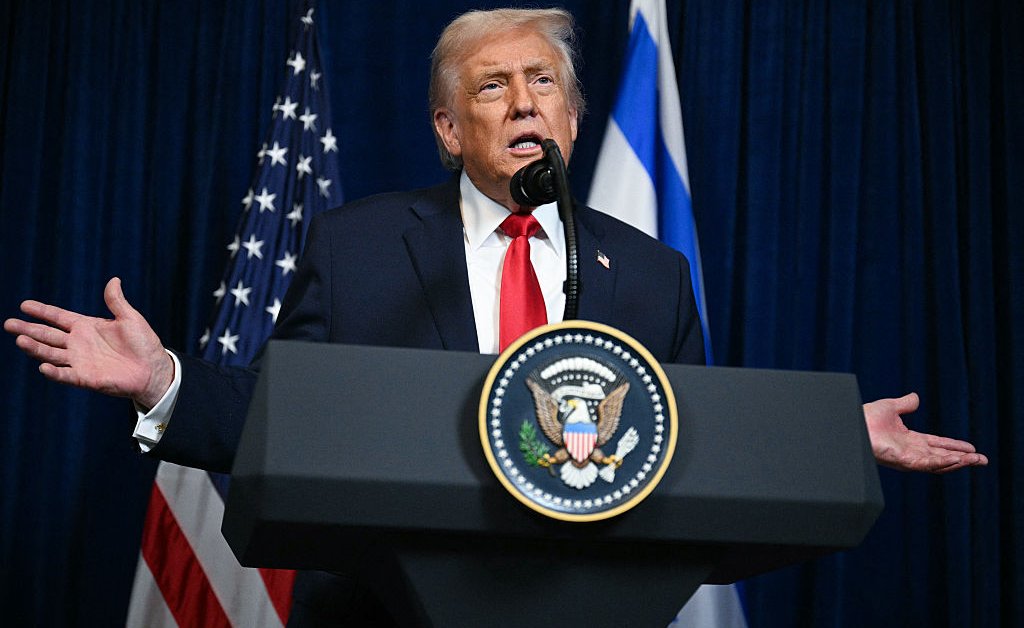
During a press briefing, Trump stated that the strike targeted a “dock area where they load the boats up with drugs.” He described the action as a necessary step in the U.S.’s ongoing struggle against drug cartels operating in the region. “We hit all the boats, and now we hit the area,” he emphasized, suggesting the attack was aimed not only at disrupting drug trafficking but also at dismantling the infrastructure supporting it.
The timing of this announcement coincided with additional reports from the U.S. Southern Command, which mentioned ongoing military operations targeting boats suspected of engaging in narco-trafficking in the Eastern Pacific. Notably, two individuals reportedly died during these separate military actions, underlining the rising stakes of U.S. military involvement in drug-related conflicts within Latin America.
The First U.S. Strike Inside Venezuela
Trump’s comments about a “major explosion” at the dock facility are noteworthy. He stated that the operation was meticulously planned to disable the logistical capabilities of drug traffickers. Reports from various news outlets have indicated that this operation was officially a CIA-led initiative targeting the Tren de Aragua, a notorious Venezuelan gang. This group has been linked to significant drug trafficking operations and has been designated a foreign terrorist organization by the Trump Administration.
What’s particularly revealing is that reports suggest no personnel were present at the facility during the strike, raising questions about the ethical implications and strategic rationale behind such targeted military actions without collateral impact assessments.
Maduro’s Response and the Broader Implications
As of now, President Nicolás Maduro has yet to publicly address the recent air and land strikes. Historically, Maduro has taken an oppositional stance toward U.S. military involvement, often framing it as overt aggression against Venezuela’s sovereignty. He has steadfastly denied any government ties to drug trafficking and condemned the U.S. as a foreign aggressor.
This military operation is part of a broader U.S. strategy aimed at increasing pressure on Maduro’s regime. Trump’s administration has ramped up military actions in the Caribbean and the Eastern Pacific, striking down numerous boats allegedly involved in drug smuggling. The controversial tactics have spurred a debate among lawmakers regarding the legal justification for these military operations.
Expanding Military Presence in the Region
The U.S. has significantly bolstered its military presence in response to these escalating tensions. Over 15,000 troops and a fleet of naval vessels, including the nation’s largest aircraft carrier, have been deployed to the Caribbean and Eastern Pacific. Trump and his administration assert that these movements are vital for combating drug trafficking, but many skeptics argue that they may also serve a more political purpose—aiming to destabilize Maduro’s hold on power.
Continued Threats and Escalation
Trump has not shied away from issuing further threats to escalate military pressure against Venezuela. In late November, he explicitly warned that “airlines, pilots, drug dealers, and human traffickers” should view the airspace above Venezuela as closed. This aggressive rhetoric has been coupled with actual military maneuvers aimed at placing severe restrictions on oil transport in and out of the country, further tightening the noose around Maduro’s regime.
Reports suggest that Trump is contemplating additional land strikes, reiterating the U.S.’s commitment to confronting alleged narco-terrorism in Venezuela. The implications of continued U.S. military actions remain profound, raising concerns about potential international backlash and the long-term consequences for Venezuelan sovereignty.
The Venezuelan Perspective
Amid these tensions, Maduro’s government has consistently portrayed itself as a victim of foreign intervention. The Venezuelan president has publicly rejected accusations of drug trafficking, positioning the U.S. accusations as attempts to undermine his government. With the assertion that Venezuela is prepared for “armed fight, if necessary,” the stage is set for a potentially volatile confrontation.
Overall, U.S. military actions in Venezuela are becoming increasingly multifaceted and controversial, intertwining issues of drug trafficking, national sovereignty, and international relations. The developments in this region continue to capture global attention, highlighting the delicate balance between law enforcement efforts and military intervention in politically charged contexts.