


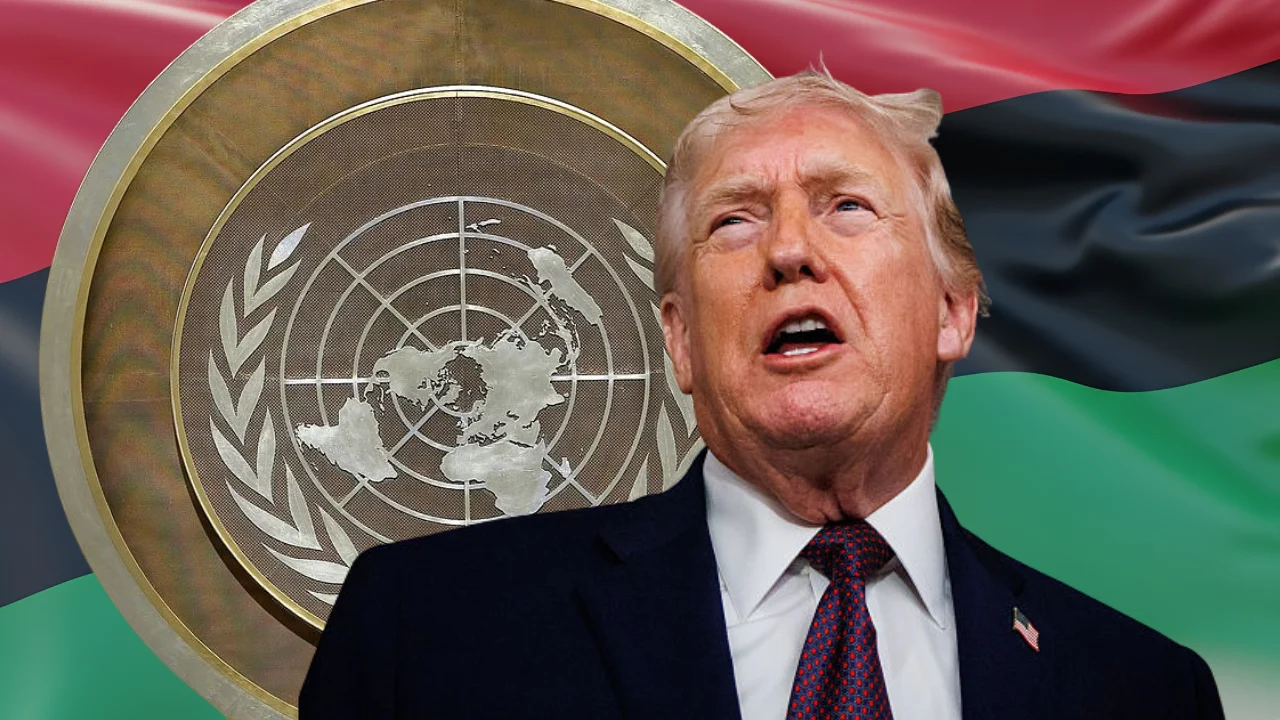
The U.S. Withdrawal from the UN Permanent Forum on People of African Descent: Implications and Reactions
While many may have missed the significance, the Trump administration’s decision to withdraw the United States from the United Nations Permanent Forum on People of African Descent raises serious concerns for advocates and international leaders. This maneuver not only aligns with President Trump’s year-long agenda against Diversity, Equity, and Inclusion (DEI) but also jeopardizes the ongoing efforts for racial and reparative justice globally.
The Withdrawal Announcement
Recently, President Trump signed an executive memorandum terminating U.S. membership in 66 international organizations, which included the UN Permanent Forum on People of African Descent. Established by the UN General Assembly in 2021, this forum has convened annually since 2022 to address the harms inflicted by global colonialism. It has aimed at developing policies that improve the lives of people of African descent, from the 40 million Black Americans to the 1.5 billion on the African continent, extending its reach across the Caribbean and South America.
A Platform for Unity
Desirée Cormier Smith, founder and co-president of the Alliance for Diplomacy and Justice, observed that the forum provided a valuable space for Black individuals globally to share their experiences and connect with one another. During her tenure as the U.S. Special Representative for Racial Equity and Justice, Cormier Smith emphasized the forum’s importance in encouraging government accountability and promoting solidarity among individuals facing racial injustices.
Voices from the Community
Bishop Joseph Tolton, a seasoned Pan-African activist, described the forum as a mechanism for cultural exchange, allowing individuals to narrate their unique stories. This storytelling not only fosters a sense of shared struggle but also galvanizes collective action toward addressing systemic injustices.
Victoria Kirby, director of Public Policy and Programs at the National Black Justice Collective, highlighted the forum’s role in documenting and collecting narratives from the Afro-diaspora. Such documentation is essential for creating a robust record, which can inform future actions from the UN and various governing bodies.
Groundwork for Reparations
In a remarkably short span, the forum has contributed significantly to discussions surrounding global reparations. It has laid a foundation for potential UN declarations on the human rights of African descendants, which could prompt reparative justice in ways akin to other populations previously recognized by global bodies.
Accusations of Anti-Blackness
Following the withdrawal, the Trump administration levied serious accusations against the forum, labeling it a promoter of “victim-based social policies” and even calling it a “racist organization.” Advocates argue that this withdrawal is not merely an administrative decision but a reflection of deeper anti-Black sentiments within the administration.
Cormier Smith clarified that while Trump’s engagement could have produced counterproductive outcomes, outright withdrawal served primarily as inflammatory rhetoric for his base. She noted that the U.S. had already distanced itself from the Human Rights Council and had previously shown a lack of support for the forum.
Global Repercussions
Bishop Tolton expressed concern that the U.S. withdrawal sends a troubling signal—potentially empowering European nations to evade their reparatory responsibilities. A case in point is Haiti, a country long suffering from the effects of colonial exploitation. The historical burdens placed upon Haiti—such as the crippling “independence debt” to France—are exacerbated by the U.S. failure to engage meaningfully with reparative justice.
The Need for Global Solidarity
Gretchen Moore, a reparations strategist, underscored the importance of affirming rights for those impacted by the legacies of slavery and colonization. She advocates for a global recognition of these histories to forge alliances that can advocate for restorative justice, independent of fluctuating U.S. political climates.
Moore suggested that while the U.S. might withdraw from these critical forums, the global fight for justice and equity will continue to advance. Emphasizing collaboration with the global diaspora, she urged a focus on sustainable solutions that transcend the limitations imposed by any single administration.
Creativity in the Face of Adversity
As discussions around reparations and racial justice continue to evolve, advocates point to the dire need for innovative ideas that inspire hope among oppressed communities. Moore calls for a collective vision that not only addresses immediate issues but also seeks long-term strategies for empowerment, echoing the necessity for an unwavering commitment to justice that withstands political tides.
The withdrawal from the UN Permanent Forum on People of African Descent is emblematic of a broader struggle against systemic injustices. As communities rally for justice and recognition, the ongoing dialogues and initiatives developed through international cooperation remain crucial for effecting real change.