


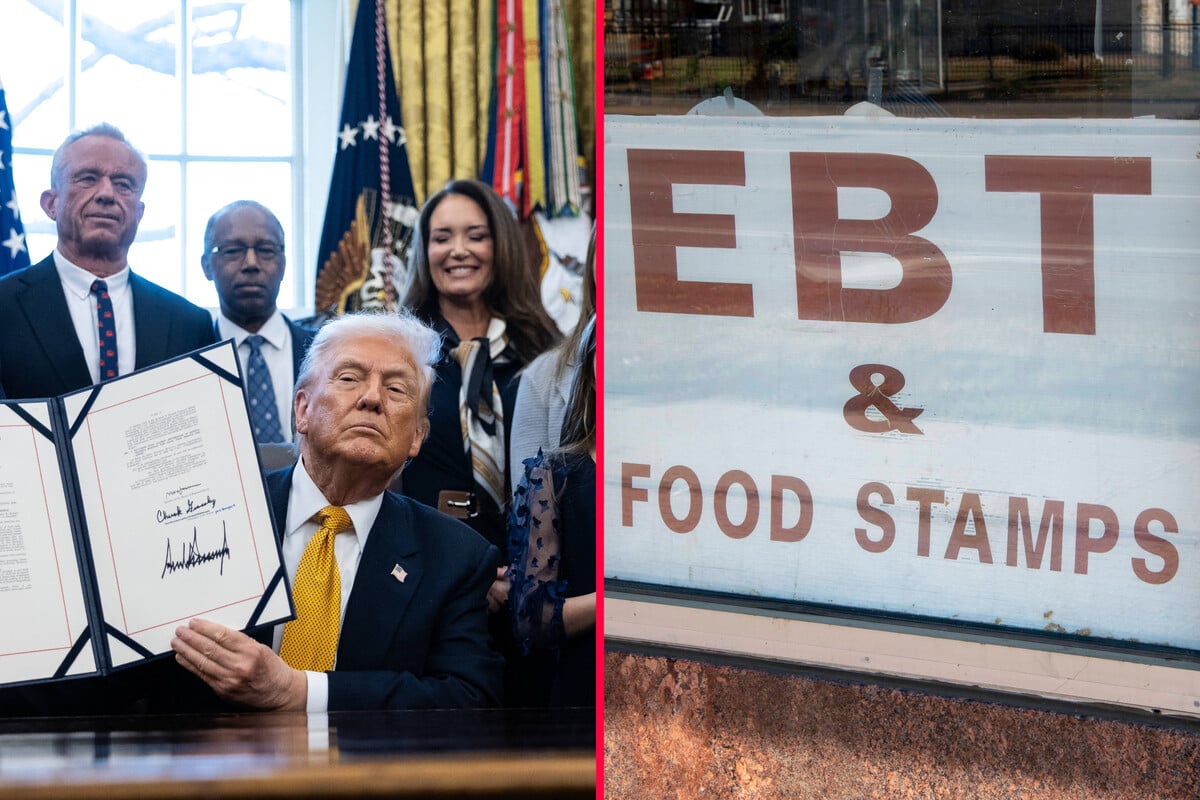
St. Paul, Minnesota – Efforts by President Donald Trump’s administration to withhold $80 million in funding for Minnesota’s food stamp program have been blocked by a federal judge.
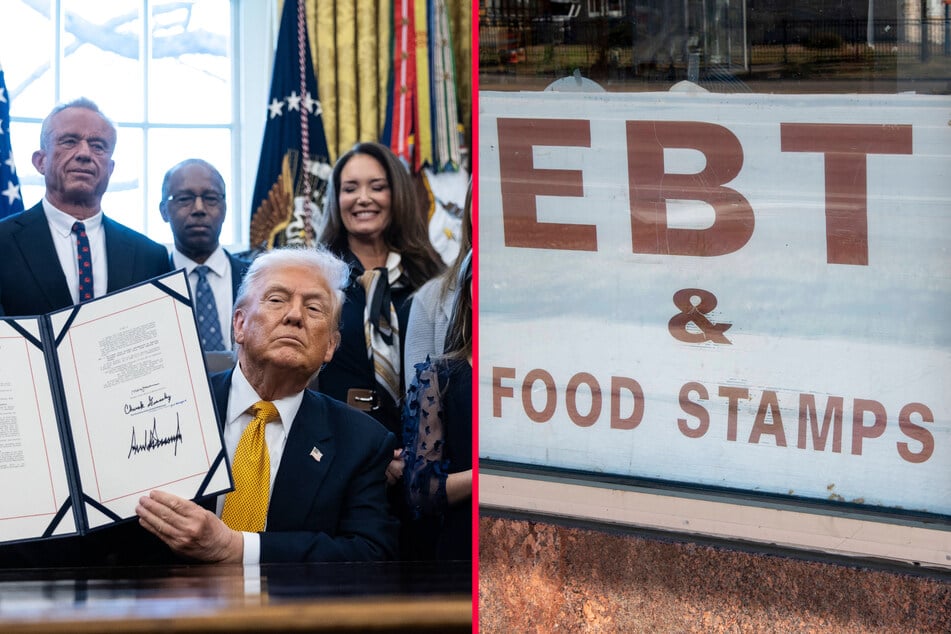
District Judge Laura Provinzino ruled in a hearing in St. Paul on Wednesday that the US Department of Agriculture’s (USDA) decision to give Minnesota only until January 15 to review its food stamp program was likely illegal.
The USDA had in mid-December given the state just 30 days to review the eligibility of approximately 100,000 households receiving Supplemental Nutrition Assistance Program (SNAP) support.
If Minnesota failed to complete the review in this limited timeframe, the USDA threatened to withhold $80 million—an amount that constituted nearly half of the program’s operational budget.
RFK Jr. declares a “good mother” doesn’t trust experts as children’s flu shot rates drop
In direct response to the USDA’s stringent demands aimed at supposedly rooting out fraudulent SNAP recipients, Minnesota filed a lawsuit against the administration, asserting that the demands overstepped legal boundaries. The lawsuit contended that the Trump administration was essentially pressuring the state government to violate established laws.
Federal law stipulates that a state may not perform more than one review of a recipient’s eligibility for SNAP assistance within a single year. Judge Provinzino upheld this provision, stating that not only was the USDA’s request unlawful, but it also failed to provide adequate justification for the urgency of the review.
In her ruling, she noted, “USDA is asking the state to violate federal law, regulations, and the state’s own operational plan.” The implications of this ruling are significant; it ensures that funding for Minnesota’s SNAP program will continue uninterrupted, at least while legal proceedings are underway.
In the aftermath of the ruling, senior White House advisor Stephen Miller criticized the judiciary, labeling Provinzino’s decision as an example of “more judicial tyranny.”
“Minnesota has refused to provide the federal government with the names, social security numbers, or identifying information of food stamps recipients – they just send a monthly bill,” he wrote.