


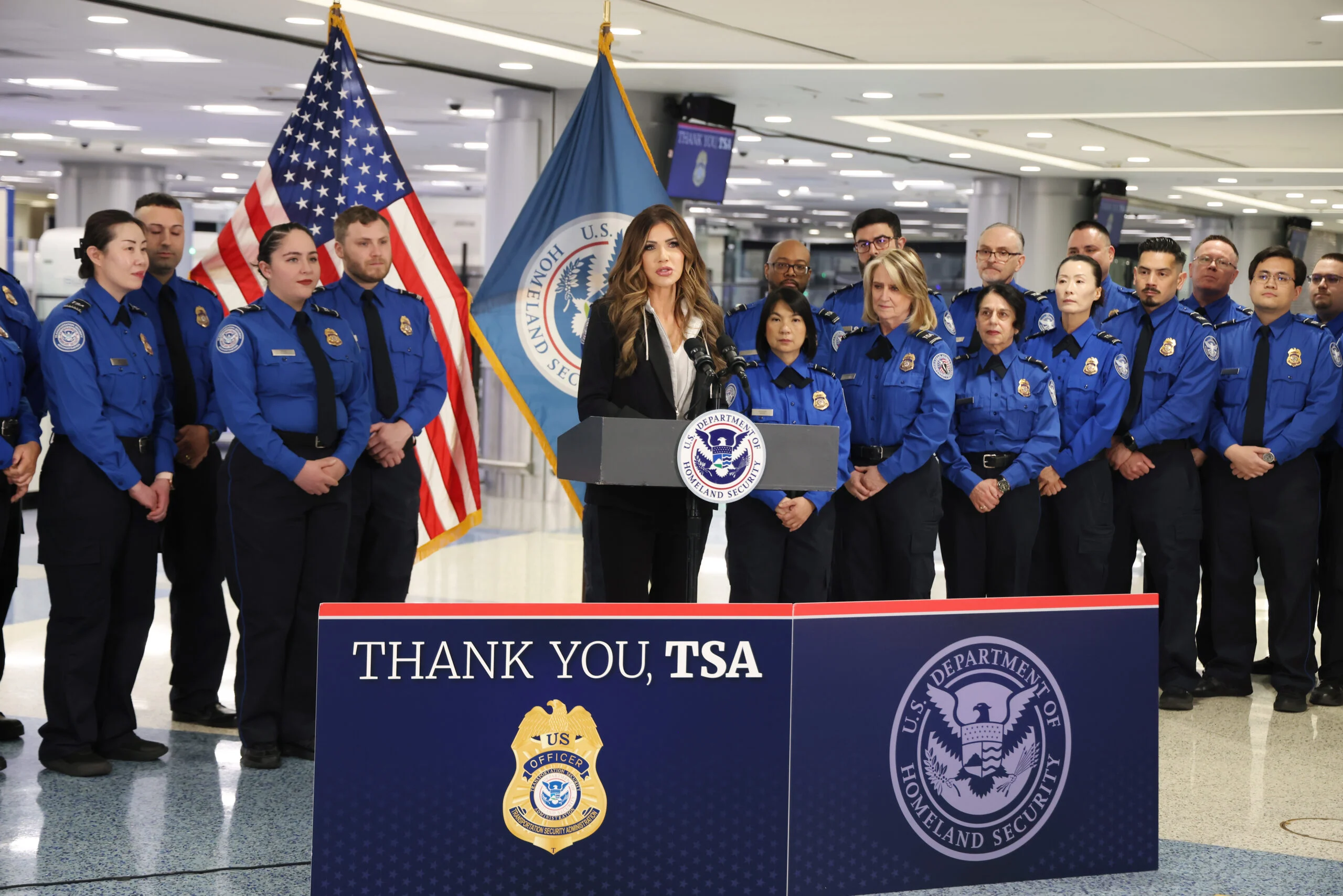
TSA’s Renewed Push Against Collective Bargaining for Airport Screeners
The Transportation Security Administration (TSA) is once again seeking to terminate its collective bargaining agreement with airport screening officers, ignited by Homeland Security Secretary Kristi Noem’s recent directive. This marks the second major attempt this year, following a tumultuous period characterized by the longest government shutdown in U.S. history.
The Context of the Decision
On a recent Friday, the TSA announced its intention to abandon the existing seven-year contract with screeners, citing a memo from Secretary Noem. This memo, issued in September, underscores the agency’s stance that TSA screeners have a “primary function of national security” and, as such, should not engage in collective bargaining or union representation. The agency’s reliance on this directive raises crucial questions about the rights and protections of these essential workers.
Legal Backdrop and Controversy
The American Federation of Government Employees (AFGE), which represents around 800,000 federal employees, swiftly condemned the TSA’s move as illegal. The union asserts that this action violates a preliminary injunction issued in June, which halted Noem’s earlier attempt to dismantle the contract for 47,000 airport screeners. The injunction aimed to safeguard the rights and benefits long enjoyed by TSA workers under union representation.
Noem’s subsequent memo acknowledges the injunction but omits a clear explanation of how her new directive complies with it. While it barred the TSA from rescinding the current contract or dismissing pending grievances, it left open questions regarding the potential impact on future directives issued by Noem.
Union Response and Worker Sentiment
The union’s leadership, specifically Johnny Jones, secretary-treasurer of the TSA workers’ bargaining unit, expressed outrage over the tactics employed to circumvent established worker protections. He described the TSA’s approach as exploiting loopholes to undermine collective bargaining rights. This sentiment is echoed by many TSA officers, particularly given that the agency’s latest announcement comes just weeks after Noem awarded $10,000 bonuses to officers who continued working throughout the government shutdown, despite their financial struggles.
Jones remarked, “This is how they’re going to be repaid for coming to work every single day during the government shutdown?” highlighting the discontent among workers who feel undervalued and exploited.
TSA’s Justification for the Changes
In official statements, TSA officials, including acting Deputy Administrator Adam Stahl, assert that the restructuring is necessary to eliminate distractions and refocus staff on their critical mission of ensuring passenger safety. The agency aims to replace the previous contract with a new framework that prioritizes security over administrative processes.
While Noem’s leadership seeks to streamline operations, the implications for employee morale and job security are concerning. Critics argue that this move compromises not only worker rights but also organizational trust.
Historical Context and Future Implications
Historically, the AFGE has been a formidable opponent to administrative maneuvers aimed at diminishing federal worker protections. The union contends that Noem’s attempts to revoke collective bargaining rights represent a retaliation rooted in broader political agendas, especially reflecting the opposition to actions taken during the Trump administration.
As the legal battle unfolds, with a trial scheduled for next year, the stakes couldn’t be higher for TSA workers. U.S. District Judge Marsha Pechman, who issued the preliminary injunction, characterized Noem’s actions as potentially “arbitrary and capricious,” indicating a strong likelihood that the union could prevail in court.
Broader Implications for Federal Employees
This situation catalyzes a larger conversation about the rights of federal workers in the face of administrative shifts. The landscape for collective bargaining rights has been evolving, and outcomes in this case could set important precedents for similar efforts across federal agencies.
With federal employee unions increasingly standing up against what they perceive as threats to job security and bargaining rights, the ongoing situation at TSA serves as a microcosm of a broader struggle within the federal workforce.
As the TSA navigates this contentious terrain, the unfolding saga not only affects the lives of thousands of workers but also illuminates critical questions about labor rights, worker representation, and the future of federal employment in America.