


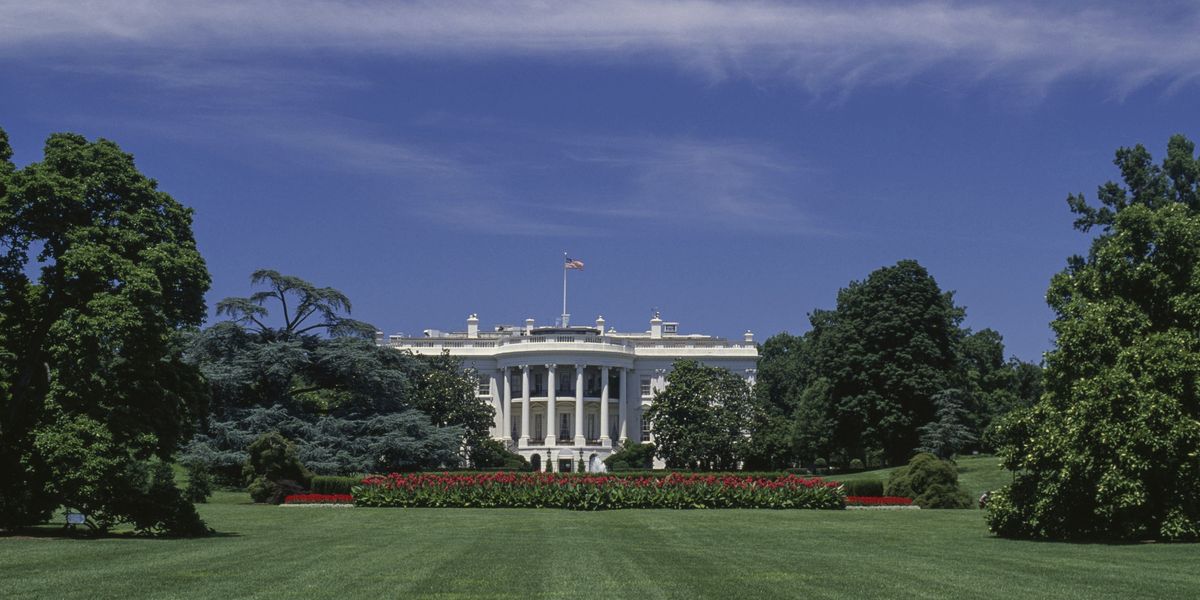
The Legacy of Presidential Scandals in America
During the 250 years of America’s existence, presidential scandals have repeatedly shocked and dismayed the public. These scandals often erode faith and trust not only among citizens but also among allied nations worldwide. The implications of such breaches in conduct are long-lasting, frequently taking decades to restore the public’s faith in its leaders. Below, we explore some of the most prominent scandals in U.S. presidential history and reflect on how “We the People” can revive the foundational ideals established by the Constitution.
Warren G. Harding’s Oil Scandal
One of the earliest significant presidential scandals can be traced back to the Harding administration in the early 1920s. The Teapot Dome scandal encapsulated a web of corruption involving Albert Fall, Harding’s Secretary of the Interior. Fall accepted bribes, gifts, and no-interest loans in exchange for control over oil reserves located on federal land, notably in Wyoming. The scandal tarnished Harding’s legacy, compounded by reports of his extramarital affair with Nan Britton. Many historians regard Harding’s presidency as one of the worst in American history due to these incidents.
Richard Nixon’s Watergate Scandal
Fast forward to 1972, when President Richard Nixon was embroiled in one of the most infamous political scandals of all time. The break-in at the Watergate Hotel, where the Democratic National Committee was headquartered, was orchestrated by members of Nixon’s campaign team. What followed was a relentless cover-up that ultimately led to Nixon’s resignation on August 8, 1974. Nixon’s decision to resign was a watershed moment, as his loyal advisors urged him to step down to avoid inevitable impeachment.
Ronald Reagan’s Iran-Contra Affair
During Ronald Reagan’s presidency (1981–1989), another scandal arose in the form of the Iran-Contra affair. Between 1985 and 1987, Reagan secretly arranged the sale of weapons to Iran, which was then under an arms embargo, with the hopes of securing the release of seven American hostages. Although Reagan maintained that the weapon sales had no strings attached, the events unfolded into a political minefield, raising significant ethical questions about presidential authority and foreign relations.
Bill Clinton’s Affair
In the late 1990s, President Bill Clinton faced the heat of his own scandal, famously declaring, “I did not have sexual relations with that woman,” referring to intern Monica Lewinsky. The emergence of evidence, including a blue dress, led to impeachment proceedings against him in 1998. Ultimately, the Senate acquitted Clinton, but the scandal irreversibly altered public perceptions of the presidency and the standards expected from its occupants.
Donald Trump’s First Impeachment
Fast forward to the 21st century, specifically 2019, when Donald Trump faced impeachment after a phone call with Ukrainian President Volodymr Zelensky. In that call, Trump allegedly solicited foreign interference in the upcoming election by urging the investigation of his political rival, Joe Biden, and his son, Hunter Biden. This prompted a formal inquiry and led to impeachment articles being presented. Trump was acquitted by the Senate, but the incident sparked intense partisan divisions.
Donald Trump’s Second Impeachment
Just a year later, in January 2021, Trump was impeached again for “incitement of insurrection” following the January 6 Capitol riots. These disturbances were fueled by false claims about the 2020 election, leading to chaos and violence in the heart of American democracy. This unprecedented second impeachment underscored the volatile political climate and heralded serious discussions about accountability and the limits of presidential powers.
Donald Trump’s Criminal Conviction
In a historical first, Donald Trump was convicted on May 29, 2024, on 34 counts of fraud linked to hush money payments made to adult film actress Stormy Daniels. This conviction marked a significant shift in how the legal system interacts with political figures, raising questions about ethics, accountability, and the rule of law in the highest offices of the land.
The Jeffrey Epstein Cover-Up
During the 2024 election cycle, Trump made a controversial promise to release files related to the sex-trafficking case against Jeffrey Epstein. However, his administration delayed fulfilling this pledge, which led to bipartisan pressure and accusations of a cover-up. The eventual release was criticized for its inadequacy, highlighting a failure in transparency that many felt further eroded public trust in government institutions.
Lessons to Be Learned
A closer examination of these scandals reveals a recurring theme of bribes, cover-ups, and breaches of trust that have plagued America over its 250 years of presidential history. The demands for accountability echo through time, calling for an honorable and law-abiding president, competent cabinet members, and congressional representatives truly loyal to the Constitution.
A Call to Action
In this era of grinding scandals, the words of Abraham Lincoln resound: we must “disenthrall ourselves” and remodel our politics. It is imperative for “We the People” to engage in rebuilding institutions, demanding thorough investigations, and establishing laws that will deter future misconduct. The responsibility rests squarely on our shoulders to ensure that the legacies of Harding, Nixon, Reagan, Clinton, and Trump do not repeat themselves, thus restoring faith in the democratic process and governance.