


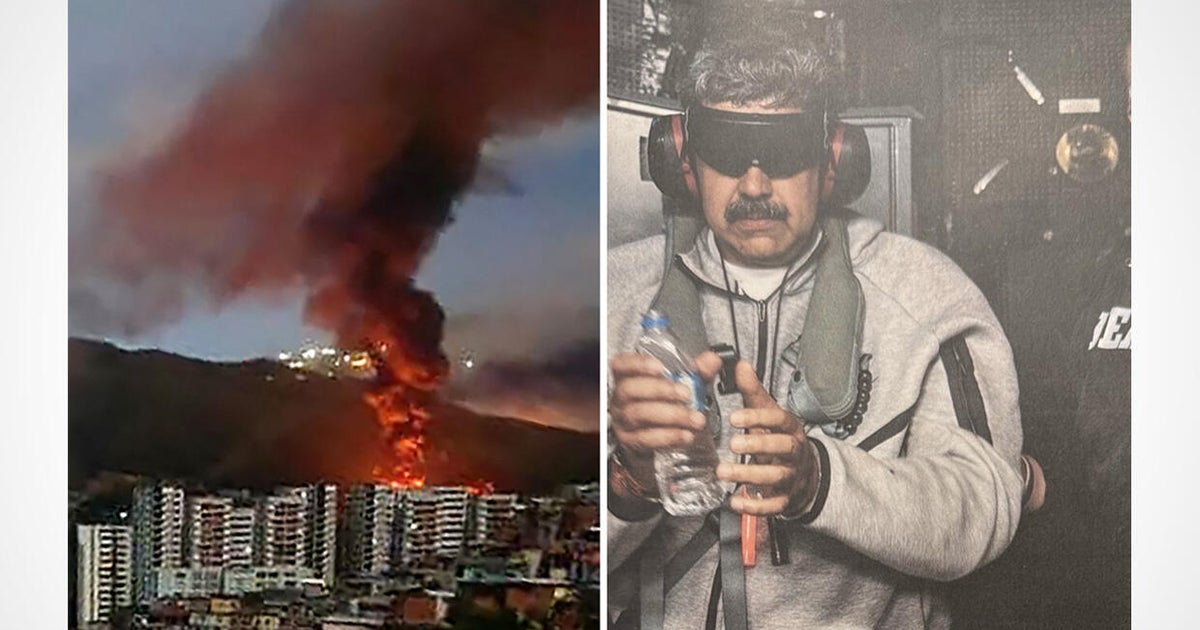
U.S. Strikes in Venezuela: A Controversial Decision and its Implications
Recent military actions taken by the Trump administration in Venezuela have stirred significant discussion and debate among congressional leaders and political analysts alike. Following the unexpected strikes, the administration informed key congressional figureheads only after the operation commenced, raising questions about the appropriateness of such a move.
Notification of Congressional Leaders
According to sources within Congress, the notification regarding the military strikes in Venezuela was shared only with “the gang of eight,” a group consisting of House and Senate leaders along with the chairs and ranking members of the intelligence committees. This approach has sparked controversy, especially given the gravity of the operation. The lack of prior notification has prompted concerns about transparency and the relationship between the executive and legislative branches of government.
Insights from Senate Intelligence Committee Chairman
GOP Senator Tom Cotton of Arkansas, who chairs the Senate Select Intelligence Committee, confirmed that he was not informed ahead of the strikes. Cotton argued that the operation, particularly the arrest of Nicolás Maduro, should be viewed more as a law enforcement action rather than an act of war. “Congress isn’t notified when the FBI is going to arrest a drug trafficker or a cyber criminal here in the United States,” he stated in an interview with Fox News. This perspective suggests that the executive branch retains considerable authority to act without legislative oversight, especially when handling issues tied to national security.
The Law Enforcement Perspective
Cotton’s framing of the situation emphasizes that the FBI’s involvement in the operation underscores its law enforcement character. “Nor should Congress be notified when the executive branch is executing arrests on indicted persons X,” he explained, reiterating that the mechanics of arrest should not require congressional involvement. His argument supports the notion that swift actions against internationally indicted criminals may necessitate a degree of operational secrecy, thus allowing for effective law enforcement.
Concerns from Democratic Leadership
In stark contrast, Democratic Senator Mark Warner of Virginia, vice chairman of the Senate Select Intelligence Committee, voiced strong reservations about the implications of using military force for regime change. Warner characterized Maduro as a “corrupt authoritarian who has repressed his people” but emphasized the constitutional responsibility that Congress holds regarding the use of military force. “Using military force to enact regime change demands the closest scrutiny,” he stated, highlighting the long-lasting consequences that such actions can provoke.
Forward-Looking Implications
Warner raised critical concerns about the potential ripple effects of the U.S. action in Venezuela. He questioned the precedent set by the operation, contemplating how it could empower other nations with authoritarian tendencies to justify similar uses of force. “If the United States asserts the right to use military force to invade and capture foreign leaders it accuses of criminal conduct, what prevents China from claiming the same authority over Taiwan’s leadership?” he posited. His comments underscore the delicate balance of power on the world stage and the potential for escalating conflicts resulting from such unilateral military actions.
A Divided Perspective
The contrasting viewpoints of Senators Cotton and Warner illustrate the broader debate surrounding the use of military force and the intricacies of governmental protocol in national security matters. While Cotton’s focus rests on law enforcement efficiency, Warner’s concerns highlight the necessity for robust checks and balances. This division encapsulates the ongoing struggle to reconcile executive power with congressional oversight in a complex geopolitical landscape.
Implications for Future Actions
As U.S. military operations continue to unfold, the implications of this strike will likely resonate well beyond Venezuela. The dialogue generated by this event emphasizes the importance of clear communication between the executive and legislative branches and the necessity of safeguarding democratic processes in the face of national security challenges. By exploring these themes, policymakers might better navigate the tension between swift action and the ideals of accountability, ultimately shaping the future of U.S. foreign interventions.
Contributions to this article were made by Natalie McCormick.