


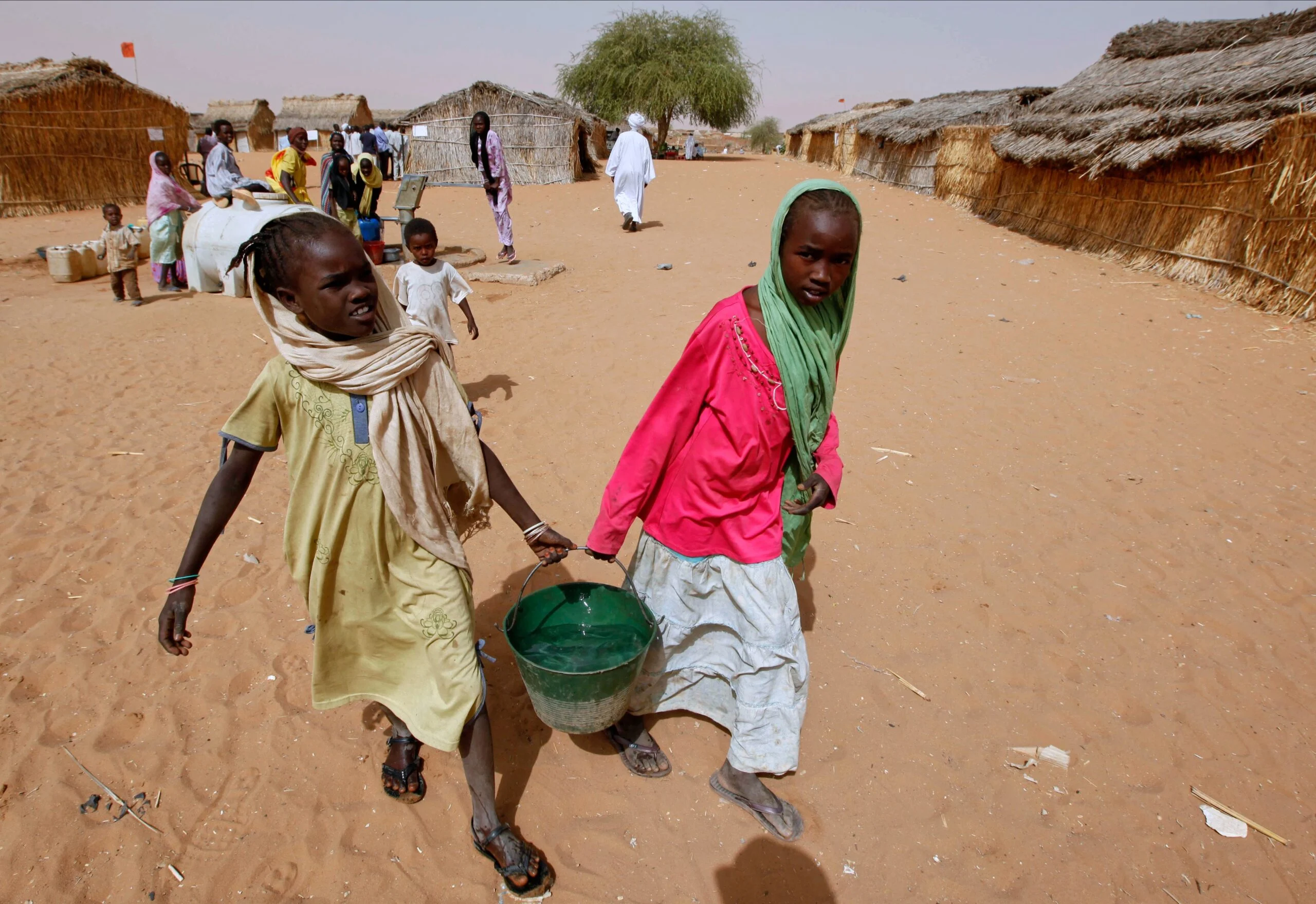
**Civilians in Peril: The Devastation at Zamzam Camp**
In April 2023, the tranquility that lingered over Zamzam camp—a sprawling refuge for over 500,000 displaced individuals—was shattered in an unthinkable manner. The U.N. Human Rights Office’s recent report paints a harrowing picture of a three-day attack by the Rapid Support Forces (RSF), a paramilitary group embroiled in Sudan’s ongoing conflict. The brutal assault led to the deaths of more than 1,000 civilians, a staggering loss underscoring the dire humanitarian situation in the region.
The RSF stormed Zamzam camp as part of its siege on el-Fasher, the provincial capital of North Darfur. This was not merely a tactical military operation; it was a calculated act of aggression against a vulnerable population, escalating an already desperate crisis. According to the report, horrific acts of violence ensued, including house-to-house executions, assaults in local markets, and attacks on schools and health facilities. Such brutality is part of what the U.N. describes as a disturbing pattern of serious violations of international humanitarian law.
**The Unfolding Horror: Evidence of War Crimes**
Details from the U.N. report are chilling. Many victims didn’t just die; they suffered unimaginable indignities—ranging from summary executions to severe sexual violence. Reports of rape, gang rape, and sexual slavery shocked the conscience. These systematic violations reflect broader trends that organizations like Amnesty International have flagged as war crimes, further complicating the already volatile landscape of Sudanese politics and society.
Zamzam camp, established in 2004 to accommodate those displaced by earlier attacks from the infamous Janjaweed militia, has become synonymous with the ongoing trials faced by countless Sudanese families. Its strategic location, just south of el-Fasher, once offered a sanctuary, though now it stands as a grim symbol of the humanitarian crisis engulfing the nation. Prior to the attack, the RSF had already been blocking essential supplies to the camp for months—a cruel prelude to the assault.
**A Humanitarian Crisis Like No Other**
The larger context of this conflict is equally alarming. Since the RSF and the Sudanese military began their war in April 2023, estimates suggest that upwards of 40,000 people have lost their lives, with many rights groups arguing that the actual number may be much higher. The conflict has resulted in a humanitarian disaster of unprecedented scale—over 14 million people now find themselves displaced, with many areas experiencing dire famine conditions. This bleak reality hangs over the Zamzam camp, where food and basic necessities are desperately scarce.
U.N. High Commissioner for Human Rights Volker Türk articulated the urgent need for international action, condemning the patterns of violence that have emerged and are now replicating in other areas such as el-Fasher. His statements resonate not just as a call for action but as a stark reminder of the urgent need for accountability and reparations for the victims of these atrocities.
**Political Maneuvering Amidst Chaos**
As the situation in Sudan deteriorates, efforts to mediate the conflict are ongoing but fraught with complications. Just last Thursday, Sudan’s top general met with Egyptian President Abdel-Fattah el-Sissi in Cairo as part of an international push to resolve the ongoing war. This meeting followed talks with Saudi officials, while U.S. envoy Massad Boulos was concurrently engaged in discussions in Riyadh regarding humanitarian efforts.
The complexities of these negotiations are underscored by the general’s prior rejection of a ceasefire proposal, which he deemed unacceptable. The entangled interests of regional powers add layers of difficulty to achieving a sustainable peace. Statements from the Egyptian presidency illustrated the balance of concern for Sudan’s territorial integrity, warning against the rise of parallel governance structures, like the RSF’s newly formed Tasis Alliance, which complicates the political landscape further.
**The Ground Realities: A People Under Siege**
As fighting shifts to the south, particularly the oil-rich Kordofan states, the battles remain relentless. Recent reports indicate artillery shelling in besieged towns like Dilling, with casualties rising rapidly. The Sudan Doctors’ Network, a group comprised of medical professionals monitoring the humanitarian fallout, pointed fingers at the RSF for these assaults. Their call for an end to the violence echoes a desperate plea for adherence to international law, emphasizing the need for urgent intervention as the local populace faces risks of famine in war-torn regions.