


Analyzing President Trump’s Controversial Remarks on Black Americans
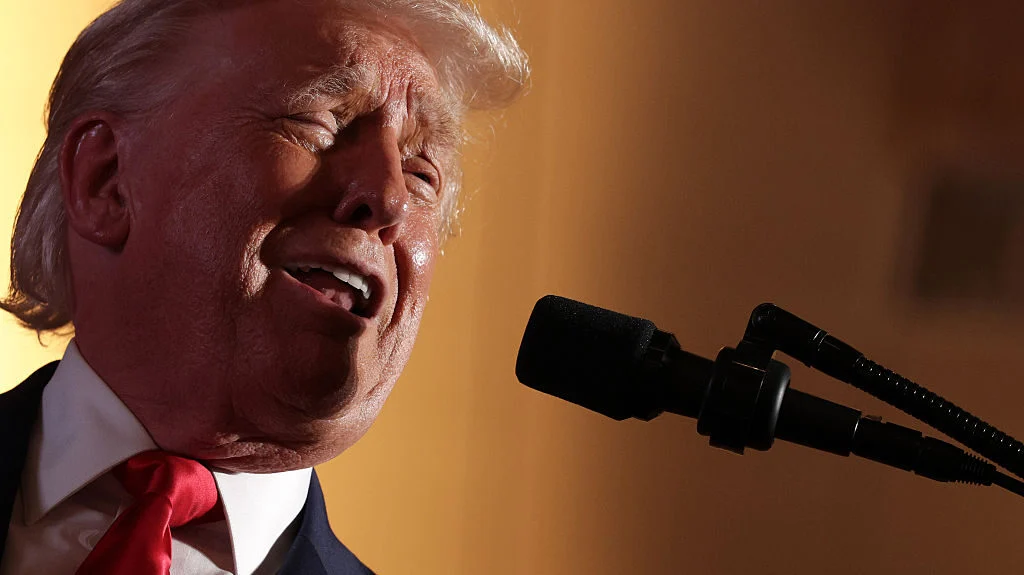
Recent comments by President Donald Trump regarding Black Americans and his views on “scams” have sparked a resurgence of debate online, drawing swift rebuke from critics. During a rally, Trump suggested that his relationship with Black Americans is uniquely strong, stating, “I got the biggest vote with Black people. They know a scam better than anybody. They know…what it is to be scammed.” This remark, particularly in the context of his derogatory comments about Congresswoman Ilhan Omar and Somali immigrants being “garbage,” raised eyebrows and ignited discussions around racial attitudes and political strategies.
Trump’s Support Among Black Americans
While it’s true that Trump’s support among Black Americans increased marginally—from 8% in 2020 to 15% in the 2024 election—his assertion needs clarification. Despite the uptick, a staggering 85% of Black voters still chose his opponent, former Vice President Kamala Harris. Notably, the majority of this modest increase came from Black men, while Black women overwhelmingly rallied behind Harris, underscoring a significant divide in voter demographics.
Historically, the Republican Party has seen fluctuating support from Black voters. Before the 1960s, the GOP garnered between 30% to 70% of the Black vote, owing largely to its role in abolishing slavery. However, after Barry Goldwater’s opposition to significant civil rights legislation in the 1960s, Republican support among Black voters drastically diminished.
The Immigration Narrative
In a controversial twist, Trump leveraged his perceived connection with Black Americans to justify his racially charged rhetoric about immigrants. By labeling Somali immigrants and even members of Congress as “garbage,” he attempts to create an in-group identity while disparaging those outside it. His remarks about immigrants taking “Black jobs” are particularly concerning, implying a competition between Black Americans and immigrant communities that many argue exacerbates existing tensions.
Critics argue that this strategy aims to politically wedge Black voters away from immigrant communities, creating an “us versus them” dynamic that simplifies complex socio-economic issues. The message seems to suggest that the challenges faced by Black Americans are directly tied to immigration, perpetuating harmful stereotypes and misunderstandings.
The Economic Reality for Black Americans
Interestingly, Trump made these remarks during a rally intended to discuss economic issues. However, the economic realities for Black Americans under his administration tell a different story. The Black unemployment rate has surged to 7.5%, nearly double the national average and the highest it has been since the COVID-19 pandemic. This rise occurs despite claims of economic growth, casting doubt on any assertions of success in his economic policies for underserved communities.
Research from various think tanks indicates that economic policies under Trump have adversely affected Black Americans. Tariffs on foreign trade have impacted Black-owned businesses disproportionately, given their higher rates of job creation within the community. Moreover, cuts to healthcare funding, including reductions in subsidies for programs like Medicaid and SNAP, have left many vulnerable families in a precarious position, relying on these supports for stability.
The Impact of Rhetoric on Community Relations
The ongoing debate surrounding Trump’s commentary and policies highlights a broader societal issue: the impact of political rhetoric on community relations. Congresswoman Summer Lee aptly noted, “We’ve lost the plot. We’ve lost democracy.” This statement captures the sentiment that the political class often prioritizes power over the well-being of vulnerable communities, particularly Black and Brown families.
Trump’s remarks, while perhaps intended to woo voters, reflect a deeper, troubling trend in American politics—using divisive language and scapegoating as means of political gain. Such strategies not only alienate immigrant communities but also detract from addressing the systemic issues that affect all communities of color.
This complex interplay of political tactics, historical context, and economic reality paints a vivid picture of the current landscape for Black Americans in the face of a divisive political environment.