



CNA Staff, Dec 7, 2025 / 07:00 am
The Black and Indian Mission Office in Washington, D.C., has recently unveiled two poignant documentaries that shed light on the rich but often overlooked histories of African American and Native American Catholics. These films are not merely educational tools; they serve as heartfelt narratives that connect faith with culture, offering an authentic glimpse into the lives of these communities.
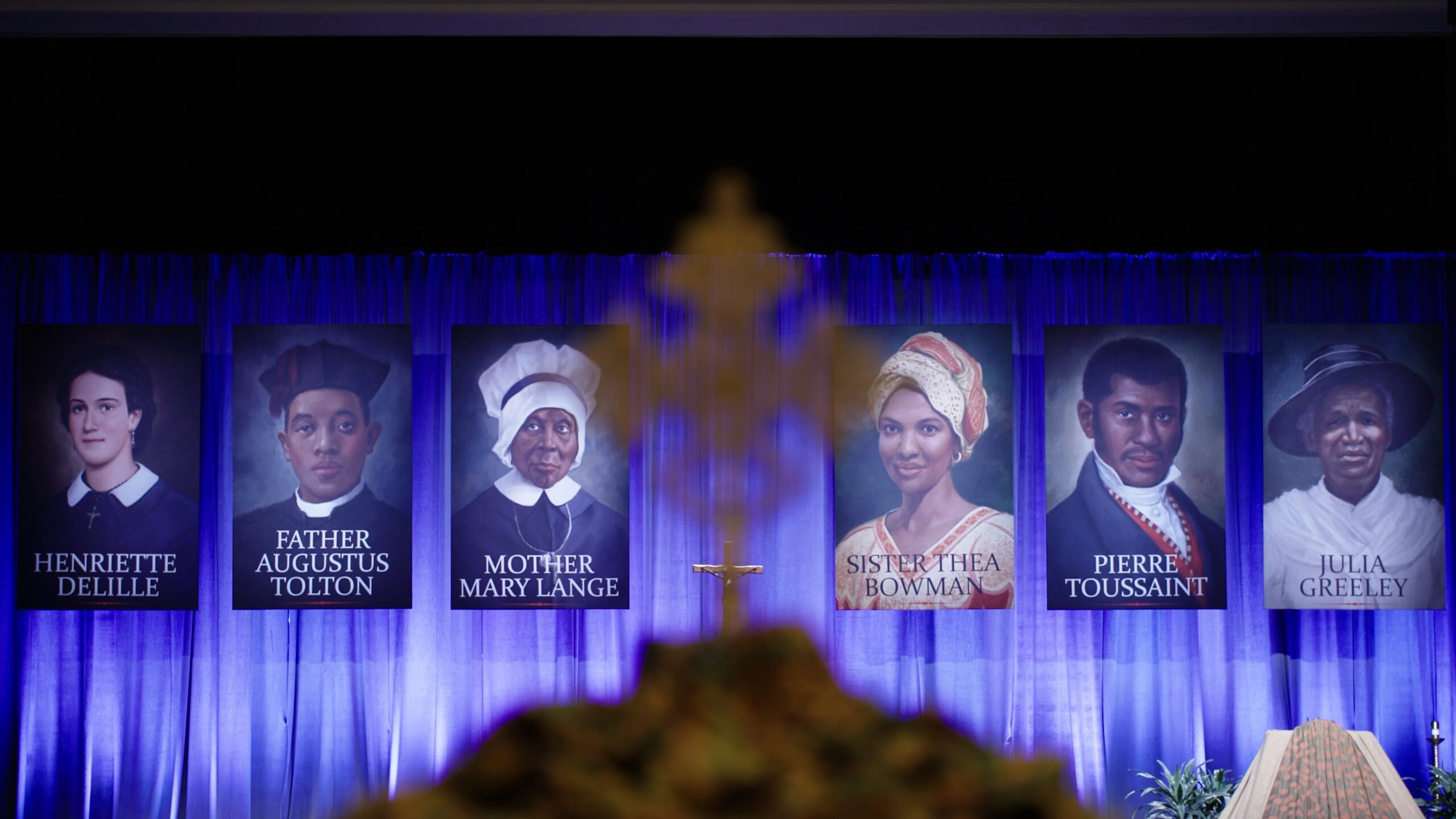
One of the documentaries, titled “*Trailblazers of Faith: The Legacy of African American Catholics*,” delves into how African Americans have forged a profound connection with Catholicism over the years. It underscores that faith does not necessitate a departure from cultural identity. Through the inspiring stories of individuals such as the Oblate Sisters of Providence, Venerable Henriette DeLille, Julia Greeley, Father Augustus Tolton, and Sister Thea Bowman, viewers will witness a beautiful tapestry woven from both leadership and devotion.
The second film, “*Walking the Sacred Path: The Story of the Black and Indian Mission Office*,” uncovers the often-hidden narratives of Native American Catholics. This documentary reveals how Catholicism has intertwined with Native traditions, exemplifying a unique confluence of spirituality and cultural heritage. It celebrates more than 140 years of the Black and Indian Mission Office’s commitment to walking alongside Native American communities, showcasing their resilience and faith in the face of historical challenges.
Father Maurice Henry Sands, the executive director of the Black and Indian Mission Office, expressed the intention behind these documentaries as an educational venture. He remarked, “We hope to educate people about these two groups of people that a lot of people don’t know much about,” emphasizing the need to highlight the office’s efforts in supporting these communities. Since its establishment at the Third Plenary Council of Baltimore in 1884, the Black and Indian Mission Collection has been pivotal in funding missionary activities and building a sense of community among African American and Native American Catholics.
The U.S. bishops recognized a critical need to support missionary efforts targeting these communities. The collection allows for grants to support schools, parishes, and various services aimed at enriching the lives of Native American, Alaska Native, and Black Catholic communities. Sands highlighted the importance of collaborative efforts among Catholics to foster inclusivity and compassion, stating, “We are all part of the human race that the Lord directs his work of salvation towards.”
Moreover, Sands pointed to the societal barriers and racism that have historically affected both groups. He asserted the fundamental call of all Christians to dismantle these barriers, encouraging a journey towards unity and understanding. “As human beings, we do put up walls and barriers,” he noted, adding that the call to love one another is integral to living out the teachings of Christ.
In discussing the documentary focusing on African American Catholics on their journey toward sainthood, Sands emphasized the role of inspiring figures within these narratives. The six individuals featured faced considerable challenges but emerged as beacons of faith and compassion, demonstrating how love can transcend adversity. “Each of them had very challenging beginnings,” he explained, “but went on to be great lovers of Our Lord and were a great witness to others.”
Sands also acknowledged the contributions of early Church missionaries to Native Americans, portraying them as role models who exemplified the call to meet individuals in their cultural context, facilitating their discovery of Christ. “It’s crucial to help people where they are,” he articulated, tying the narratives of charity and community engagement together.
Both documentaries aim not only to inform but also to inspire action. Sands hopes viewers will feel a deepened sense of responsibility to support these communities, motivating them to engage with the work of the Black and Indian Mission Office. Both films are available for viewing on Formed, providing an accessible means for audiences to explore these vital narratives.

Francesca is a staff reporter for Catholic News Agency. She received her degree in Communications with an emphasis in Digital Media from the University of Colorado – Denver. She is also in charge of the social media for Catholic News Agency.