


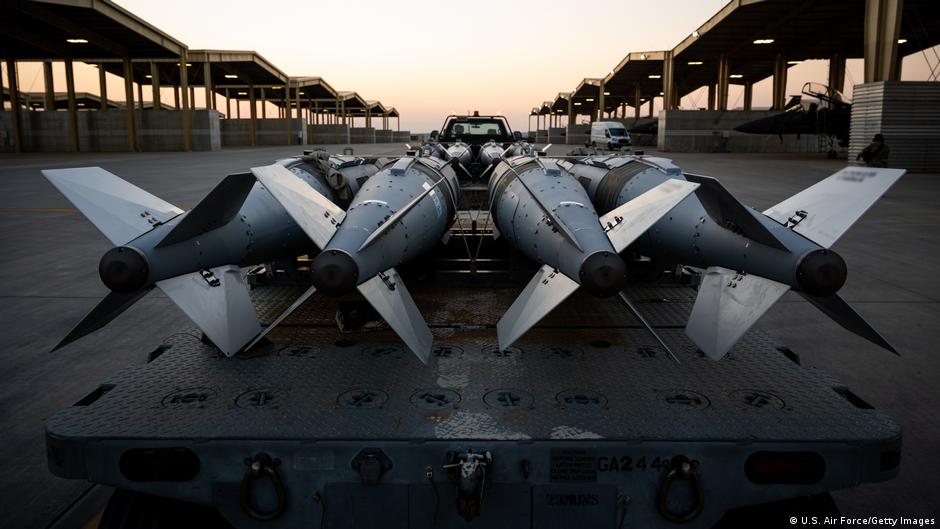
U.S. Airstrikes Target Islamic State Positions in Syria
On a recent Saturday, the United States, alongside its allied forces, undertook military action against several positions held by the Islamic State (IS) in Syria. This strategic decision was announced by the U.S. military, marking another chapter in the ongoing conflict against this militant group that has continued to pose a significant threat in the region.
Context of the Strikes
The airstrikes were a direct response to a harrowing attack that occurred in late December, during which two U.S. soldiers and a civilian interpreter tragically lost their lives. This ambush, believed to have been orchestrated by IS forces near Palmyra, also left three others wounded. The grief from this incident galvanized U.S. military leadership into action, heralding the commencement of what was dubbed Operation Hawkeye Strike.
Timing and Specifics of the Operations
U.S. Central Command (CENTCOM) confirmed that the airstrikes were executed at 1730 GMT. Although multiple IS positions were targeted, CENTCOM refrained from providing specific details about the operation’s outcomes or potential casualties. Such information is often withheld, presumably to protect ongoing operations and the safety of U.S. personnel in the region.
Retaliatory Actions
The airstrikes on this particular Saturday were not isolated; they followed another large-scale offensive on December 19 that targeted approximately 70 IS positions across central Syria. These actions underscore a sustained commitment from the U.S. to dismantle IS capabilities following attacks on American soldiers and their allies. CENTCOM conveyed a strong message through these operations: the U.S. will relentlessly pursue those who threaten its forces, asserting that retaliation would happen “anywhere in the world” if necessary.
U.S. Presence and Strategy in Syria
The U.S. military’s involvement in Syria has persisted for several years. Initially focused on working with Kurdish forces in the northern part of the country, the scope of U.S. operations has evolved. Recent developments have seen the U.S. strengthen its ties with the government under President Ahmed al-Sharaa, shifting the dynamics of its engagement in the region. This adaptability is crucial, considering the complex geopolitical landscape in Syria, which is further complicated by the ongoing civil war and the myriad factions vying for power.
Implications for Future Operations
The military’s proactive stance against IS demonstrates a broader commitment to security in the region. With the group still operational, albeit weakened compared to its peak, U.S. forces remain vigilant. This ongoing presence is not merely about direct engagement with IS but involves a comprehensive approach, including intelligence sharing and cooperation with local forces to stabilize the region.
As U.S. operations continue, the focus remains on countering terrorism while navigating the nuances of Middle Eastern politics. Events such as the recent strikes serve as stark reminders of the risks faced by U.S. personnel and the complexities inherent in counter-insurgency efforts.
With the backdrop of ambushes and retaliatory strikes, the narrative in Syria is far from simple, reflecting a continually evolving struggle against extremism and the quest for stability in a fractured landscape.