


U.S. Airstrikes Against ISIS in Nigeria: A Deep Dive
On December 25, 2025, amidst increasing tensions regarding terrorism in Nigeria, U.S. President Donald Trump announced a significant military operation targeting the Islamic State (ISIS) in the country. This article explores the context, reactions, and implications of this military strike.
The Announcement
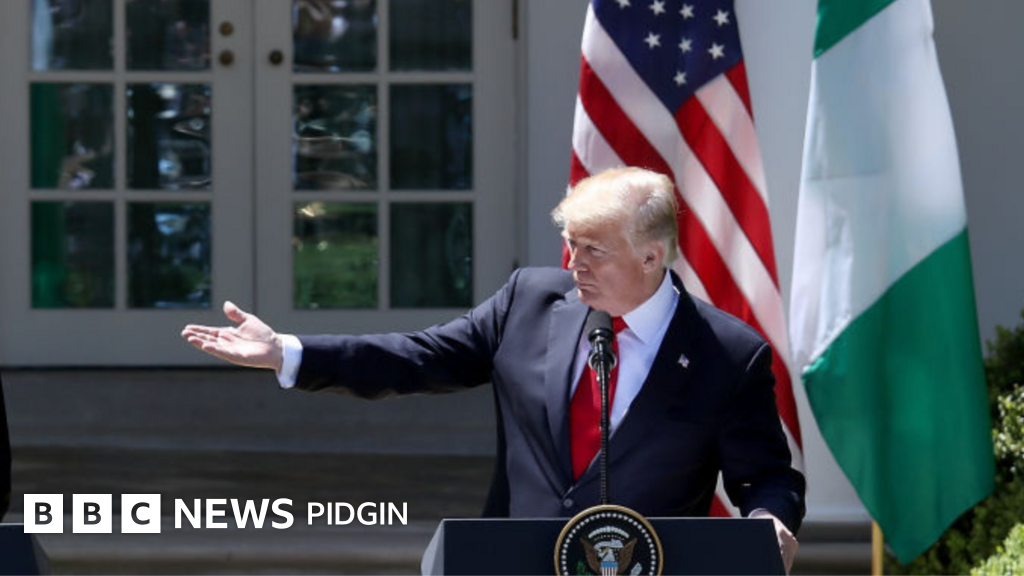
President Trump took to his Truth Social platform to declare, “Under my direction as Commander in Chief, the United States has launched a powerful and deadly strike against ISIS terrorist scum in north-west Nigeria.” He emphasized the gravity of the situation, claiming that these terrorists had been primarily targeting and killing innocent Christians at unprecedented levels.
This bold statement raised eyebrows and varied reactions within international circles, especially in Nigeria, where government officials asserted that claims of widespread killings were exaggerated.
Government Response
The Nigerian government was quick to respond, rejecting Trump’s assertions of rampant Christian persecution as a fabricated narrative. They highlighted that Nigeria is not a “country of particular concern,” clarifying that such generalizations misrepresent the complex realities on the ground.
The Nigerian Ministry of Foreign Affairs later confirmed the collaboration with the U.S. on the airstrikes, indicating a strategic partnership aimed at curbing the threat posed by terrorism in the region. In their statement, the ministry stressed that this cooperation involves intelligence sharing, strategic coordination, and other forms of support aligning with international law.
Details of the Military Operation
As part of this international collaboration, U.S. Secretary of War Pete Hegseth confirmed the airstrikes, emphasizing that the operations were carried out with the supportive backing of the Nigerian government. The U.S. Africa Command (Africom) also provided details about the strikes, revealing that the attacks took place in Sokoto State, aligning with broader strategies to eliminate terrorist threats.
Africom’s announcement also highlighted the precise nature of the operation, stating that strikes had targeted known ISIS positions, aiming for minimal collateral damage and upholding the rights of civilians.
Intelligence and Communication
The successful execution of these strikes was attributed to robust intelligence-sharing and cooperation between U.S. forces and Nigerian authorities. This partnership aims to address and combat terrorism and violent extremism that have plagued Nigeria for years, especially in the northern regions.
The collaboration signifies a new chapter in the efforts to stabilize areas infested with terrorist factions while ensuring that civilian safety remains paramount in military operations.
Internal and International Implications
This backdrop of military engagement between the U.S. and Nigeria is further complicated by recent changes in U.S. visa policies. The White House imposed partial visa restrictions on Nigeria, citing concerns about radical Islamic terrorist groups operating freely in certain areas. These restrictions have prompted a diplomatic response from Nigeria, emphasizing a commitment to addressing U.S. concerns through dialogue rather than confrontation.
By collaborating with international partners like the United States, the Nigerian government aims to enhance its counter-terrorism strategies, presenting a united front against extremist threats while navigating the complexities of domestic and international perceptions.
Looking Forward
As the situation evolves, the implications of U.S. military strikes in Nigeria will continue to be scrutinized both domestically and globally. The multifaceted nature of terrorism in the region, coupled with international relations, will be critical in shaping strategies moving forward. The partnership between the U.S. and Nigeria may set a precedent for future engagements, focusing on a balanced approach to security and humanitarian considerations.