


The Complicated Landscape of Yesterday’s ICE Shooting and Political Backlash
Setting the Scene: A Critical Incident
In the heart of Minneapolis, a disturbing incident unfolded—a shooting involving an Immigration and Customs Enforcement (ICE) officer that resulted in the tragic death of 37-year-old Renee Nicole Good. This event quickly morphed into a flashpoint for political debate, leading to Vice President JD Vance’s fiery defense of the administration’s actions during a White House press briefing.
A Political Pivot
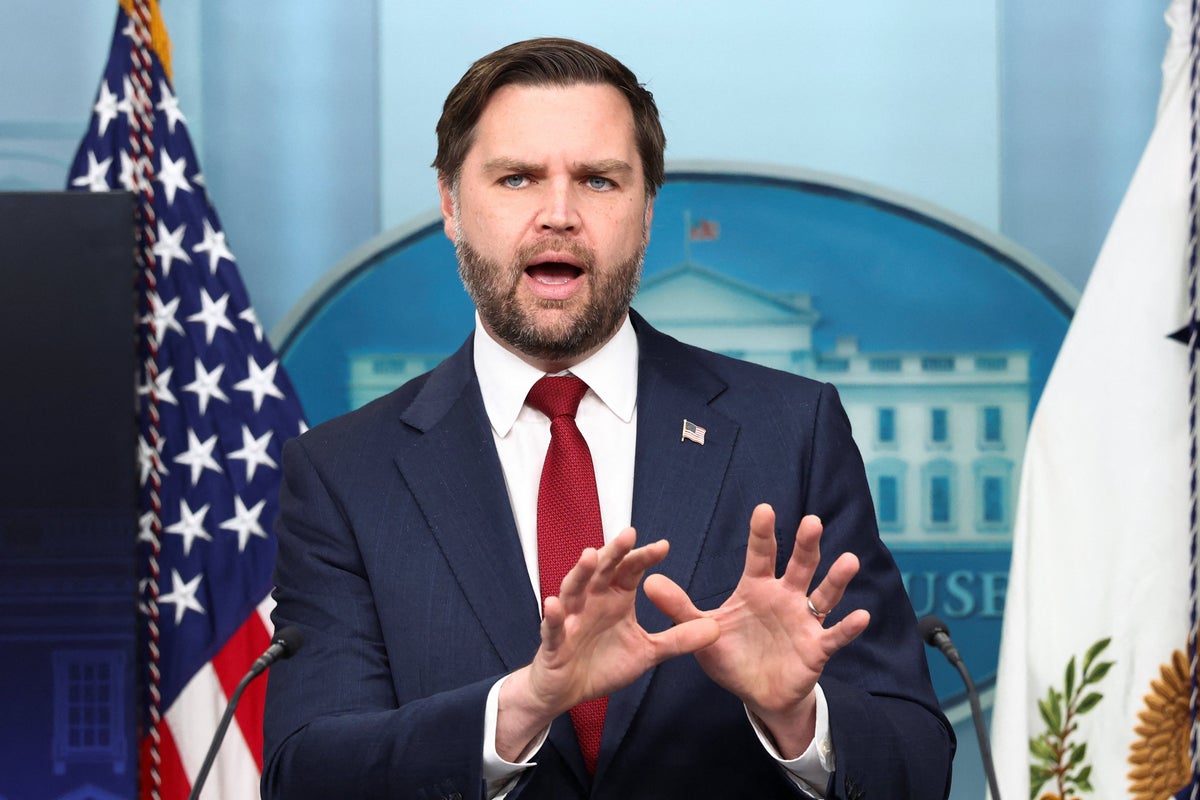
Vance’s appearance at the briefing was ostensibly to announce the establishment of a new Associate Attorney General role aimed at investigating the fraudulent abuse of federal benefits. However, he quickly shifted gears to address media portrayals of the shooting. His tone was one of indignation; he accused journalists of misrepresenting the incident and jeopardizing the safety of law enforcement officers.
The Incident Unfolded: Fact vs. Narrative
The shooting had taken place as ICE officers conducted an operation in Minneapolis, and video footage captured the moments leading up to the shooting. Eyewitness accounts suggest Good’s vehicle was not aggressively approaching the officer, contradicting claims from the administration that she had attempted to run him over.
Vance voiced strong objections to how reports characterized the shooting as “murder,” labeling it a reckless disservice to ICE officers who, he argues, operate under dangerous conditions. He contended that Good was involved in a broader “left-wing network” aimed at undermining law enforcement, a statement made without substantial evidence.
The Media’s Role in Shaping Perceptions
Vance’s rhetoric painted journalists as antagonists, claiming they were distorting the facts. He lamented that reports from prominent figures, including Minneapolis Mayor Jacob Frey and Governor Tim Walz, were detrimental and inflammatory. According to Vance, these narratives create a hostile environment for law enforcement—a charge that raises questions about the boundaries of responsible journalism versus advocacy.
In an age where media plays a crucial role in shaping public perception, the framing each side employs becomes vital. Proponents of immigration enforcement emphasize a narrative of self-defense and safety, while critics highlight issues of excessive force and accountability.
Veiled Allegations: A Broader Conspiracy
As Vance continued to defend the officer’s actions, he introduced the idea of a coordinated “left-wing” conspiracy—drawing parallels to past controversies where movements against police violence included claims of organized protestor sabotage. This concept relies on a narrative that has been widely debated and frequently critiqued as unfounded.
Vance insinuated that groups were facilitating violence against law enforcement but offered no tangible evidence. His comments echo a recurring theme in modern partisan politics where unverified claims can stoke fear and division while potentially distracting from substantive, fact-based discussion.
The Ground Reality: Public Sentiment and Institutional Response
Local responses to the shooting highlight a complex interplay between law enforcement, community safety, and socio-political dynamics. Good’s tragic death ignited a wave of public outcry, underscoring the tensions surrounding ICE operations—particularly in areas like Minneapolis that have experienced significant immigration and policing debates.
While Vance framed the situation as symptomatic of a broader ideological battle, critics argue that it represents a failure in protecting vulnerable populations. This perspective questions the intentionality and conduct of federal operations—calling for accountability rather than villainization of the victims involved.
The Path Forward: Investigations and Impacts
As the dust settled, investigations into the shooting were initiated by agencies like the Department of Homeland Security and the FBI. These inquiries aim to untangle the conflicting narratives and establish a clearer account of that tragic day. Vance’s insistence that both sides of the story need representation underscores a fundamental aspect of journalism—the commitment to truth in the face of rising partisanship.
The implications of this incident stretch beyond Minneapolis. It serves as a reminder of the role journalists play in providing a check on power, as well as the risks they face while navigating contentious political climates. In a time when fact and perspective are often seen as interchangeable, the impact of media representation cannot be overstated.