


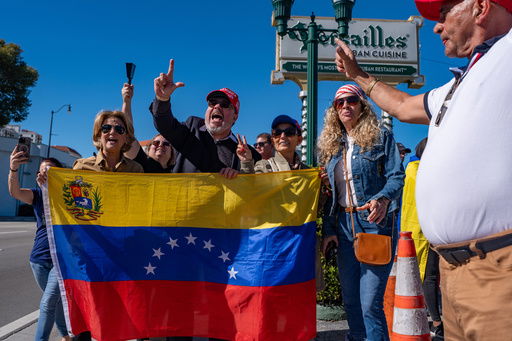
The Complex Emotions of Venezuelan Migrants in the Wake of Maduro’s Ouster
In recent days, the world has witnessed a remarkable political shift in Venezuela, triggered by a late-night military operation that unseated President Nicolás Maduro. For many Venezuelans living in the United States, this development brings a blend of hope, confusion, and anxiety. From advocates in Miami to new residents in cities like New York and Salt Lake City, their reactions are a tapestry of emotions woven with the threads of past trauma and uncertain futures.
Mixed Feelings Among Migrants
Alejandra Salima, an advocate for Venezuelan migrants, reflects the nuanced emotions felt by many. “The removal of Maduro is a first step, but we’re nervous,” she says. Having fled Venezuela three years ago with her son, Salima now assists others facing the harsh realities of life as an immigrant. Her sentiment encapsulates a general apprehension that lingers despite the departure of a leader who has oppressed many.
The current state of Venezuela remains a point of contention. While many Venezuelans in the United States express jubilation over Maduro’s ousting, they are also acutely aware that his regime’s remnants continue to exert power. Many fear for their loved ones still in Venezuela and the potential instability that lies ahead.
The Ongoing Threat of the Maduro Regime
Manuel Coronel, a lawyer who left Venezuela in 2017, echoes Salima’s sentiments. While he celebrates the removal of Maduro, he is quick to note that “the criminals are still there.” Coronel, now working in immigration law in Utah, recognizes that while a significant figure has been removed, the structural issues within the Venezuelan government remain largely unaddressed. The lack of a comprehensive plan for governance after Maduro leaves many feeling apprehensive about what the future holds for both migrants and those who remain in Venezuela.
Amidst these uncertainties, reactions to the Trump administration’s immigration policies, particularly concerning Temporary Protected Status (TPS) for Venezuelans, have fueled anxieties. The revocation of TPS has heightened fears among many migrants who face deportation while still experiencing the aftershocks of political instability in their homeland.
A Gradual Shift in Perspective
Despite this uncertainty, U.S. officials like Homeland Security Secretary Kristi Noem have expressed optimism about the future of Venezuelans. Noem asserts that this political change offers new opportunities for returnees. However, conversations with Venezuelan migrants tell a different story. Most do not feel a pressing need to return, citing fears over the existing political landscape.
José Luis Rojas, who fled to New York City in 2018, recalls the unbearable hyperinflation and systemic crime that drove him from his home. Although he welcomes Maduro’s ouster as a potential catalyst for change, Rojas remains skeptical about the U.S. immigration policies that may force migrants to return before it is safe to do so.
Starting Anew in the U.S.
The plight of Venezuelan migrants is not merely a story of loss; it also highlights their resilience and adaptability. Thousands have found new lives in the U.S., with many settling in suburban communities, far from their former homes. After facing persecution and threats, Jesus Martinez represents those who have successfully transitioned into the fabric of American society. Living in Orem, Utah, he has applied for political asylum, asserting, “life in Venezuela is behind us.” Yet, even he recognizes that the country’s challenges are far from resolved.
The Need for Stability
Salima’s apprehension about the future is rooted in her unresolved connection to family members still in Venezuela, specifically her mother, who remains cautious in discussions about politics. This fear underscores a collective apprehension among migrants about returning to a country still fraught with danger, even as Maduro exits the stage.
Aspirations for Choice and Freedom
Jorge Galicia, who fled during the protests of 2018, reflects the sentiment of many who have found a community in the U.S. Though he aligns with conservative ideologies that mirror Trump’s policies, he too grapples with the implications of his government’s decisions. Galicia hopes for the opportunity to return home, but recognizes that this should be a choice, not a mandate—an idea shared by many in the diaspora.
Ultimately, the effects of Maduro’s ouster ripple through the lives of Venezuelans in the U.S., shaping their hopes, fears, and aspirations. As they navigate the complexities of their new realities, the anticipation for a brighter future remains intricately tied to their homeland’s uncertain fate.