


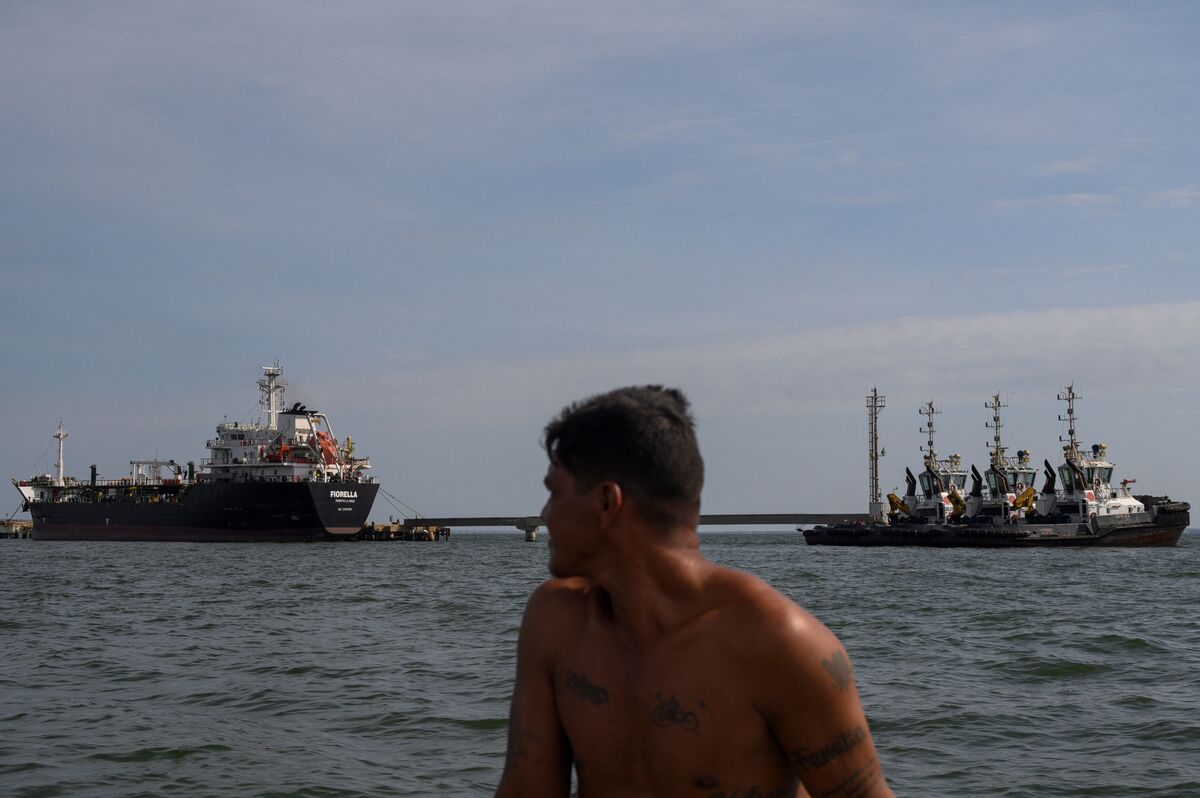
The Venezuela Tanker Blockade: Market Impact and Geopolitical Significance
Venezuela’s ongoing tanker blockade, driven by a complex interplay of sanctions, economic turmoil, and international relations, has sparked considerable interest among analysts, policymakers, and energy market observers. While the immediate market ramifications are notable, the broader geopolitical implications reveal a landscape fraught with tension and potential shifts in alliances.
Market Impact: Oil Supply and Prices
The blockade has had a profound effect on Venezuela’s oil production, once among the top exporters globally. With sanctions imposed by the United States and other nations targeting the Venezuelan oil sector, the flow of crude oil has been severely disrupted. This has driven down Venezuela’s output to historically low levels, often cited below 400,000 barrels per day, compared to around 2.5 million barrels in the early 2000s.
These supply constraints have created ripples across global oil markets. For countries dependent on Venezuelan crude, like China and several Caribbean nations, the absence of this oil supply has forced them to pivot toward alternative sources. This shifting landscape has contributed to both volatility in oil prices and a recalibration of trade routes, as countries scramble to secure their energy needs.
Implications for Global Oil Trade Routes
The blockade has not only disrupted direct supply chains but has also altered key trade routes. With tankers often detained or redirected due to the geopolitical climate, shipping costs have increased. Freight rates for crude oil have surged as shipping companies factor in the risk of sanctions, leading to higher transportation costs passed down the line to consumers.
Countries seeking to continue importing Venezuelan oil have adopted innovative strategies. Some may use clandestine methods or engage in “ship-to-ship” transfers to mask the origins of the oil being transported. This cat-and-mouse game illustrates the lengths to which countries will go to mitigate the financial repercussions of the blockade, revealing a dynamic shift in how global oil transactions are conducted.
Geopolitical Ramifications: A Strained Diplomatic Landscape
Beyond the immediate market impact, the blockade has accentuated existing tensions in international relations. The U.S. government has taken a hard stance against the Maduro regime, aiming to pressure it into relinquishing power. However, this assertive approach has led to significant pushback from other countries, notably Russia and China, which have increased their support for the Venezuelan government.
This geopolitical tug-of-war has positioned Venezuela as a focal point in the broader struggle for influence between Western powers and emerging economies. For Russia, maintaining ties with Venezuela represents not just an energy interest but also a strategic foothold in a region historically dominated by U.S. influence.
Humanitarian Crisis and Social Unrest
The implications of the blockade extend beyond the realm of oil markets and international diplomacy. Venezuela is grappling with a humanitarian crisis of staggering proportions, with shortages of food and medicine exacerbated by the economic collapse. The blockade has intensified these challenges, driving more citizens to seek refuge abroad and fueling social unrest within the country.
The plight of the Venezuelan people has drawn worldwide attention, prompting calls for humanitarian relief. The international community faces a dilemma: how to assist Venezuelans without inadvertently strengthening the Maduro government through the provision of aid that may not reach those in need.
Regional Effects and Strategic Alignments
The fallout from the blockade has reverberated throughout Latin America, influencing regional relationships and alliances. Neighboring nations have had to navigate a complex landscape, weighing their economic dependencies against the desire to support democratic movements. For example, Colombia and Brazil have both openly criticized the Maduro regime but must also contend with the influx of Venezuelan migrants seeking better opportunities across their borders.
These regional dynamics have led to a unification of some countries against external pressures while also showcasing the fragility of alliances. The rise of leftist governments in some Latin American countries has further complicated consensus-building on how to address Venezuela’s challenges, effectively reshaping inter-regional ties.
The Future: Uncertain Prospects
Looking ahead, the future of the Venezuela tanker blockade remains uncertain, as the global energy landscape continues to evolve. With the emergence of alternative sources of energy, such as renewables, the long-term significance of Venezuelan oil becomes less predictable. Additionally, the interplay between local and global forces will shape how the blockade influences both market trends and geopolitical strategies moving forward.
As nations adapt to the shifting realities of energy needs and international relations, the Venezuela tanker blockade serves as a pivotal case study in understanding the intricate connections between energy markets and global politics. This saga is far from over, and its trajectory will undoubtedly continue to impact both the economic and geopolitical arenas for years to come.