


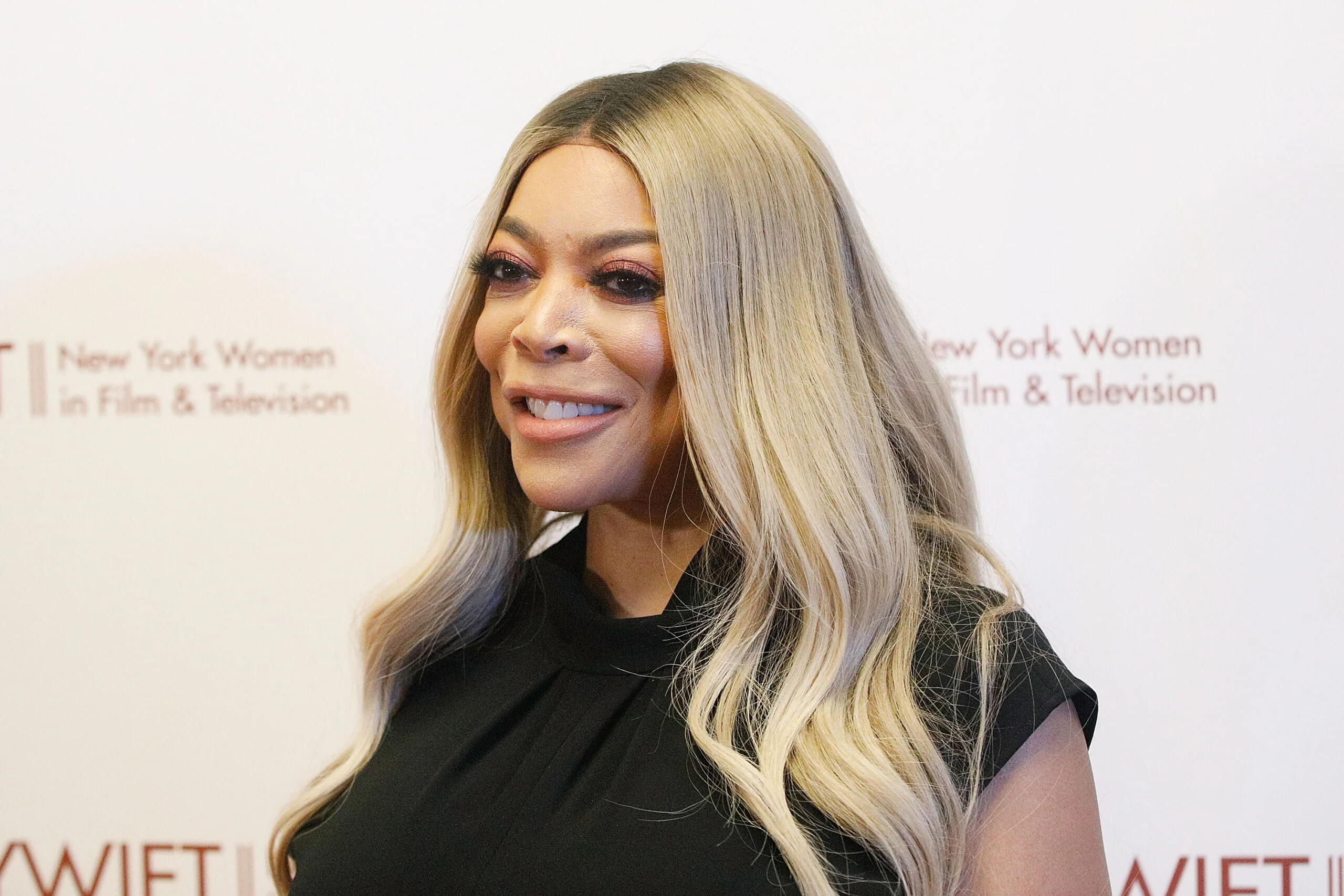
Wendy Williams: A Closer Look at Her Guardianship Battle
For the last three years, Wendy Williams, the once-vibrant talk show host known for her candid commentary and bold personality, has been living under a court-appointed guardianship. This significant legal arrangement has drastically altered her life, pushing her into a retreat from public view and, as some sources suggest, even away from her close friends and family. The guardianship, helmed by Sabrina Morissey, has raised eyebrows and questions about personal autonomy and the efficacy of such protective measures.
The Nature of the Guardianship
Wendy’s guardianship was established amid concerns about her health and well-being, yet the restrictions imposed have sparked controversy. It has been reported that she cannot leave her living facility without explicit approval from her guardian. Compounding this issue, she requires the presence of a bodyguard for any outings. This heavy-handed approach to protection has left many wondering whether the measures are fostering safety or inadvertently creating emotional and social isolation.
Sources close to Wendy have alleged that the strict oversight has led to her feeling imprisoned. “She can’t go anywhere without Sabrina signing off, and [the bodyguard] being there,” one anonymous insider revealed. Such comments paint a picture of a woman who feels controlled, stripped of her agency in a system that was initially designed to protect her.
The Impact on Her Social Life
The severe limitations placed on Wendy’s interactions have kept her from engaging in meaningful social connections. Recently, she was unable to attend a much-anticipated dinner with friends, reportedly because she couldn’t reach her bodyguard—an occurrence that highlights the complications of her situation. “She thinks Sabrina may have dismissed him,” explained the insider, illustrating how the guardian’s decisions significantly dictate Wendy’s ability to socialize.
This pattern has raised alarms among those who care about her. Wendy has previously referred to her conservatorship as “emotional abuse,” expressing a longing for contact with others outside of the rigid confines enforced by her guardian. She stated, “I am not cognitively impaired. But I feel like I am in prison,” during an interview, echoing the sentiments of many who feel trapped in oppressive situations.
Health Updates and Legal Moves
Amidst this turmoil, there have been some positive health developments for Wendy. Recently, she was cleared of a previous frontotemporal dementia diagnosis by a second medical evaluation, bringing some hope for both her and her supporters. However, this news has not alleviated the broader concerns surrounding her guardianship.
In light of these health updates, Wendy’s legal team has seemingly taken proactive steps, filing a motion to end the guardianship. If this motion is denied, they are prepared to escalate their efforts by seeking a jury trial aimed at restoring her autonomy. This move reflects a growing urgency to revisit the legality and appropriateness of her current situation, emphasizing that Wendy deserves to have a voice in decisions affecting her life.
A Voice for Her Rights
Wendy’s situation has ignited discussions about the guardianship system itself, drawing attention to the fine line between necessary protection and excessive control. Her power of attorney, Joe Tacopina, has voiced concerns that Wendy is not being safeguarded but punished instead. “What should’ve been a safeguard became a system of control that limited her voice, her choices, and her dignity,” Tacopina remarked, articulating the frustrations of a close-knit circle fighting for Wendy’s rights.
This conversation serves as a broader commentary on the guardianship laws and their implications for those who become vulnerable due to health issues. Wendy’s plea for freedom shines a light on the larger systemic issues facing individuals in similar positions—a call for transparency, compassion, and respect for personal autonomy.
The Battle for Connection
Despite the constraints of her current living conditions, Wendy has reportedly made efforts to maintain a semblance of normalcy. There have been instances when she managed to escape the confines of her residence, visiting restaurants and attending church services to remain grounded. Yet, the burgeoning sense of control imposed by her guardian looms large, causing many to question the support system in place for someone of her stature.
As Wendy Williams navigates this complex landscape of guardianship, health, and social connections, her story resonates as a compelling narrative about personal agency and the importance of having a voice. The public’s interest in her well-being raises broader questions about the responsibilities of those caring for individuals facing health challenges, reminding us of the essential need for empathy and understanding in such circumstances.