


The Implications of Trump’s Overt Action Against Venezuela
Over the past weekend, former President Donald Trump’s daring decision to launch a “large-scale” strike against Venezuela has sent ripples through both domestic and international political spheres. This action led to the capture of Venezuelan President Nicolás Maduro and raised numerous questions regarding the constitutional limits of presidential power, particularly concerning military actions without congressional authorization.
The Context of the Attack
This unprecedented military action occurred as much of Washington was absent for the Christmas holiday, highlighting an unusual timing that some analysts interpret as a strategic avoidance of congressional scrutiny. Trump explicitly bypassed the customary protocol of seeking Congressional authorization. In his rationale, he claimed, “Congress will leak, and we don’t want leakers,” signaling a preference for unilateral decision-making in urgent matters of national security.
Congressional Response
Reaction among congressional Republicans has been overwhelmingly supportive of Trump’s decision, with only a handful of dissenters voicing criticism. Notably, retiring Congresswoman Marjorie Taylor Greene raised concerns, but these have largely been drowned out by the majority who have expressed approval. This raises important questions about the willingness of Congress to hold the executive branch accountable for its military engagements.
The Role of Congress in War Declarations
Historically, the U.S. Constitution vests Congress with the power to declare war, a provision intended to prevent unilateral military action by the executive branch. However, the erosion of this authority has been gradual. Over the years, Congress has remote control of military engagements, notably during the Obama administration’s intervention in Libya, and even more recently, during Trump’s targeted strikes in Iran. The authorization following the September 11 attacks only further complicated the landscape, granting sweeping powers to the executive office.
What Lies Ahead?
As the situation unfolds, key figures like Secretary of State Marco Rubio, Secretary of Defense Pete Hegseth, and Attorney General Pam Bondi are scheduled to brief Congressional leaders. This briefing will include the “Gang of Eight” — a bipartisan group consisting of top Senate and House leaders alongside the heads of intelligence committees.
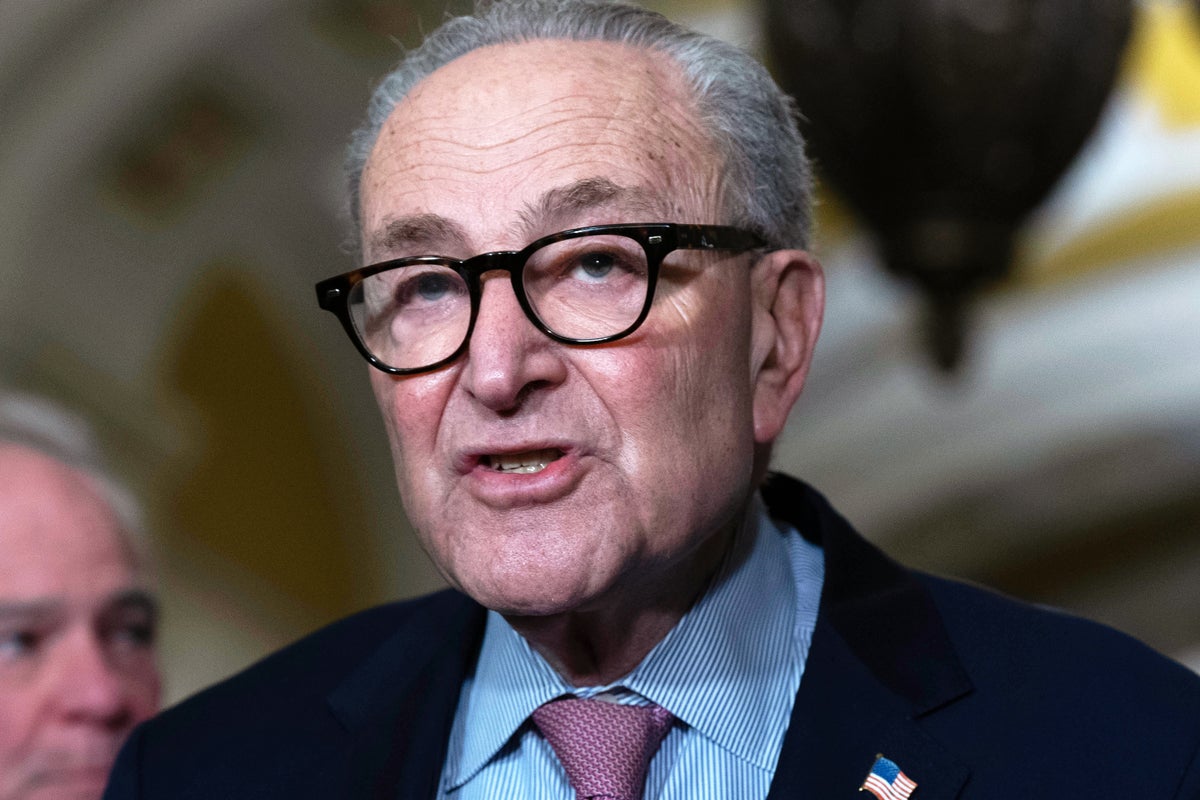
During a recent press interaction, Senate Majority Leader Chuck Schumer indicated that a vote on a War Powers Act resolution could take place this week. The War Powers Act mandates that the president must inform Congress within 48 hours of deploying military forces unless Congress has declared war or provided authorization for military action.
The Challenges of the War Powers Act
Despite the past successes of the War Powers Act, its current iteration faces significant hurdles. Democrats, controlling only 47 Senate seats, find themselves pushing for support amidst a Republican-dominated environment. Currently, only Senator Rand Paul has signaled a willingness to cross party lines in support of the measure.
Government Funding Deadline as Leverage
The looming government funding deadline at the end of the month presents a critical juncture for Democrats seeking to reassert some control over military actions. However, Schumer appears cautious, emphasizing the need for factual clarity before taking any decisive actions or leveraging this funding deadline to influence military operations.
The Public and Political Reaction
The political landscape surrounding Venezuela has remained staunchly anti-Maduro, particularly among Cuban and Venezuelan communities in South Florida, a demographic significantly supportive of Trump. This presents an additional layer of complexity, as these voters have historically fueled Republican narratives against the Maduro regime.
Trump’s Erosion of Congressional Authority
Trump’s latest actions reflect a broader trend where the executive branch has increasingly undermined Congressional authority. From government spending to decisive military strikes, Trump’s presidency has exemplified a push for more unilateral power. Unless there’s a significant shift within Republican leadership, the balance of power is likely to remain tilted in favor of the executive.
This complicated situation poses a larger question about the future of U.S. military engagements, the validity of Congress’s role in such decisions, and the implications for American democracy. As developments continue to unfold, the interactions between these branches of government could redefine the landscape of U.S. foreign policy and domestic governance.