



Discovering Nigeria’s Unforgettable Global Presence
Welcome to what I can honestly say has been one of the most rewarding articles I’ve had the pleasure of writing. After months of research and countless conversations with Nigerians from all walks of life, I’m thrilled to share what makes Nigeria not just famous, but genuinely unforgettable on the world stage. My years covering Nigerian culture and society have taught me that the question, “Is Nigeria famous for anything?” deserves far more than a simple yes or no answer.
Let me be clear from the start: Nigeria isn’t just famous for one thing. This vibrant West African nation has carved out a reputation that touches everything from entertainment and literature to economics and innovation.
Nigeria is globally renowned for its entertainment industry (particularly Nollywood and Afrobeats music), rich literary tradition with Nobel laureates, vast oil reserves as Africa’s largest petroleum producer, diverse cultural heritage spanning over 250 ethnic groups, and its position as Africa’s most populous nation and major economy.
What Nigeria is Recognised for Globally
A few years ago, I attended a film festival in Toronto and was genuinely taken aback by how many people wanted to discuss Nollywood. Nigeria’s film industry produces roughly 2,500 films annually, making it the second-largest film industry by volume globally. This creative powerhouse employs over one million people directly and contributes approximately ₦522 billion to the Nigerian economy each year, according to the National Bureau of Statistics.
The transformation of Nigeria’s film industry into a global phenomenon didn’t happen overnight. It took decades of hustle, creativity, and determination from filmmakers invested in telling authentic African stories.
But cinema is just the beginning.
The music scene has exploded onto the international stage as well. Afrobeats has become a global sensation. Artists like Wizkid and Burna Boy routinely sell out venues from London to Los Angeles. Burna Boy’s 2019 album “African Giant” earned him a Grammy nomination, and he subsequently won the award in 2021 for “Twice as Tall.” Wizkid’s collaboration with Drake on “One Dance” became one of the most-streamed songs in Spotify history.
The literary tradition runs deep too. Chinua Achebe’s “Things Fall Apart” boasts over 20 million copies sold worldwide and has been translated into 57 languages. It’s taught in schools across six continents. Wole Soyinka became Africa’s first Nobel Prize laureate in Literature in 1986, with contemporary writers like Chimamanda Ngozi Adichie maintaining this legacy, evident in her TED Talk “The Danger of a Single Story,” viewed over 27 million times.
Nigeria’s entrepreneurial spirit manifests in unexpected ways as well. Often dubbed the “Silicon Valley of Africa,” Lagos is home to Africa’s largest tech ecosystem. Nigerian entrepreneurs have created unicorn startups like Flutterwave and Paystack, revolutionising digital payments across the continent.
The Most Famous Aspects of Nigerian Culture
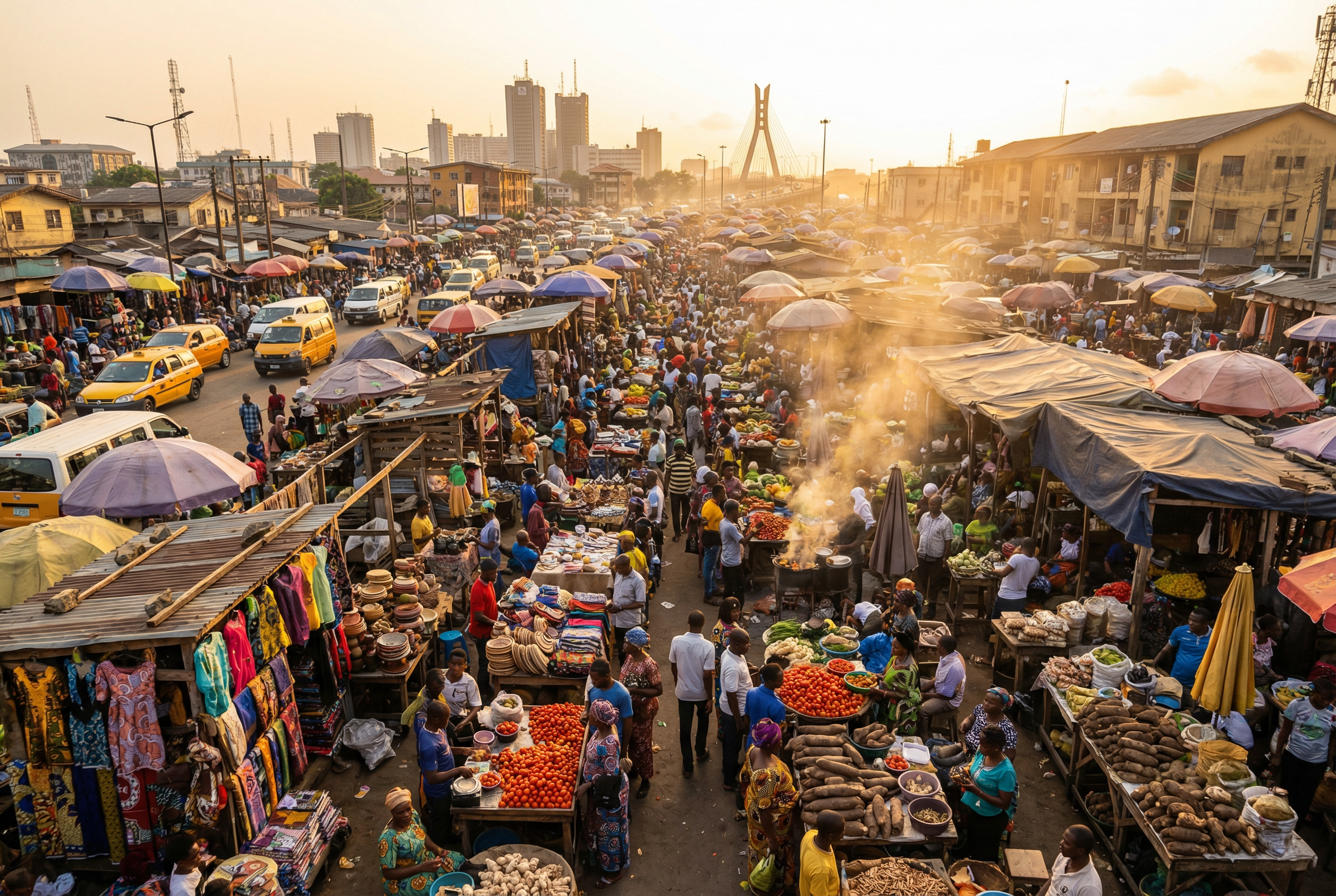
Having spent considerable time exploring Nigerian markets, attending festivals, and sharing meals with families, I’ve come to appreciate how Nigeria’s fame stems from its people’s creativity and resilience.
The fashion industry deserves particular mention. Nigerian designers have dressed celebrities like Beyoncé and Naomi Campbell. Ankara fabric has become synonymous with contemporary African fashion globally. During Lagos Fashion Week, which I attended in 2022, I witnessed designers showcasing collections that later appeared at Paris Fashion Week. The creativity on display was simply breathtaking.
Football (or soccer, if you must) represents another area of international recognition. The Super Eagles won the Africa Cup of Nations three times and have qualified for six FIFA World Cup tournaments. Players like Jay-Jay Okocha and Nwankwo Kanu have graced some of the world’s most prestigious football leagues. The women’s team, the Super Falcons, has won the African Women’s Championship a record eleven times.
Nigerian cuisine is also making waves. Jollof rice has sparked friendly (and sometimes heated!) rivalries with Ghana and Senegal over whose recipe reigns supreme. Restaurants serving Nigerian food have proliferated in major cities around the world. Suya, that delicious spiced meat skewered and grilled to perfection, has become a street food sensation in London, New York, and Houston.
The warmth and hospitality of Nigerians significantly contribute to the nation’s reputation. Anyone welcomed into a Nigerian home knows that the phrase “you’re welcome” takes on a whole new meaning, emanating a generosity of spirit that travelers consistently mention.
Nigeria’s Economic Contribution: Key Statistics
| Sector | Global Ranking | Annual Value (₦) | Employment (millions) |
|---|---|---|---|
| Film Industry (Nollywood) | 2nd by volume | ₦522 billion | 1.0+ |
| Oil & Gas Exports | 1st in Africa | ₦45.3 trillion | 0.5 |
| Agriculture | 1st in Africa | ₦24.8 trillion | 36.0 |
| Telecommunications | 1st in Africa | ₦16.5 trillion | 0.8 |
| Banking & Finance | 1st in Africa | ₦58.2 trillion | 0.3 |
This data illustrates Nigeria’s extensive economic footprint across multiple sectors. The agricultural sector is particularly impressive, employing more people than any other industry while positioning Nigeria as Africa’s leading producer of cassava, yams, and many other staples that feed the continent.
Nigeria’s Global Significance and International Impact
The question of how Nigeria matters to the world extends beyond just economic statistics. With a population exceeding 220 million, Nigeria serves as Africa’s demographic powerhouse. By 2050, the United Nations projects Nigeria will become the third most populous country globally, behind only India and China. This demographic weight translates into substantial political and economic influence.
Within West Africa, Nigeria functions as an anchor. It provides the largest financial contributions to the Economic Community of West African States (ECOWAS) and has historically led peacekeeping missions in various regions. Nigerian troops have served in Liberia, Sierra Leone, Mali, and many other conflict zones, often at great risk.
The economic impact cannot be overstated. While discussions about Nigeria’s economic status continue to spark debate, its significance in the African economy remains undeniable. Sectors like agriculture and telecommunications contribute trillions of naira, and Nigerian economic activities profoundly affect neighboring countries.
The Nigerian diaspora community also wields tremendous influence. An estimated 17 million Nigerians live abroad, sending home approximately $20 billion in remittances annually—more than the entire GDP of many African nations. Many Nigerians excel across various fields, from medicine to technology.
The oil and gas sector positions Nigeria as a critical player in global energy markets. As Africa’s largest oil producer, Nigeria supplies crude to major economies worldwide and holds the continent’s largest natural gas reserves, exceeding 200 trillion cubic feet.
How to Experience Nigerian Fame: Five Essential Steps
If you’re planning to explore what makes Nigeria famous firsthand, here’s a practical guide based on my experiences:
-
Start with the entertainment hub of Lagos. Visit the bustling film sets in Surulere, attend a live Afrobeats concert, and explore the contemporary art scene in Lekki. The city’s energy, particularly at night when vibrant nightlife venues come alive, perfectly encapsulates Nigeria’s creative spirit.
-
Explore the literary heritage. Visit the National Library in Lagos or Abuja, attend literary festivals like the Aké Arts and Book Festival, and tour the locations that inspired famous Nigerian novels. Many bookshops now offer guided literary tours that bring the written word to life.
-
Immerse yourself in the culinary scene. Take a cooking class to learn authentic Nigerian dishes, visit local markets to understand ingredient selection, and dine at restaurants ranging from street food stalls to upscale establishments. Each meal tells a story about regional diversity and cultural heritage.
-
Engage with the tech ecosystem. If innovation interests you, schedule visits to tech hubs in Yaba, attend startup pitch events, and meet entrepreneurs solving African problems with African solutions. The Co-Creation Hub and other innovation centers regularly welcome visitors.
-
Experience traditional culture alongside modern developments. Attend festivals like the Durbar in Kano, the Osun-Osogbo Festival, or the Calabar Carnival. These events showcase the traditional foundations upon which contemporary Nigerian fame has been built, highlighting the juxtaposition of ancient traditions and modern innovations.
Which City Never Sleeps in Nigerian Culture?
When people ask which city never sleeps in Nigeria, there’s really only one answer: Lagos. This city operates on a rhythm all its own. I’ve strolled through Victoria Island at 3 AM, discovering restaurants bustling with customers, clubs filled with revelers, and traders setting up for the morning market.
The city’s 24-hour activity isn’t merely tourist marketing; it’s the lived reality of over 20 million people.
Many Lagosians juggle multiple jobs, transitioning from day jobs to night shifts. The infamous traffic congestion means commuting can often take considerable time. Yet beyond necessity, there’s a vibrant nightlife that feels electric.
Clubbing thrives spectacularly, with venues like Quilox and the New Afrika Shrine passionately keeping Fela Kuti’s legacy alive. Street food vendors operate throughout the night, serving scrumptious delicacies like suya and puff puff to night shift workers and party-goers alike.
Why Nigeria’s Cultural Exports Continue Growing
The trajectory of Nigerian cultural influence shows no signs of slowing, driven by several factors. Technology has broken barriers that once limited access for African artists. Streaming platforms like Spotify and YouTube give Nigerian musicians direct access to global audiences without needing the approval of Western record labels.
A similar dynamic applies to Nollywood. Platforms like Netflix, Amazon Prime, and emerging African services now license Nigerian content, exposing it to audiences who may never have accessed it through traditional distribution channels. The quality of production has improved significantly, ensuring it rivals international standards while preserving authentic storytelling.
The diaspora plays a pivotal role as cultural bridges. Second-generation Nigerians growing up in cities like London and New York introduce Nigerian culture to their peers through music, fashion, and food. Collaborative efforts further expand reach, with high-profile partnerships elevating Nigerian artists and designers in international markets.
Government support, though inconsistent, has improved. The Nigerian Export Promotion Council now actively markets creative industries abroad, and there are tangible efforts to protect intellectual property and provide funding for entertainment businesses.
Most importantly, Nigerians themselves refuse to be ignored, presenting their stories and identities with a confidence that resonates powerfully in a globally connected world.
Understanding Nigeria’s Complex Global Reputation
Despite its accomplishments, Nigeria’s international reputation carries complexities that merit honest discussion. Issues like internet fraud and security challenges make headlines, leading to stereotypes that legitimate Nigerians constantly combat.
While Boko Haram’s insurgency and separatist agitations are worthy concerns, millions of Nigerians lead peaceful lives far removed from these conflicts. Likewise, corruption remains a pressing issue, although growing numbers demand accountability and transparency.
The key is holding both realities simultaneously: Nigeria is neither merely a success story nor a failing state. The country is a vibrant, complex nation making uneven progress across various fronts, embodying a rich tapestry woven from challenges and triumphs.
Connecting Nigeria’s Fame to Broader Cultural Questions
Intrigued by Nigeria’s global impact? You might also wonder about social dynamics within the country. The elements that make Nigeria famous internationally are deeply rooted in daily life experiences.
Understanding what Nigerian society actually looks like helps contextualize why specific cultural exports resonate. The hustle mentality, communal values, and adaptability found in Nigeria stem directly from lived realities.
Similarly, grappling with misconceptions and stereotypes also clarifies why Nigerian artists work diligently to control their narratives. The fame enjoyed in entertainment and culture represents a relentless effort to present authentic stories that counter one-dimensional labels.
Frequently Asked Questions About Nigeria’s Fame
Is Nigeria famous for anything?
Yes, Nigeria is globally famous for its entertainment industry (Nollywood films and Afrobeats music), rich literary tradition with Nobel Prize winners, position as Africa’s largest oil producer, diverse cultural heritage, and increasingly influential tech ecosystem.
What is Nigeria best known for internationally?
Nigeria is internationally best known for Nollywood, Afrobeats music, acclaimed literature, and its position as Africa’s most populous country.
Which thing is most famous about Nigeria?
Nollywood arguably ranks as Nigeria’s most famous export, producing approximately 2,500 films annually and employing over one million people directly.
How is Nigeria important to the world economy?
Nigeria significantly contributes as Africa’s largest oil producer and leads in agriculture, telecommunications, and banking, creating a critical economic environment that affects regional trade.
Which city never sleeps in Nigeria?
Lagos holds this title, featuring vibrant nightlife and a round-the-clock economy fueled by over 20 million residents.
What makes Nigerian culture unique globally?
Nigerian culture’s uniqueness stems from its extraordinary diversity, the fusion of traditional values with modern innovations, and warm hospitality.
How has Afrobeats influenced global music?
Afrobeats has brought African rhythms to mainstream charts, with artists collaborating globally and changing the music landscape.
Why is Nollywood so successful?
Nollywood succeeds through prolific output, authentic storytelling, and improved production quality, gaining international exposure.
What role does Nigeria play in African politics?
Nigeria provides the largest financial contribution to ECOWAS and leads peacekeeping missions across West Africa.
How educated are Nigerians internationally?
Nigerian-Americans rank among the most educated immigrant groups in the U.S., excelling in various fields.
What challenges affect Nigeria’s international reputation?
Challenges include stereotypes of internet fraud, security concerns, corruption, and infrastructure deficits, coexisting with the nation’s vibrant achievements.
How can someone experience authentic Nigerian culture?
Experience Nigeria by engaging with its entertainment, cuisine, festivals, and the creative vibrancy that defines its people.