


Kwanzaa: A Celebration of Blackness and Heritage
Introduction to Kwanzaa
Just as hot sauce enhances a dish, Kwanzaa brings a unique flavor and depth to the festive season, marking its place alongside Chanukah and Christmas. However, unlike those religious observances, Kwanzaa is a secular celebration that emphasizes the value of African heritage and cultural identity. Kwanzaa begins on December 26 and extends through January 1, symbolizing a time of reflection, unity, and renewal.
The Origin Story
Kwanzaa was created in 1966 by Dr. Maulana Karenga, an esteemed activist, scholar, and philosopher. This holiday arose from the tumultuous era following the Watts uprising in Los Angeles, where Karenga sought to forge a cultural identity for African Americans. Drawing from classical African ethics and traditions, particularly those stemming from ancient Egypt, he crafted Kwanzaa as a way to inspire pride and strengthen community bonds.
This year, Dr. Karenga’s theme, “Practicing the Seven Principles in Dimly-Lit Times: Lifting Up the Light, Hurrying the Dawn,” reflects a call for engagement and moral consciousness in the fight against oppression.
The Seven Principles of Kwanzaa
At the heart of Kwanzaa are the Nguzo Saba, or the Seven Principles, expressed in Swahili:
- Umoja (Unity): Striving for unity in the family, community, nation, and race.
- Kujichagulia (Self-determination): Defining and naming ourselves, as well as speaking for ourselves.
- Ujima (Collective Work and Responsibility): Building and maintaining our community together and making our brothers’ and sisters’ problems our problems.
- Ujamaa (Cooperative Economics): Supporting our own businesses and profiting from them together.
- Nia (Purpose): Building and developing our community to restore our people to their traditional greatness.
- Kuumba (Creativity): Doing always as much as we can in the way we can, in order to leave our community more beautiful than we inherited it.
- Imani (Faith): Believing with all our heart in our people, our parents, our teachers, our leaders, and the righteousness and victory of our struggle.
The term “Kwanzaa” itself derives from the Swahili phrase “matunda ya kwanza,” meaning “first fruits,” signifying a celebration of harvest, culture, and community.
Faith and Religion
A noteworthy aspect of Kwanzaa is its inclusivity; while many participants are Christian—73% of Black Americans identify as Christian according to the Pew Research Center—Kwanzaa remains a cultural rather than a religious observance. People from various religious backgrounds can celebrate without having to abandon their faith.
Celebrating Kwanzaa: Traditions and Customs
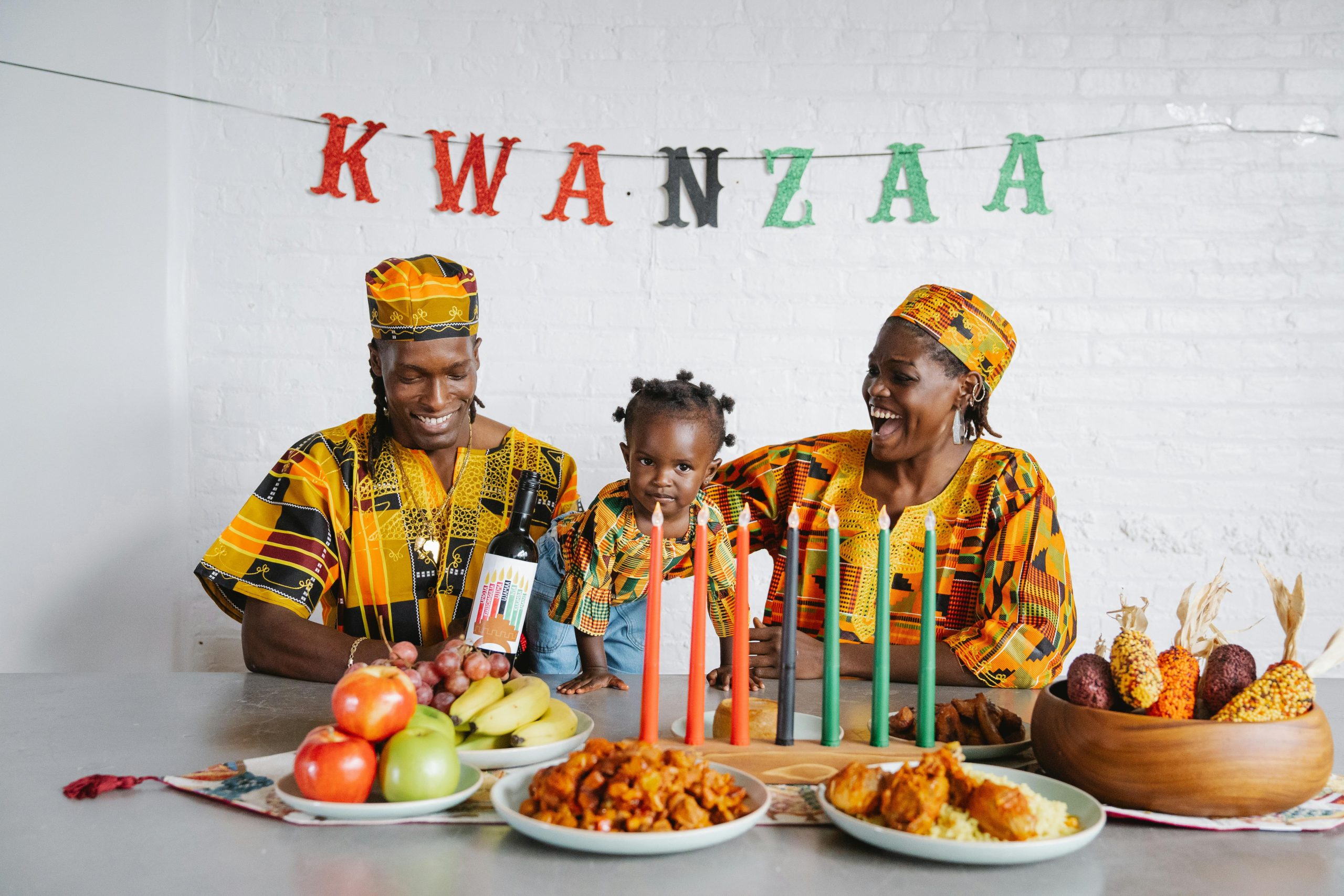
Though Kwanzaa is a secular holiday, its observance is rich with meaningful rituals and traditions. Families light candles on the Kinara, which represents the seven principles, and gather for a communal feast known as Karamu. This shared meal—traditionally held on December 31—often features dishes from diverse African cultures, the Caribbean diaspora, and the Southern United States.
Community Engagement
In local communities, Kwanzaa serves as a unifier. Pastor Dr. W. Harrison Trotter and his wife, First Lady Ranza Trotter, from Morning Star Church in Pasadena, engage their congregants and the broader community in Kwanzaa observances. They emphasize the importance of heritage and the week’s themes, encouraging attendees to embody the principles of Kwanzaa in their everyday lives.
What Kwanzaa Means Today
Kwanzaa is more than just a holiday; it’s a call to reflect on one’s roots and strengthen ties with family and community. Individuals like Ranza Trotter describe Kwanzaa as a chance to embrace their heritage fully and inspire others to do the same. The holiday encourages participants to don vibrant African textiles, enhancing the spirit of celebration and cultural pride.
The Conversation About Inclusivity
The question arises: can people outside the Black community participate in Kwanzaa? While it’s essential to approach such cultural celebrations with respect and acknowledgment of their origins, the holiday welcomes all who wish to join in the spirit of unity and celebration.
Culinary Traditions
Food plays an integral role in Kwanzaa festivities, with families sharing traditional dishes that reflect their heritage and roots. While some meals may originate directly from African customs, others may be influenced by Caribbean or Southern U.S. culinary traditions, including jerk chicken, fried plantains, and collard greens. This fusion highlights the rich tapestry of Black culture and the shared experience of the African diaspora.
Fostering Economic Success
Gift-giving during Kwanzaa is not mandatory, though thoughtful presents that carry cultural significance are appreciated. Local businesses play a crucial role in supporting the principle of Ujamaa or cooperative economics. Engaging with local Black-owned businesses typically fosters community resilience while celebrating shared heritage.
Conclusion
Kwanzaa stands out as a unique celebration rooted in historical significance, cultural pride, and community solidarity. It invites all to reflect on their heritage, embrace their identity, and actively engage in the betterment of society. As the holiday approaches, may each candle lit in observance ignite a deeper understanding and appreciation of Black culture and the universal calls for unity and empowerment.