


The Altered Image and Its Impact
Recently, the White House stirred controversy after posting an altered image of Nekima Levy Armstrong, a civil rights attorney and activist from Minnesota. This image was shared in the wake of Armstrong’s arrest by the FBI, which occurred during a church protest against Immigration and Customs Enforcement (ICE). The deliberately manipulated photograph depicted Armstrong—who is Black—crying with darker skin, a stark contrast to the original image, where she appeared emotionless while being taken into custody.
Online Backlash and Defiance
The social media post quickly garnered backlash. White House Deputy Communications Director Kaelan Dorr responded defensively, stating, “Enforcement of the law will continue. The memes will continue,” highlighting a tone of mockery that many interpreted as a dismissal of the serious issues at hand. Critics argue that this kind of online post reduces complex social issues to mere humorous addons, trivializing the challenges faced by activists and marginalized communities.
Escalating Tensions in Minnesota
The situation has unfolded against a backdrop of escalating immigration enforcement in Minnesota’s Twin Cities. Reports indicate aggressive tactics being employed by federal agents, including the capture of children by ICE, use of tear gas on protestors, and even deadly incidents, such as the tragic shooting of Renee Good. Such actions have ignited fierce opposition among local communities, further complicating the relationship between residents and federal authorities.
Community Response
In the face of federal arrests, including Armstrong’s, community leaders and residents have voiced their concerns. Rod Adams, an advocate dedicated to Black liberation, criticized the White House’s actions as propaganda aimed at instilling fear in those opposing the administration’s policies. Adams drew parallels to historical instances of persecution faced by civil rights activists, suggesting that Armstrong’s arrest and the resulting propaganda reflect a broader pattern of government intimidation.
Historical Context and Comparisons
The echo of the past looms large in discussions surrounding Armstrong’s case. By comparing the current events to the civil disobedience movements of the 1960s, Adams emphasized the recurring challenges faced by those who dare to oppose systemic injustice. He noted that activists like Martin Luther King Jr. and Malcolm X were often targeted, suggesting that modern efforts to silence dissent carry a similar agenda.
A Call for Solidarity
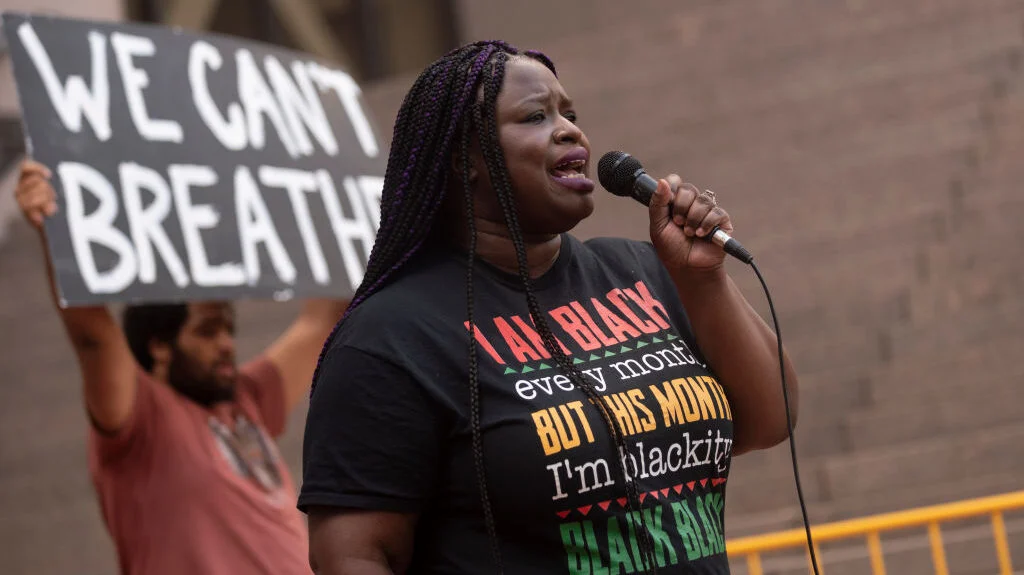
Adams emphasized the necessity of solidarity among marginalized groups, stating that the suffering experienced by immigrant communities intersects significantly with the struggles of Black residents. This solidarity is crucial for creating a robust resistance against oppressive policies. The community gathered in support of Armstrong and fellow activist Chauntyll Allen, symbolizing a collective stand against government attempts to weaken their resolve.
Activism and Resilience
Despite the attempts to intimidate, Adams expressed confidence in the community’s resilience. He believes that rather than cower in fear, residents are prepared to unite and fight against government actions that they perceive as fascist and unjust. The sentiment expressed by community members is one of increased determination, revealing a collective commitment to social justice that no amount of propaganda can diminish.
The Broader Implications
The implications of this incident extend beyond a single arrest; they touch upon the profound struggles against systemic racism, immigration enforcement, and government overreach. The altered image of a prominent activist serves as a focal point for discussions about representation, the ethics of media manipulation, and the ongoing fight for civil rights in the United States.
Continued Activism
With the White House’s disregard for the implications of their actions, activists like Adams call for ongoing vigilance and preparedness. There is a rallying cry within the community to not only challenge current injustices but to anticipate future struggles, affirming a united front against the targeting of marginalized individuals.