


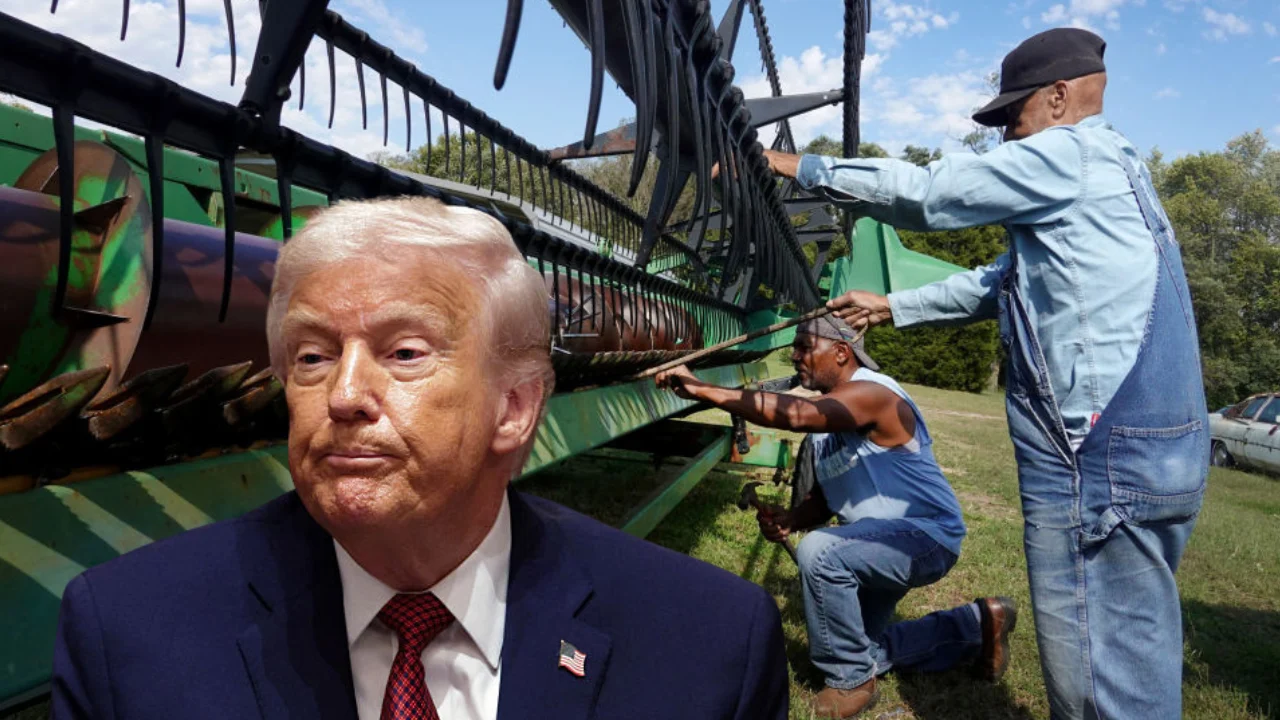
Understanding the $12 Billion Relief Aid to American Farmers: An Insight into Challenges Faced, Particularly by Black Farmers
On Monday, the Trump administration announced a significant $12 billion relief aid package aimed at American farmers grappling with economic pressures. Amid rising costs and declining markets, this one-time payment seeks to provide a lifeline to farmers caught in the turmoil of the global tariffs imposed by President Donald Trump. The urgency of this initiative highlights the increasing struggles within the agricultural sector and raises important questions about equity and access to federal support, especially among marginalized farming communities.
The Context of the Relief Package
The backdrop of this relief initiative stems from the impacts of President Trump’s global tariffs on foreign trade, which have disrupted market stability. The U.S. Department of Agriculture (USDA) described the financial assistance as “bridge payments” intended to alleviate the financial strain faced by American farmers. Farmers are expected to see these funds by the end of February, providing essential support during a challenging time.
President Trump emphasized during a roundtable discussion the administration’s commitment to supporting farmers. “We’re taking a relatively small portion of [tariff revenue] and providing it to the farmers in economic assistance,” he stated, attempting to reassure the farming community of his administration’s support.
The Disconnect for Black Farmers
While the relief package is welcomed by many, it raises red flags for Black farmers, who face unique challenges pervasive in the agricultural industry. Leaders like John Boyd, founder of the National Black Farmers Association, have voiced concerns that the relief will predominantly benefit large-scale white farmers, thereby neglecting Black farmers who often encounter significant barriers.
Boyd, who represents over 150,000 Black farmers nationwide, laments that many Black farmers won’t see substantial benefits from this aid. Historical and cultural barriers create an environment where Black farmers are less likely to reach out for assistance or report their farming activities to the USDA, a requirement to access the funds.
Institutional Barriers and Distrust
The reluctance of many Black farmers to engage with the USDA is steeped in a long history of racial discrimination. Institutional practices, such as loan acceleration notices and cuts to essential federal grants, have fostered a pervasive distrust among Black farmers toward federal agencies. This distrust complicates the ability of Black farmers to participate in programs designed to alleviate their situation.
Boyd highlights the notion that if these farmers are not integrated into the system, they stand to miss out on crucial opportunities for support. He explained the dual challenge of overcoming historical mistrust and ensuring that Black farmers can navigate the system to secure necessary aid.
A Call for Representation
The exclusion of Black farmers from key discussions, such as the roundtable at the White House, raises significant questions about representation and inclusion in agricultural policy-making. Boyd expressed a strong desire to bring attention to the specific challenges faced by Black farmers. “We are farmers, and we still should be at the table, whether you like Black people in this country or not,” he argues passionately.
The lack of representation at such pivotal moments underscores the urgency for inclusive dialogue regarding agricultural policies and their implications for marginalized groups. Boyd believes that discussions should transcend party affiliations and focus on solutions that truly benefit all farmers.
Roadblocks in Participation
The ongoing push to have Black farmers report their acreage to the USDA, despite resistance, is a persistent issue. Boyd shares that efforts to encourage Black farmers to obtain a farm serial number and engage with the USDA are met with skepticism. Many farmers are hesitant to reveal information about their crops, fearing further scrutiny or lack of genuine support from the government.
This reluctance is not unfounded; it stems from years of feeling neglected and marginalized. Boyd asserts that without participation in such programs, Black farmers will remain sidelined, missing out on opportunities to alleviate their financial burdens.
Political Reactions and Broader Implications
The announcement of the relief package also drew criticism from congressional Democrats, who argue that Trump’s policies have exacerbated the struggles of American farmers. House Minority Leader Hakeem Jeffries pointed out the disparity in the administration’s funding priorities, while Senate Minority Leader Chuck Schumer condemned the relief as insufficient to rectify the damage done to farmers.
This narrative reflects a broader bipartisan concern about the actual effectiveness of quick financial fixes in the face of systemic challenges faced by farmers, particularly those from minority backgrounds.
Ongoing Advocacy
Despite the challenges and distrust, organizations like the National Black Farmers Association continue to advocate for better representation and support for Black farmers. Boyd urges farmers to remain proactive by reporting their farm information, even amidst skepticism. The long-term solution lies not just in immediate relief but in systemic changes that foster equity for all farmers across the board.
Ultimately, the complexities surrounding this relief package expose deeper issues within agricultural policy and the persistent inequalities that mark the farming landscape in America, particularly for Black farmers. The situation calls for a multifaceted approach, aiming not only for financial assistance but also for comprehensive reforms that ensure fair access to resources and representation for all farmers, regardless of background.