


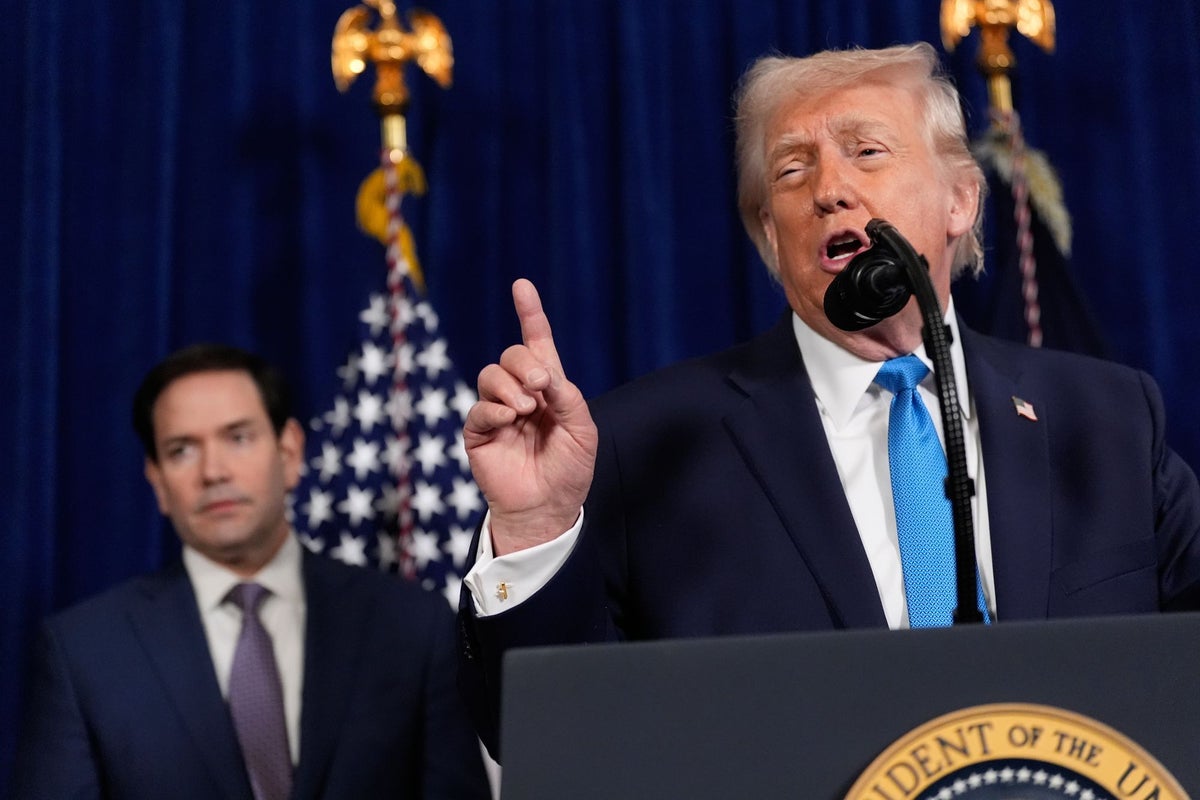
Unpacking the Trump Administration’s Greenland Gambit
Amidst the whirlwind of foreign policy controversies during his presidency, Donald Trump’s interest in Greenland—the world’s largest island—sparked heated discussions and raised eyebrows both domestically and internationally. From suggestions of military intervention to offers of financial compensation, the discussions surrounding Greenland have taken on a life of their own, evoking memories of old imperial ambitions.
Military Threats and Concerns
In a series of provocative statements, Trump and his administration hinting at the possibility of seizing Greenland by force unsettled not only the island’s inhabitants but also members of Congress and European allies. Critics have likened these threats to the imperialistic tendencies of authoritarian regimes, fearing that such rhetoric could undermine international treaties and stability. The notion of military intervention has triggered anxiety about the potential for escalating tensions not just in the Arctic but across global geopolitics.
The Pressure Campaign on Denmark
According to experts, the underlying strategy of the Trump administration appears to revolve around coercing Denmark into negotiations. The aim—whether overtly stated or implied—seems to be to press Denmark into selling Greenland or striking a lucrative deal that enables the U.S. to exploit the island’s vast natural resources. Skeptics have drawn parallels to Vladimir Putin’s aggressive strategies, asserting that such tactics evoke a form of Mafia-like extortion.
The Improbability of a Military Invasion
What would an armed takeover of Greenland even look like? Law scholars have denounced the idea as ludicrous, pointing out that Trump’s military fantasies lack any basis in reality. In reality, the U.S. already operates a Cold War-era military base on the island under a long-standing treaty, which gives U.S. forces sufficient latitude to conduct operations there. Critics argue that the administration is attempting to manufacture a crisis to justify an agenda that is, for all intents and purposes, already in place.
Greenland’s Struggle for Sovereignty and Self-Determination
Historically, Greenland has a complicated relationship with Denmark, having been colonized in 1721 and retaining Danish ties even as it exercises a degree of self-governance today. Indigenous Inuit people comprise nearly 90% of Greenland’s population, and they largely manage their domestic affairs. When Denmark refused the Truman administration’s purchase offer for the island back in 1946, it was emblematic of Greenland’s enduring struggle for self-determination.
Vice President JD Vance’s rhetoric during a recent visit—insisting that Greenlanders must determine their future—underscores the complex dynamics at play. Yet, public sentiment in Greenland remains largely against the idea of American annexation, complicating any potential U.S. influence campaigns.
Legal Boundaries and Negotiation Challenges
The concept of acquiring Greenland is further complicated by legal frameworks. International law stipulates that the will of the Greenlandic people and their government must be acknowledged in any such discussions. Experts affirm that attempting to sidestep these legal requirements would not only infringe on Greenlandic sovereignty but also set a dangerous precedent in international relations.
Can America Buy Greenland?
Despite the chaos surrounding military threats, speculation around the purchase of Greenland persists. The Trump administration has openly expressed interest in not just negotiating an agreement but is “actively” discussing a potential purchase. Yet, significantly, Danish officials have firmly shut down any discussions regarding the sale of the island. Historical context adds another layer to this narrative; back in the mid-20th century, Denmark declined an American offer that would equate to nearly $2 billion in today’s dollars.
Experts affirm that these proposals are mere fantasies. Greenland is not for sale, and any attempts to buy it without the enthusiastic consent of both the Greenlandic and Danish governments would have no legal grounding.
Military Invasion: A Catastrophic Scenario
The prospect of a military invasion looms large, should tensions escalate. Strategic military analysts suggest that U.S. forces could quickly take control of Greenland, likely facing minimal resistance. Although a swift military action might appear successful in the short term, the geopolitical ramifications would be catastrophic. The implications for NATO and international alliances would be profound, fundamentally altering global security dynamics.
Alliance Implications and NATO Response
NATO’s Article 5 clause obliges member states to defend each other, meaning a U.S. invasion of Greenland could spiral into larger conflicts. European leaders have collectively emphasized that security in the Arctic should be managed cooperatively, recognizing the sovereignty of Denmark and Greenland. Any unilateral military action could embolden authoritarian leaders worldwide, encouraging similar aggressive behavior toward neighboring nations.
Legally speaking, the Constitution requires congressional approval for acts of war. A military invasion aiming for imperial conquest, especially against an ally, would face intense scrutiny and opposition in Congress, further complicating the scenario.
In sum, the mix of military threats, potential negotiations for acquisition, and questions of self-determination paints a complex picture of Greenland’s future. As the Trump administration’s ambitions unfold, the world watches closely, aware that the stakes in the Arctic are higher than they might first appear.