


The Historical Legacy of Boycotts and Their Modern Implications
Introduction to Boycotting as a Tool for Change
Consumer boycotts have served as a powerful method for social change, particularly in combating racism in the United States. This rich tradition dates back to the 1930s, when grassroots movements led by African American organizations took a stand against workplace discrimination through campaigns such as “Don’t Buy Where You Can’t Work.” The New Negro Alliance, actively organizing protests against stores that discriminated against Black individuals, paved the way for early victories against segregation in retail environments.
Key Historical Boycotts: A Timeline of Resistance
The 1940s: Transportation and Employment Justice
During the 1940s, the National Negro Congress escalated the fight, focusing on transportation companies that refused to hire Black workers. In collaboration with Rev. Adam Clayton Powell, significant boycotts emerged against bus services that relegated African Americans to the least desirable jobs. This activism culminated in affirmative action policies, marking a pivotal moment in the history of labor rights.
The Montgomery Bus Boycott
The 1950s ushered in one of the most well-known boycotts: the Montgomery Bus Boycott. Following Rosa Parks’ refusal to give up her bus seat, communities rallied together under the leadership of Rev. Martin Luther King Jr. This year-long campaign saw the organization of carpools and taxis, ultimately leading to a Supreme Court ruling that deemed bus segregation unconstitutional, significantly challenging the Jim Crow laws.
Global Impact: The Free South Africa Movement
Boycotts transcended national borders with the Free South Africa movement, which targeted companies supporting the apartheid regime. By mobilizing students and cultural figures, this initiative pressured businesses to divest and contributed to the eventual dismantling of apartheid in the 1990s.
The Role of Labor in Boycotts
United Farm Workers: Grapes and Lettuce Strikes
The 1965 boycott of California grapes by the United Farm Workers (UFW), comprised of Filipino and Latino workers, demonstrated labor’s significant role in boycotts. This grassroots effort galvanized public support, leading to better wages and working conditions for farmworkers. Similarly, associated strikes, like the lettuce boycott, led to monumental victories, including the passage of the California Agricultural Labor Relations Act in 1975.
Corporate Participation and Backlash
Modern Corporate Responses
Fast forwarding to today, we see a resurgence of corporate involvements in political landscapes that often undermine social justice initiatives. For instance, major corporations like Target have faced intense scrutiny after donating significant sums to political figures who push regressive agendas. This has prompted a historic boycott, particularly among Black communities feeling betrayed by such corporate decisions.
The Rise of the Target Boycott
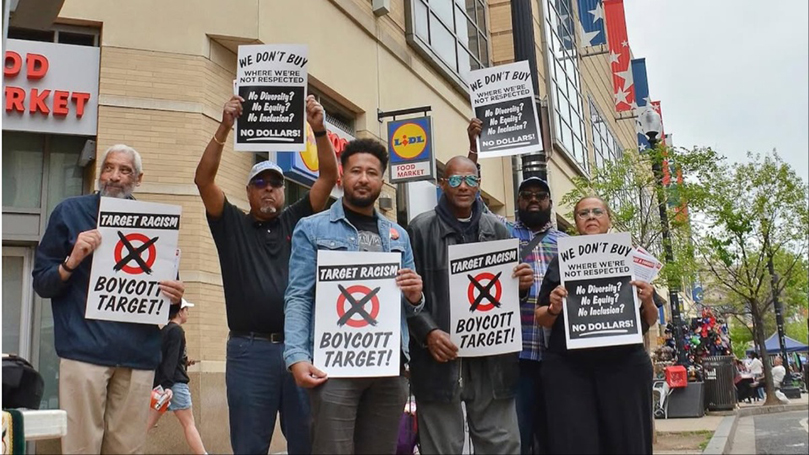
In 2025, the Target boycott gained momentum, led by local grassroots coalitions and noteworthy Black leaders. This movement focuses on demanding substantial investments in Black communities and restoring diversity commitments within corporate structures. The grassroots organizing led to a notable decline in Target’s stock and significant public engagement in this cause.
The Impact of Corporate Politics on Civil Rights
The Retreat from Diversity, Equity, and Inclusion
The recent pushback against DEI initiatives by corporations highlights a broader pattern of civil rights rollbacks. This inability to support civil rights has increasingly impacted self-governance in places like Washington, D.C., where local statutes have been undermined by higher political forces. The repeal of several policies aimed at police accountability is just one example of how current political trends are threatening the hard-fought gains of the Civil Rights Movement.
The Role of Community Organizing
Despite the challenges, organizing efforts like the Target boycott have united communities in a focused resistance against these political and corporate policies. Coalitions comprising Black clergy and community organizers have actively engaged in visible actions, demonstrating that the collective voice of the people can drive serious corporate reform.
The Interplay Between Labor and Community Movements
Labor’s Resurgence in Solidarity
The American Federation of Teachers (AFT) was among the first major unions to publicly endorse the ongoing Target boycott, symbolizing a refreshing alliance between labor movements and civil rights causes. This return to solidarity urges a broader coalition reminiscent of earlier efforts during pivotal moments in U.S. history, where labor movements significantly contributed to social justice advancements.
Addressing Modern Challenges
Navigating Current Political Landscapes
As MAGA policies pose renewed threats to civil rights, the fight becomes not just a battle against corporate irresponsibility but also against systemic oppression. The goals of modern activism must include restoring DEI initiatives while simultaneously reinforcing labor rights and protections for marginalized communities. The historical lessons gleaned from past boycotts underscore the power of organized resistance in times of political turmoil.
The Significance of Clear Demands
Successful movements require clearly articulated goals. Current efforts must expand and include demands such as reinstating DEI across all sectors, protecting immigrant communities from hostile political actions, and reinforcing labor rights. By focusing on cohesive strategies infused with urgency and clarity, movements can catalyze the necessary changes in today’s challenging political landscape.
Conclusion
The evolving nature of boycotts illustrates their enduring relevance and effectiveness as a strategy for social change. As modern movements forge connections between labor, community, and civil rights, they remind us of the power wielded when individuals unite for a common cause. The tapestry of American history is embroidered with such acts of resistance, continually inspiring new generations to fight against injustice.