


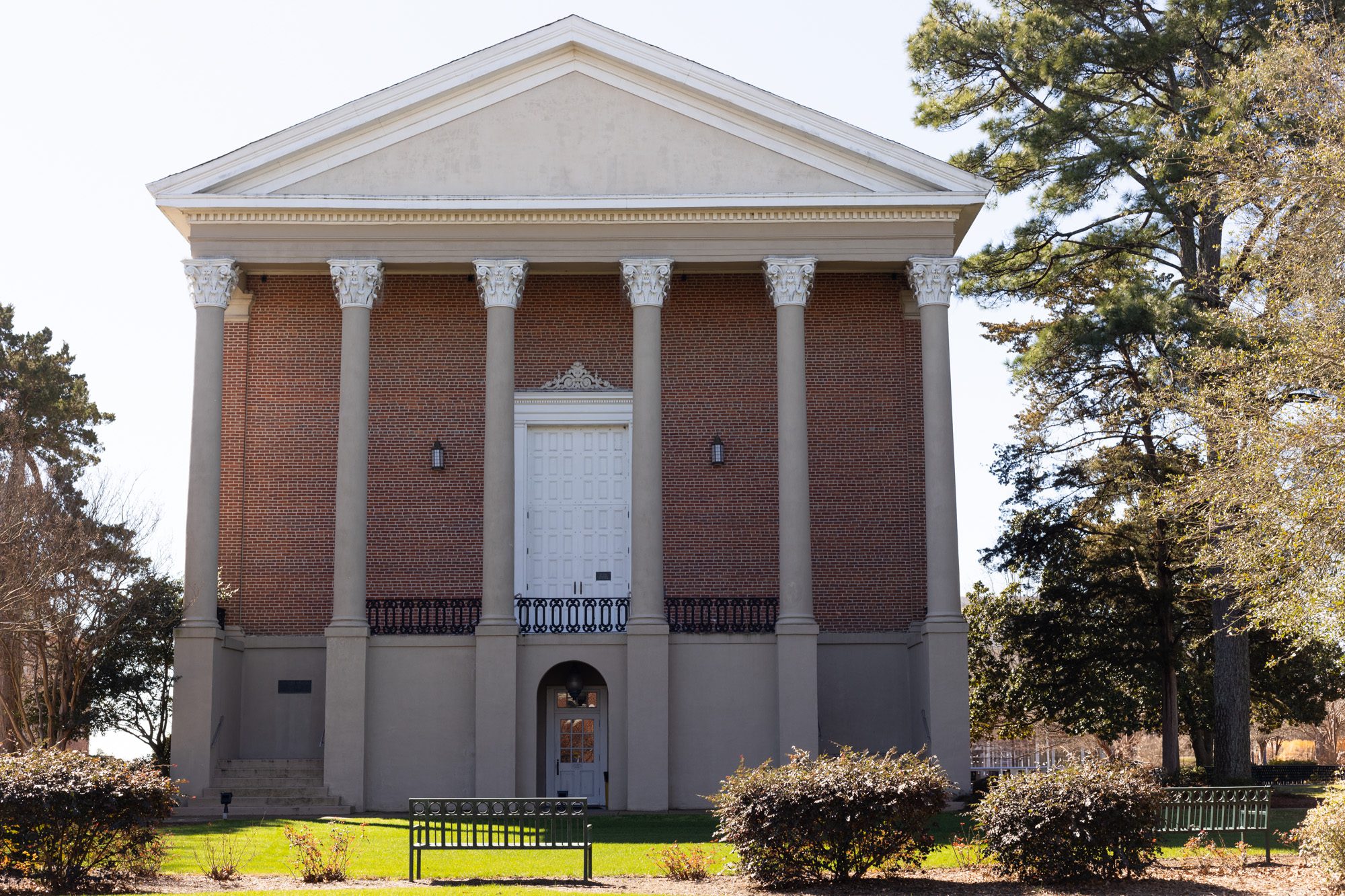
Provine Chapel, Clinton, Hinds County (Photo from MDAH)
Mississippi’s Rich Historical Landscape
Mississippi is a state steeped in history, with a remarkable 1,534 listings in the National Register of Historic Places. These listings range from grand plantations to modest homes, each telling a unique story about the state’s diverse past.
Newly Listed Sites in 2025
Recently, the Mississippi Department of Archives and History (MDAH) announced that fifteen sites were newly added to the National Register for 2025. Each site offers a glimpse into various cultural, architectural, and historical milestones in the state.
John R. Lynch Street Civil Rights Historic District
One of the notable sites is the John R. Lynch Street Civil Rights Historic District in Jackson, Hinds County, designated on January 16. This district played a vital role in the Civil Rights Movement during the 1950s and 1960s. It includes buildings like the former state office of the Council of Federated Organizations (COFO) and the M. W. Stringer Grand Lodge, where pivotal events like Freedom Summer 1964 were organized.
Whitehead & Lloyd Motor Company
Another significant listing, recorded on January 22, is the Whitehead & Lloyd Motor Company. Established in 1945, this dealership reflects the Art Moderne architectural style, encapsulating the optimism of post-war America and its automotive industry. It remains the only intact dealership from the historic automobile row on State Street.
Holly Bluff on the Jourdan Historic District
Found in Bay St. Louis, the Holly Bluff on the Jourdan Historic District was registered on January 30. This area is celebrated for its beautifully designed landscape gardens intended for public enjoyment and includes Rustic-styled buildings that offer a serene escape along the Mississippi Gulf Coast.
Expanding Historical Narratives
The Tupelo Downtown Historic District also underwent an expansion, adding to its previous recognition in 2014. This extension, proposed on January 30, covers commercial and industrial architecture dating back from the late 19th century to the mid-20th century, enriching the story of the evolving American South.
Educational and Cultural Landmarks
Significant educational sites have also been recognized, such as the J. W. Randolph School in Pass Christian, registered on February 19. This building, established in 1927, housed the only public high school for black students in the area before desegregation. It stands as a testament to the struggles and advancements in education for African Americans.
Similarly, Walker High School, constructed in 1954, served as an Equalization school. It is a crucial part of Mississippi’s educational history, embodying the complexities surrounding segregation and civil rights.
Preserving the Past
The Holmesville Historic District, recognized on March 13, was the first county seat of Pike County, featuring a street grid system characteristic of early 19th-century Mississippi towns. Through this nomination, the historical framework of governance in early Mississippi is preserved and highlighted.
On April 1, the Raymond House in Verona was recognized for its Gothic Revival architecture, further representing the diverse architectural heritage of the state.
Rural and Urban Remnants
In addition to urban landmarks, rural structures play a crucial role in Mississippi’s history. The J. W. Crawford and Co. General Store, listed on June 18, and the Mitchell & McLendon General Merchants, recognized on September 23, both showcase early 20th-century commercial designs, underscoring the importance of these establishments in their communities.
Conclusion to the Journey
Mississippi’s rich historical narrative is actively preserved and celebrated through the National Register of Historic Places. Each listing is not just a reflection of the past but also a guide for future generations to engage with the state’s multifaceted story. The MDAH plays a pivotal role in evaluating and approving these sites, ensuring the legacy of Mississippi’s history continues to be recognized and appreciated.