


UCLA Football Coaching Shake-Up: A Deep Dive into Recent Changes
The coaching landscape at UCLA underwent significant turbulence on Tuesday, September 30, following the mutual departure of offensive coordinator Tino Sunseri. This change marks a crucial moment for the Bruins as they navigate the aftermath of their coaching shake-up initiated with the dismissal of head coach DeShaun Foster on September 14.
Tino Sunseri’s Departure
Tino Sunseri has officially left his role as UCLA’s offensive coordinator. His exit adds to the tension surrounding the program, especially after the recent firing of DeShaun Foster. Sunseri’s tenure was short-lived and stymied by an ineffective offensive performance. Under his guidance, the Bruins have struggled, averaging a mere 14.2 points per game, placing them at 132nd among FBS teams—barely edging out Northern Illinois and UMass.
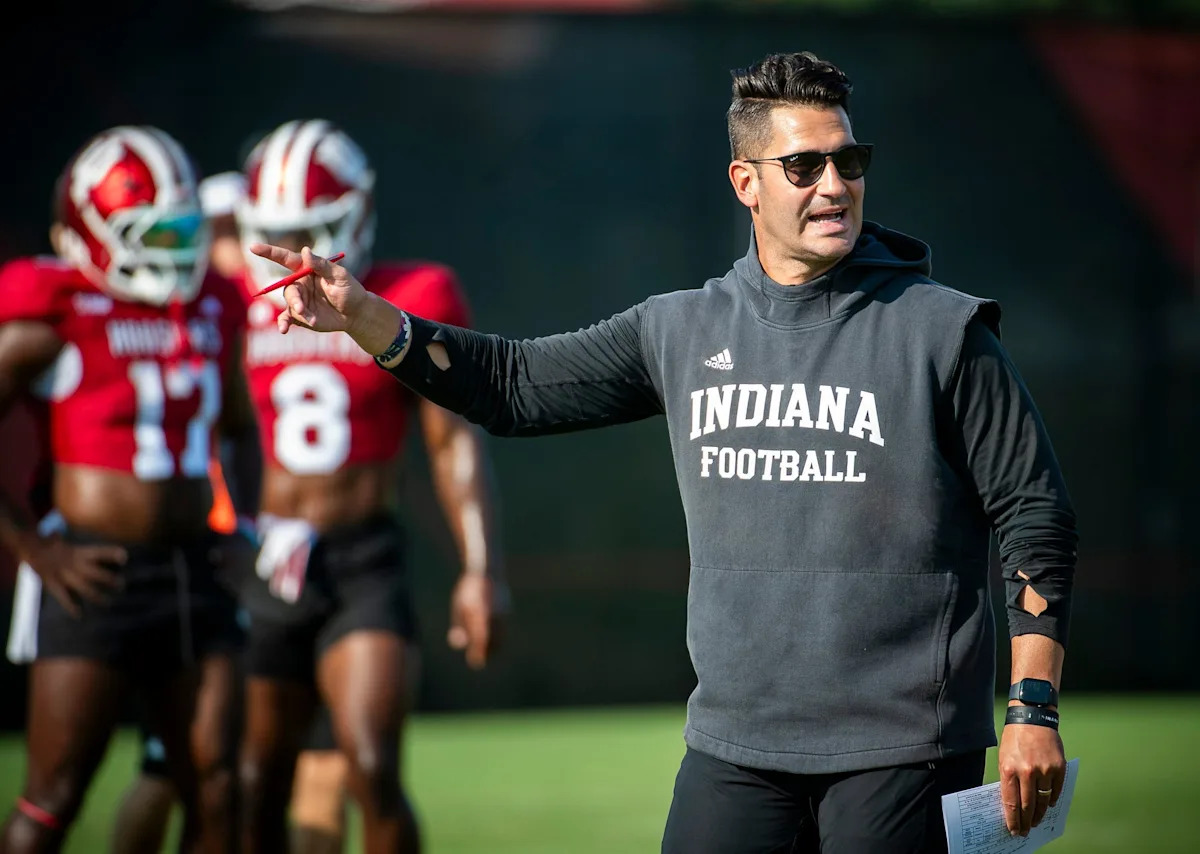
This disappointing performance starkly contrasts with Sunseri’s previous success as co-offensive coordinator at Indiana, where he contributed to an offense that averaged an impressive 47.8 points per game and secured a spot in the College Football Playoff during the 2024 season.
The Subsequent Moves
Following Sunseri’s departure, the team announced that tight ends coach Jerry Neuheisel will take over the play-calling duties for the upcoming game against No. 6 Penn State on October 4. Neuheisel, a familiar face on the UCLA coaching staff, will be thrust into a high-pressure situation, needing to quickly adapt and devise a new strategy to reinvigorate the Bruins’ offense.
Additionally, the Los Angeles Times reported that former UCLA offensive coordinator Noel Mazzone will step into an analyst role. Mazzone’s familiarity with the program could prove advantageous as the Bruins look to stabilize their coaching staff.
Challenges Ahead for UCLA
UCLA’s offensive woes extend beyond just coordinator changes. With an average of 321.2 yards per game, the offense ranks 117th nationally. This lack of production raises pressing questions regarding the team’s overall strategy and player utilization. The Bruins had hoped that enhancements, such as the transfer of quarterback Nico Iamaleava from Tennessee, would provide a spark. However, results on the field have yet to materialize.
The upcoming games will be telling for Neuheisel’s new offensive scheme. UCLA is slated to face Indiana on October 25, adding an intriguing storyline considering Sunseri’s former role there under head coach Curt Cignetti. By then, the effectiveness of Neuheisel’s play-calling should be clearer as the Bruins seek to reclaim their identity on the field.
A Broader Context
The departures of both Sunseri and defensive coordinator Ikaika Malloe earlier in September emphasize a critical transitional phase for UCLA football. The coaching changes suggest significant internal evaluations are occurring as the program aims to rebuild and restore its competitive edge. Athletic Director Martin Jarmond faces a pivotal task: ensuring that the new leadership aligns with the institutional goals and revitalizes team performance.
The current situation also invites speculation among fans and analysts regarding potential future candidates for the vacant positions. There remains great interest in who will eventually fill these ranks and what kind of structural vision they will bring to the program.
As the UCLA Bruins navigate this transition, the spotlight will be on Neuheisel and the coaching staff to see how well they can turn the tide, address their offensive inefficiencies, and ultimately position the program for future success. The coming weeks will be crucial not only for performance on the field but also in shaping the long-term trajectory of UCLA football.