


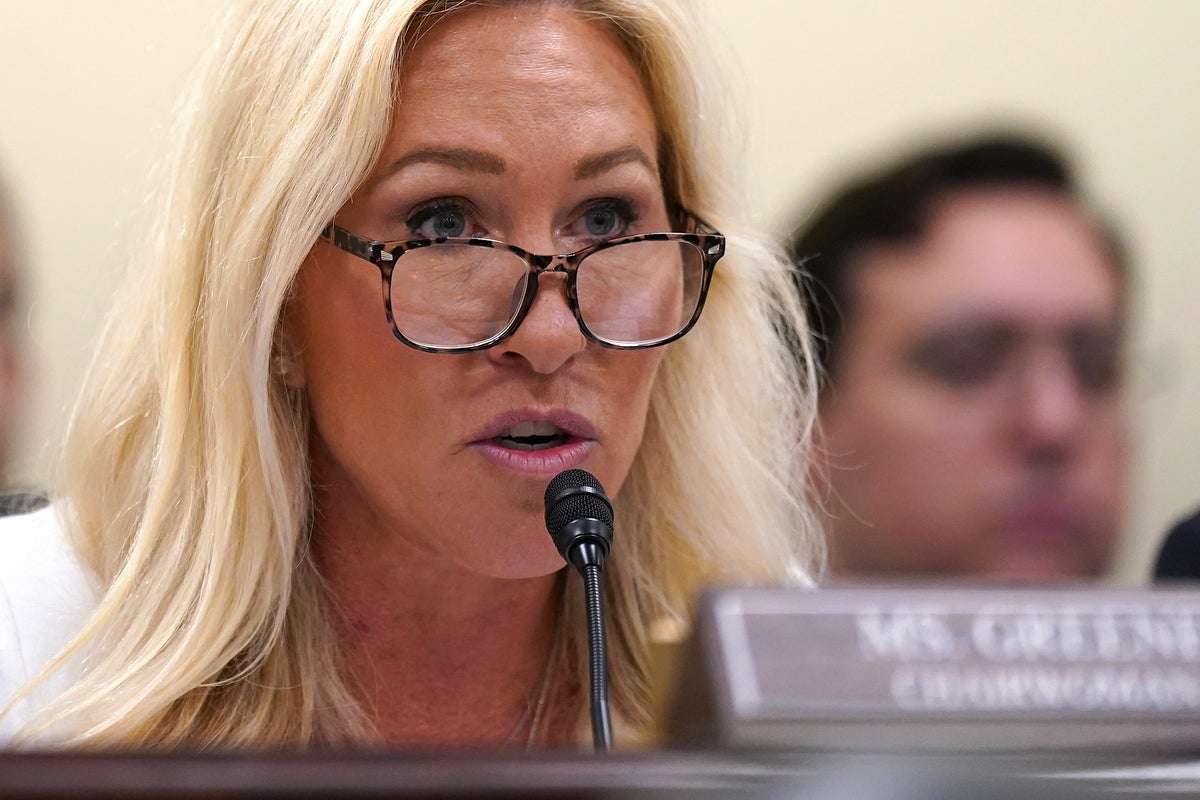
Marjorie Taylor Greene’s Resignation: A Closer Look
Background
Marjorie Taylor Greene, a controversial figure in American politics, recently announced her resignation from Congress, citing personal and political disillusionment. Her statement reflected frustration not only with her party but also with the broader political landscape. Greene emphasized that she feels like a “battered wife” within a political environment that perpetuates division and dissatisfaction.
A Shift in Allegiance
Greene’s resignation comes after a notable rift with former President Donald Trump. Once a staunch ally, Greene publicly diverged from Trump on key issues, particularly healthcare affordability. This shift has been significant enough to catch the attention of political analysts and the general public alike, as she has been vocal about her criticism of the GOP’s response to pressing issues.
Representing the Common American
Throughout her tenure, Greene has portrayed herself as a representative of the “common American.” Her rhetoric resonates with constituents who feel sidelined by traditional political narratives. She has consistently framed her political career as a fight against a “Political Industrial Complex” that she believes betrays everyday Americans. Her empathetic connection to her base is notable, reflecting a common sentiment of disillusionment with the status quo.
Legislative Challenges
Greene’s resignation highlights her beliefs about legislative stagnation. She criticized the lack of proactive measures in Congress, particularly regarding healthcare reform. This critique points to a failure of both parties to respond adequately to the needs of their constituents, leading her to express anger at her own party for failing to act decisively. Greene argues that the legislative process has become mired in drama rather than focused on substantive policy solutions.
Contentious Political Longevity
The congresswoman also addressed the harsh realities of political life, including threats and personal attacks she has endured. She claims that her loyalty to Trump has often been met with hostility, especially from those within the GOP establishment who she feels do not truly represent the interests of everyday Americans. Greene’s experiences reflect broader challenges faced by many politicians who align themselves with populist sentiments while navigating party politics.
A Desire for Accountability
Despite her resignation, Greene stresses the importance of accountability within the Republican Party. She indicated that her motivations have stemmed from a desire to uphold the promises made to the people. This underlines the tension between party loyalty and the responsibility of elected officials to their constituents. Greene has called for term limits and has expressed that Congress should not be viewed as a lifelong career.
An Advocacy for Empowerment
In her resignation announcement, Greene articulated a vision where the power remains with the American people rather than a detached political elite. She believes that true change can occur only when citizens reclaim their influence over Washington. This call for empowerment reflects a growing trend among political figures who wish to connect more authentically with their supporters.
Closing Thoughts
Greene’s resignation marks a significant moment in U.S. politics as it underscores the challenges and complexities facing representatives who advocate for change from within a system perceived as flawed. Her commitment to her base and her critique of both parties serve as a reminder of the ongoing struggles within American political discourse, highlighting a divided landscape that resonates with many voters.