


National Guard Deployment to New Orleans: A Federal Response to Local Crime?
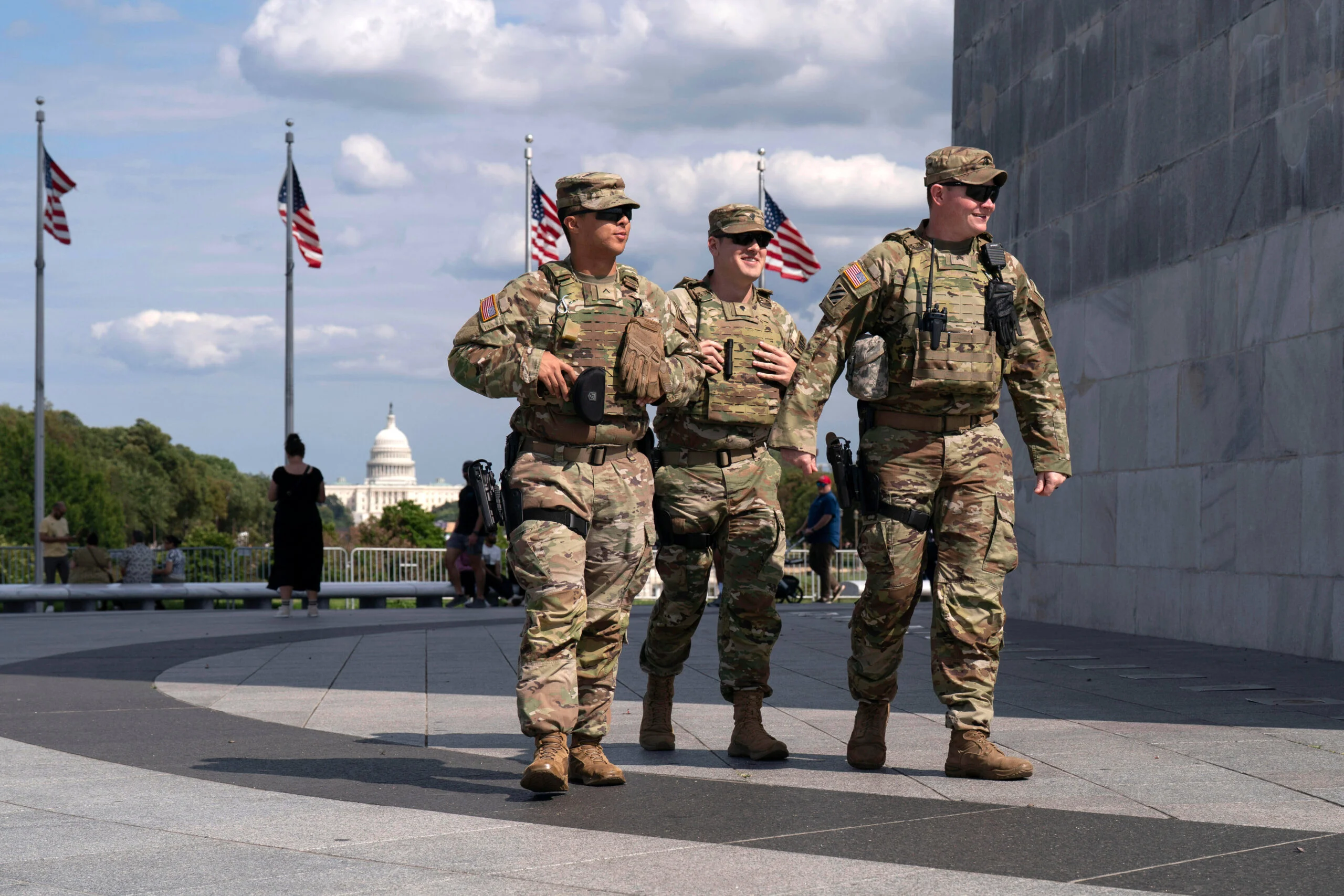
In a recent announcement, President Donald Trump revealed that National Guard troops are slated to arrive in New Orleans, aiming to bolster efforts against rampant crime in the city. This deployment coincides with a broader immigration crackdown nicknamed “Swamp Sweep,” which is expected to start this week. The juxtaposition of these two actions leaves many locals questioning the necessity and implications of federal forces on their streets.
The Request for Troops
Louisiana’s Republican Governor Jeff Landry had previously asked the Trump administration for up to 1,000 troops to assist in combating crime, emphasizing heightened concerns about public safety in New Orleans, Baton Rouge, and Shreveport. Landry stated his anticipation that the National Guard would be in New Orleans before the Christmas season, although no specific timeline or number of troops has been confirmed by the administration.
During a Cabinet meeting, Trump praised Landry, framing the deployment as a supportive measure in response to a governor seeking help in a city facing challenges. This alignment between state and federal governments showcases the ongoing collaboration, albeit contentious, concerning law enforcement in Louisiana.
Crime Rates and Public Perception
Governor Landry argues that the deployment is necessary due to what he describes as “elevated violent crime rates.” Despite his assertions, some local police officials have reported a decrease in crime in recent months, leading critics to question the validity of Landry’s claims. In fact, New Orleans is on track to experience one of its safest years in decades, a stark contrast to its previous reputation as the “murder capital of the country” with 266 murders reported in 2022 alone.
With crime rates dropping significantly since those peak years, opponents of the troop deployment suggest that the presence of federal forces may not only be unnecessary but also may disrupt community-police relationships that have taken years to build.
Political Reactions and Concerns
The federal troop deployment has drawn heated responses from various local leaders and community members. Mayor-elect Helena Moreno expressed concerns that an influx of National Guard personnel may exacerbate tensions and lead to violations of residents’ rights, particularly amidst a looming immigration crackdown.
Outgoing Mayor LaToya Cantrell, facing her own legal troubles, noted that while the city is open to federal cooperation to enhance safety, there must be assurances regarding the conduct of those deployed. Meanwhile, a spokesperson emphasized that New Orleans has historically worked well with state and federal law enforcement agencies.
Further criticism came from U.S. Rep. Troy Carter, who condemned the plan as a “political stunt” rather than a genuine solution to crime. Carter stressed that militarized forces may not be well-equipped to understand or navigate the local dynamics, potentially instigating fear and confusion among residents.
Broader Context of Crime Across Louisiana
In addition to New Orleans, neighboring cities like Baton Rouge and Shreveport are grappling with their own crime issues. Baton Rouge’s Republican Mayor Sid Edwards mentioned that additional assets could provide “much-needed boots on the ground” during a time of police shortages, while Shreveport’s leadership, though experiencing a decline in violent crime, remains open to collaboration.
The introduction of National Guard troops in Louisiana comes amid similar actions taken in other cities across the nation, including Los Angeles, Portland, and Washington, D.C., often facing opposition from local democratically controlled governments.
Cultural and Community Implications
One of the critical aspects of this deployment is its potential impact on New Orleans’s rich cultural tapestry. Many residents fear that the presence of National Guard troops could disrupt cherished traditions, such as the vibrant brass band parades known as second lines. The city’s unique cultural practices are intricately tied to community identity, and any perceived threat to them could breed resentment and distrust among locals.
With debates swirling around the necessity, effectiveness, and societal impact of such a federal intervention, the true outcome of the National Guard’s presence in New Orleans remains uncertain. As the situation evolves, the intertwined narratives of safety, governance, and community ethos continue to unfold in this storied city.