


The Cultural Controversy Surrounding “Jingle Bells”
A recently shared video by Joy Reid has ignited a spirited debate about the origins of the classic holiday tune “Jingle Bells.” The video, created by social media content creator Khalil Greene, asserts that the song has racist undertones deeply rooted in its history. This claim has sparked discussions not just about the song itself but also about the broader implications of cultural traditions in America.
The Origins of “Jingle Bells”
Published on December 14, 2025, the discourse surrounding “Jingle Bells” is more than a mere nostalgic look back at a beloved Christmas carol. In his video, Greene delves into the song’s historical context, tracing it back to its composer, James Lord Pierpont. The narrative begins with Pierpont’s ties to the minstrel entertainment period of the 19th century, a time when songs were not just music but social commentaries reflecting the racial dynamics of the era.
Greene’s analysis sheds light on how “Jingle Bells” was originally performed. The tune debuted publicly in 1857 at Ordway Hall in Boston, during a minstrel show—a theater performance that featured white entertainers in blackface, perpetuating harmful stereotypes of Black individuals. This historical backdrop lends credence to Greene’s claims, making it a focal point in understanding the song’s derogatory connection.
Historical Context: Minstrelsy and Its Impacts
Minstrel shows were a staple of American entertainment in the 19th century, often characterized by performances that caricatured Black life. Historians, such as Kyna Hamill, have documented these performances and their lasting impacts on American music and culture. Hamill states that “Jingle Bells” was not only written during this troubling time but was also performed within an environment fraught with racial discrimination and caricature.
In her research published in the peer-reviewed journal Theatre Survey, Hamill articulates how the song’s debut in blackface minstrel performances illuminates its complex and problematic legacy. This reveals that “Jingle Bells,” often seen as innocuous holiday cheer today, is intertwined with a cultural history that cannot be overlooked.
The Role of Joy Reid in the Discussion
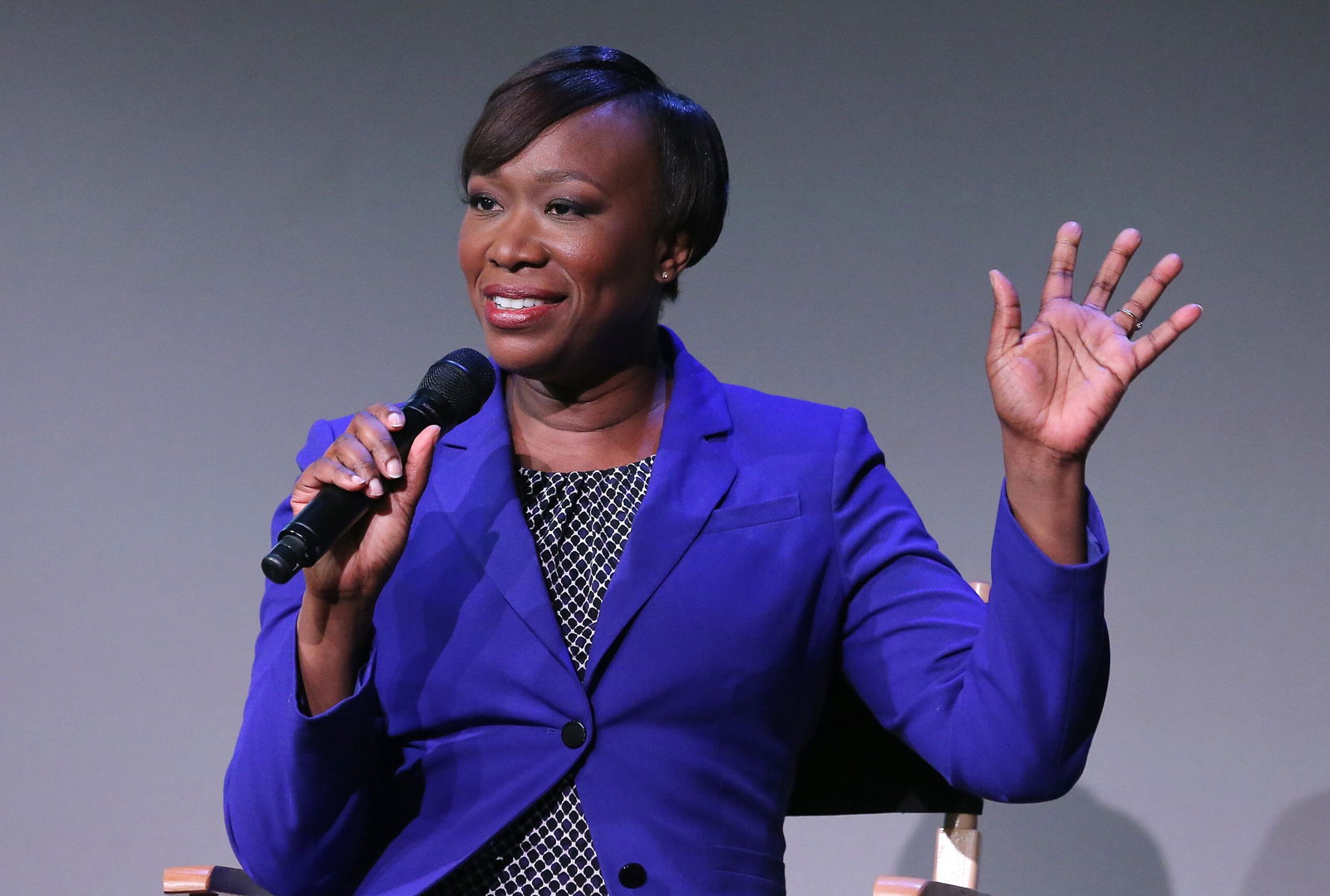
While Joy Reid becomes a figure in this conversation, it is crucial to note that she is primarily amplifying Greene’s insights rather than originating them. Many headlines have attempted to place Reid at the forefront of this “attack on Christmas,” but the real focus should be on the historical context and individual narratives brought forth by Greene’s video.
This viral moment highlights how the perception of cultural symbols can evolve. Greene’s efforts serve as a prompt for society to revisit and reconsider familiar tunes and traditions, challenging us to reckon with the past rather than gloss over it.
Modern Implications of Historical Songs
It’s essential to clarify that Greene’s video does not argue that contemporary performances of “Jingle Bells” are inherently racist. Instead, it contextualizes the song within its origin, recognizing that Pierpont’s other works contain racially charged language and ideas reflective of a bygone era.
The discussion ignited by Greene’s video underscores a larger societal issue: how cultural artifacts, like songs, carry the weight of their histories. As holiday songs resurface each season, it becomes vital to engage with their complex legacies, understanding their roots and what they convey today.
Ongoing Conversations
The revival of discussions around “Jingle Bells,” particularly during the festive season, shows how cultural narratives can resurface and gain new meaning. While Hamill’s research has circulated periodically, Reid’s involvement has brought renewed attention, emphasizing the importance of dialogue around race and cultural heritage.
As we navigate through these conversations, one thing is clear: the cultural significance of songs and traditions continues to evolve. Engaging with their histories allows for richer, more informed celebrations that acknowledge the complexities of the past while shaping a more inclusive future.
Related Content
More intriguing insights can be found in the discourse surrounding the portrayal of Black figures in holiday traditions, such as the emergence of Black Santa—an inclusive figure that redefines holiday storytelling for countless communities today.
By examining both the lyrics of “Jingle Bells” and the stories we tell around the holidays, we can build a more comprehensive understanding of our shared cultural heritage.
This article provides a structured look into the evolving interpretations surrounding “Jingle Bells,” illustrating how historical context plays a pivotal role in shaping our understanding of culture today.