


The Tensions of Cultural Compatibility: A CNN Exchange
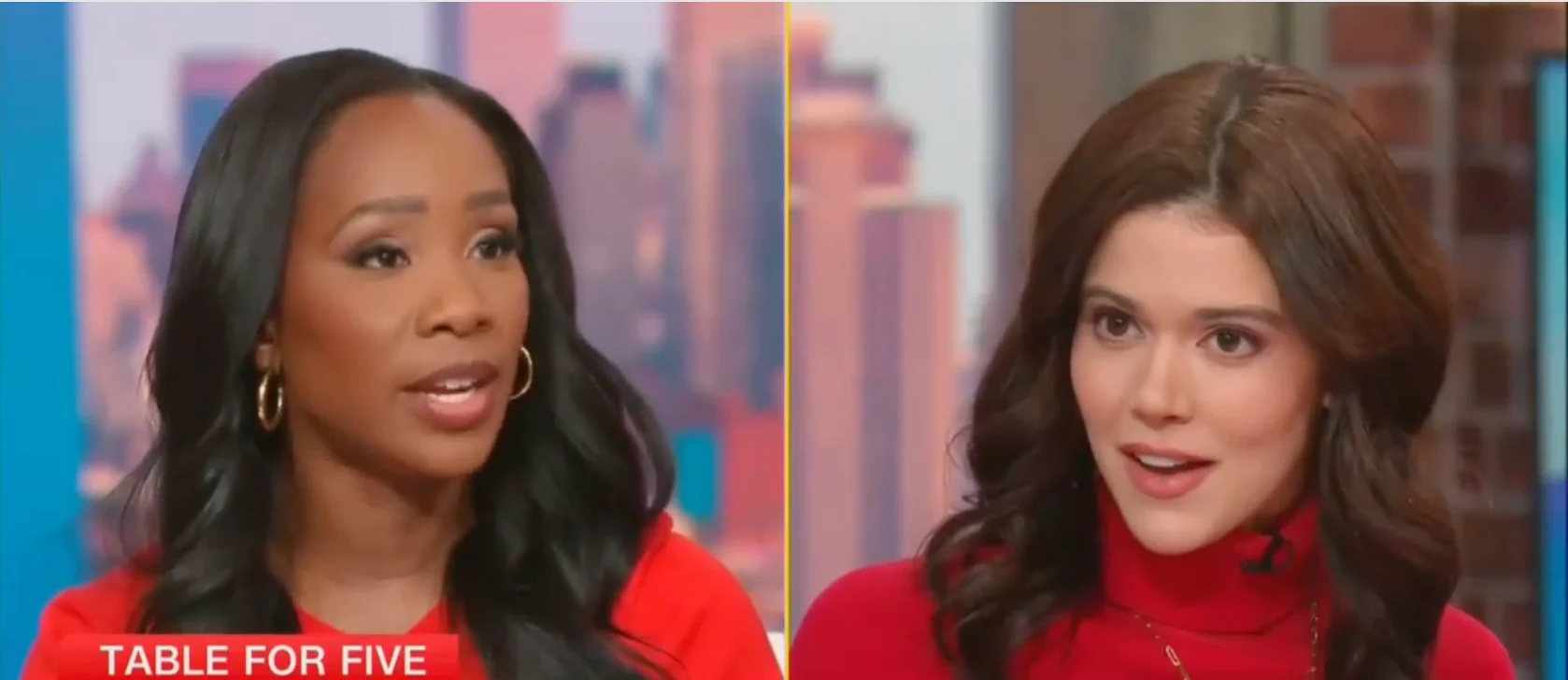
In a heated segment of CNN’s “Saturday Morning: Table for Five,” discussions surrounding immigration took a contentious turn. Anchor Abby Phillip confronted New York Post correspondent Lydia Moynihan when the conversation veered toward the idea that some cultures might not be compatible with the United States. This moment highlighted not just differences in opinion but sparked a national dialogue about culture, immigration, and the complex interplay between them.
The Inciting Remarks
The exchange unfolded following renewed controversies stemming from comments by President Donald Trump, who had made derogatory remarks about immigrants from certain countries. As Moynihan echoed sentiments around cultural incompatibility, Phillip pressed her to clarify her stance. The underlying question was crucial: what does it mean to categorize cultures as incompatible, and who gets to decide?
A Challenging Inquiry
Phillip’s persistence in seeking clarity was notable. “Which ones?” she asked repeatedly, urging Moynihan to specify the cultures she deemed problematic. This was not merely a question of semantics; it tapped into a broader societal concern regarding the dehumanization of individuals fleeing difficult circumstances.
Moynihan pointed to Europe as an exemplar of cultural clashes, citing crime rates and troubling cases within immigrant communities. She contended that perceptions of cultural differences pose genuine risks to societal cohesion, stating, “There’s a real question that people on the right have about certain cultures.”
Cultural Stereotypes and Generalizations
In her defense, Moynihan referenced an argument made by a lawyer regarding an Afghan immigrant accused of sexual assault, alluding to broader issues surrounding gender norms in different societies. This remark reflected a dangerous tendency to generalize an entire culture based on the actions of individuals. When pressed by Phillip to name specific cultures, Moynihan fell back on wide-ranging stereotypes, mentioning practices like female genital mutilation but failing to tie them to a particular community accurately.
The dialogue illustrated how quickly discussions of culture can devolve into harmful stereotypes, where entire groups are judged based on the actions of a few. Phillip’s inquiries spotlighted this issue, emphasizing the necessity for nuance in such conversations.
A Personal Narrative of Migration
The discussion deepened when Rep. Jared Moskowitz (D-FL) shared his family’s history. Recalling how his grandparents fled Europe during the Holocaust, he pointed out that their Jewish culture was once deemed incompatible with American society. This poignant reminder of past injustices underscored the dangers of viewing immigration through a lens of cultural purity.
Moskowitz’s heartfelt mention of history resonated as he highlighted that cultural judgments can have real consequences for those seeking refuge. “That was not okay then and it’s not okay now,” he asserted, reminding viewers of the moral imperative to assess cultural discussions with compassion and context.
The Importance of Nuanced Discussions
The dialogue opened by Phillip and Moynihan emphasized the critical need for depth and thoughtful reasoning in conversations about culture and immigration. Making sweeping generalizations serves only to dehumanize individuals who run away from violence and persecution, reducing their complex experiences to mere statistics or stereotypes. Phillip’s repeated calls for clarity challenged the panel to provide substance and context behind broad claims.
In a nation proudly built on immigrant dreams and diverse contributions, discussions about cultural values should reflect the complexities of human experiences rather than reductive categorizations. This segment serves as a reminder that conversations about culture and immigration must engage meaningfully with the realities of those affected, encouraging richer dialogue free from undue generalizations.