


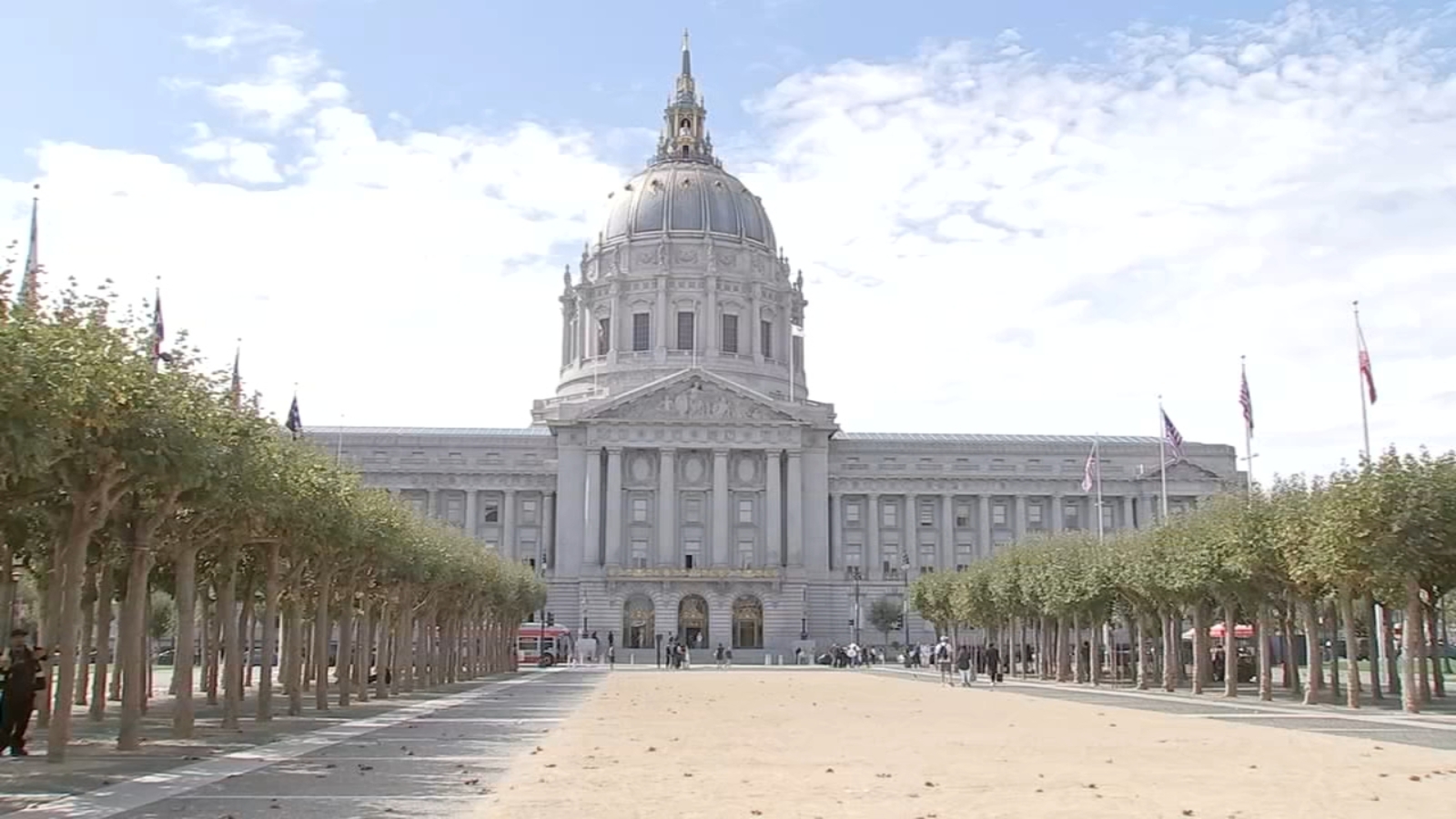
The Push for Reparations in San Francisco: A New Chapter
Reparations for Black San Franciscans have gained renewed momentum following a recent decision by the Board of Supervisors. On Tuesday, they passed an ordinance aimed at establishing a fund to address historical injustices inflicted by discriminatory city policies. This initiative is a significant step in acknowledging the systemic racism that has shaped the lives of Black residents in the city.
A Framework for Future Contributions
One noteworthy aspect of this new ordinance is its approach to funding. Unlike previous proposals that sought immediate city funding, the current measure does not allocate any initial dollars. This decision appears to have garnered support from moderates within the board, particularly in light of ongoing city budget challenges. Instead, the ordinance lays out a framework for future contributions, which could come from city appropriations or private donations. This strategic move is designed to pave the way for financial support without putting undue pressure on the city’s budget in the short term.
Insights from Supervisor Shamann Walton
Supervisor Shamann Walton, who authored the ordinance, emphasizes that this initiative represents a “major first step” toward reparations. He noted that building the fund will take time and that the city needs to develop appropriate criteria for prioritizing recommendations from the African American Reparations Advisory Committee. Walton’s insights reflect an understanding that patience and careful planning are essential in this monumental endeavor.
The Advisory Committee’s Vision
The momentum for reparations has been fueled by years of work from the African American Reparations Advisory Committee. In March 2023, the committee released a comprehensive draft proposal featuring more than 100 recommendations. These suggestions are ambitious, including lump-sum payments of $5 million to qualifying Black adults, guaranteed annual incomes of $97,000, and affordable housing options, such as homes available for just $1.
Historical Context: Disinvestment in Black Neighborhoods
The committee’s recommendations underscore a long history of systemic disinvestment in predominantly Black neighborhoods, particularly the Western Addition and Fillmore districts, which began in the 1950s and continued through the early 1970s. This disinvestment led to the mass displacement of Black families without compensation, contributing to a significant decline in the city’s Black population. Today, Black residents make up only about 5% of the total population but account for roughly 37% of those in shelters or experiencing homelessness.
Personal Narratives: The Impact of History
Committee member James Taylor, a descendant of enslaved individuals, articulates the emotional weight of this proposal. He speaks to the need for social repair for the communities affected by these longstanding policies. Taylor reflects on the generational impacts of inequality, noting the void left by the economic struggles of his ancestors. His perspective emphasizes that the ramifications of systemic racism are not just historical but continue to affect families today.
Criteria for Eligibility and Distribution
If this reparations fund gains adequate support, it may provide reparations to Black residents who can demonstrate harm from city-sanctioned policies or those with familial ties to U.S. slavery. This raises critical questions regarding how to fairly allocate funds, a concern that has sparked debate among critics who question the economic feasibility and the mechanisms of distribution.
The Challenge of Funding
Despite the excitement around the ordinance, Supervisor Walton acknowledges that securing funding remains a central challenge. However, he remains optimistic about sourcing contributions from foundations, corporations, and private individuals. The ordinance, he insists, establishes the structural elements needed to move forward, even without immediate financial resources.
This initiative marks a pivotal moment in San Francisco’s ongoing dialogue about racial justice and reparations. As the city navigates the complexities of history, funding, and community impact, the efforts to address past injustices continue to unfold.