


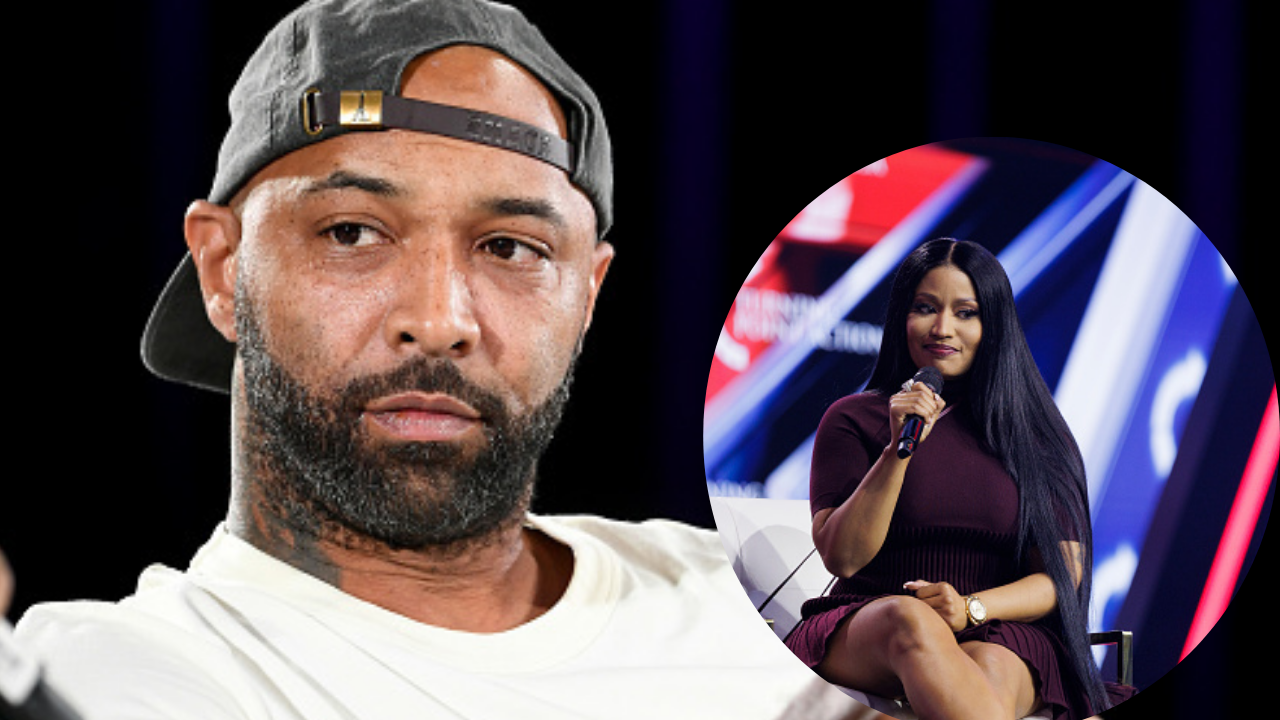
Joe Budden Cuts Ties with Nicki Minaj: A Deep Dive into Celebrity and Political Alignments
Joe Budden, the prominent podcaster and rapper, has declared he is “done” with Nicki Minaj, a statement that reverberated through the hip-hop community and beyond. This bold proclamation came in the wake of Minaj’s recent appearance at a Turning Point USA event, where she openly discussed her political beliefs and alignment with a conservative organization. Budden’s strong reaction highlights the complexities of celebrity influence in political discourse, particularly within the hip-hop culture.
The Turning Point USA Appearance
Minaj’s participation at the Turning Point USA’s AmericaFest made waves not just for her celebrity status but also for the controversial topics she addressed. During her appearance, she engaged in conversations about culture and politics, receiving backlash almost immediately. The event sparked a broader debate online, particularly among hip-hop fans and commentators, about the implications of celebrities aligning themselves with politically charged organizations.
Budden’s Reaction
On a recent episode of The Joe Budden Podcast, Budden expressed his dismay at Minaj’s actions, framing it less as a simple disagreement and more as a fundamental clash of values. He articulated that this shift in Minaj’s public persona had irrevocably changed how he perceives her and her role within the culture. Budden stated, “I’m done,” signaling a finality in his relationship with the rapper, and advised her not to reach out moving forward.
Values Over Disagreements
What resonates strongly in Budden’s comments is his assertion that celebrity actions have implications on public perception. He emphasized that Minaj’s choice to appear at the event felt incompatible with the ethical and cultural principles that hip-hop should embody. “Sometimes how y’all move around out there does have an effect on how I view you,” he insisted, suggesting that public figures must consider the ramifications of their affiliations.
A Conflicted Legacy
Budden further articulated his confusion over Minaj’s stance at a politically conservative event, particularly given her previous audience and the messages she’s championed. The contrast between her public persona and the sentiments espoused at AmericaFest left him and many others bewildered. He questioned the inconsistency and identified it as fundamentally perplexing, particularly in relation to her fans who have supported her through various phases of her career.
Co-Hosts Weigh In
Co-hosts on the podcast, Richard “Parks” Vallely and Marc Lamont Hill, added layers of context to the discussion. They pointed out the complexities surrounding celebrity endorsements in the political arena, emphasizing that such actions often invite scrutiny from both fans and peers. Parks articulated disappointment over Minaj’s rhetoric during the event, labeling it disheartening given the artist’s diverse fan base.
Broader Implications of Celebrity Politics
While Budden framed his comments as a personal and ethical stance, they echo a growing concern among fans regarding the responsibility that comes with celebrity status. Political statements made by artists can often polarize audiences, transforming fans into critics based on their political alignments. This dynamic raises questions about accountability in entertainment and the social responsibilities of influential figures.
Minaj’s Unwavering Silence
As of now, Minaj has not publicly responded to Budden’s comments, leaving fans and critics alike to ponder the implications of her political associations. Her appearance at the Turning Point USA event could signify a larger trend of celebrities engaging with political discourse in ways that resonate differently across social spectrums.
The Cultural Impact
Budden and his co-hosts articulated concerns not just about Minaj’s choices but about what they represent for the broader hip-hop community. Minaj’s decision to align with the conservative right has sparked dialogue around the intersection of entertainment, politics, and accountability, raising critical questions about who is speaking for hip-hop and its changing cultural landscape.
Through this lens, Budden’s statement not only marks the end of his personal rapport with Minaj but also serves as a reflective moment for the hip-hop community. As the conversation around political engagement continues to evolve, the ramifications for artists like Minaj will undoubtedly shape their legacies and relationships with their fan base.