


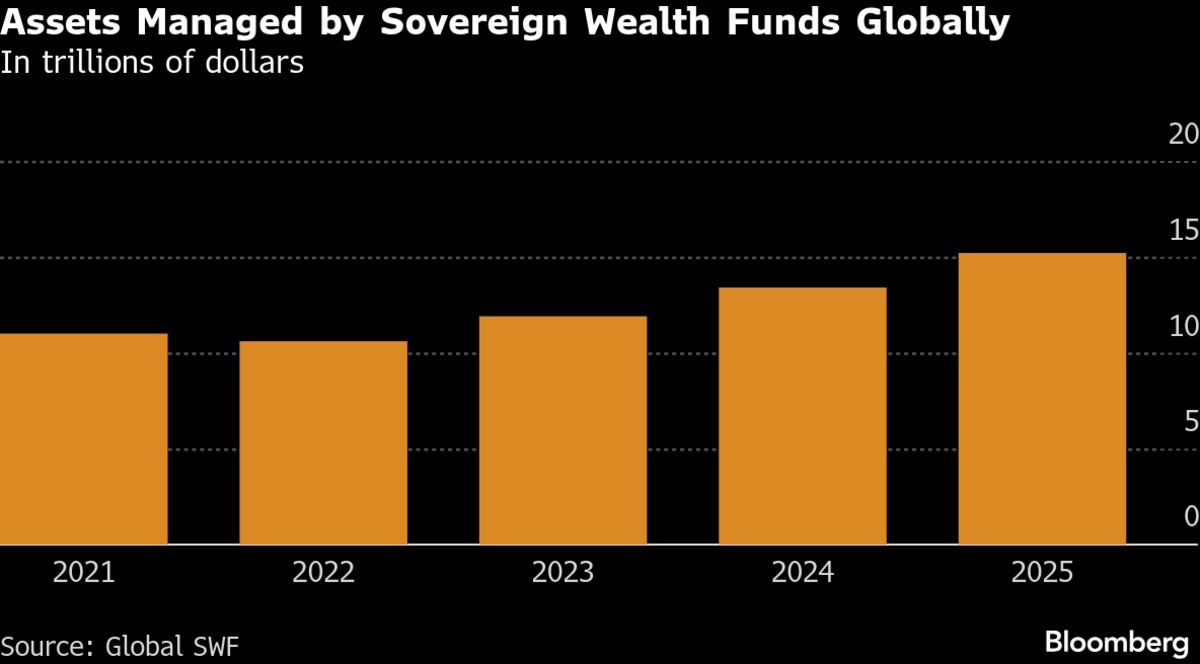
The Rise of Sovereign Wealth Funds: A $15 Trillion Milestone
Sovereign wealth funds (SWFs), the investment vehicles owned by national governments, have become powerful players in the global financial landscape. In a remarkable turn of events, these funds collectively amassed a record $15 trillion in assets under management (AUM). This unprecedented growth is largely attributed to strategic investments in technology and favorable market conditions. Let’s delve into what this milestone means for sovereign wealth funds and the broader economy.
Understanding Sovereign Wealth Funds
At their core, sovereign wealth funds are state-owned investment funds that manage national savings for various purposes. These can include stabilizing the economy, funding social programs, or enhancing a nation’s wealth for future generations. Originating in the middle of the 20th century, SWFs have evolved significantly, with nations leveraging these funds to diversify their revenue sources beyond traditional commodities like oil and gas.
Record Growth Driven by Technology
The recent surge to $15 trillion in AUM highlights a vital trend: a deepening focus on technology. With digital transformation accelerating across sectors, sovereign wealth funds have capitalized on this wave by investing heavily in tech startups and mature tech firms. The appeal lies in the high growth potential of this sector, which continues to reshape industries and influence market dynamics. By strategically positioning themselves in technology, SWFs not only aim for impressive returns but also seek to ensure that their national economies thrive in a digital-first world.
The Impact of Buoyant Markets
The investment landscape has been buoyed by a series of favorable market conditions, including low-interest rates and a surge in stock prices. These conditions created a fertile ground for significant returns on investments, enabling sovereign wealth funds to grow their holdings. Additionally, as economies recover from the global pandemic, increased consumer spending and a resurgence in various sectors have further fueled market optimism, allowing SWFs to reap the rewards.
Diversification: A Key Strategy
One of the fundamental strategies for sovereign wealth funds is diversification. By spreading investments across various asset classes and geographical regions, these funds mitigate risks and enhance potential returns. In recent years, many SWFs have been increasingly diversifying into alternative investments, such as real estate, private equity, and infrastructure. This strategic move not only provides a hedge against market volatility but also taps into new, lucrative opportunities that conventional stocks and bonds may not offer.
Global Competition Among Sovereign Wealth Funds
As SWFs grow in size and influence, a global competition has emerged among nations to attract investments and ensure the best returns. Countries are keenly aware that their wealth funds can contribute significantly to their national strength. This competitive environment encourages innovation and efficiency among SWFs, leading them to adopt more sophisticated investment strategies and technologies.
The Role of Governance and Transparency
With great power comes great responsibility. The management of vast sums of money requires robust governance and transparency frameworks. Many sovereign wealth funds have begun to adopt more stringent compliance standards and governance practices to ensure accountability and trust. By doing so, they not only safeguard their investments but also enhance their reputation on an international scale. This shift towards transparency can foster greater collaboration with global investors and improve overall investment outcomes.
Societal Impact and Sustainable Investing
An interesting trend is the increasing focus on sustainable investing within the realm of sovereign wealth funds. Recognizing their influence, many SWFs are now aligning their investment strategies with social and environmental goals. This shift not only addresses global challenges such as climate change but also resonates with a new generation of investors who prioritize corporate responsibility. By championing sustainable practices, sovereign wealth funds can foster positive social change while simultaneously achieving financial returns.
Conclusion
The $15 trillion mark represents more than just a number; it signifies the growing importance and influence of sovereign wealth funds in the global economy. As these funds evolve and adapt to changing market conditions, they will continue to play a pivotal role in shaping the future of finance, technology, and society. With their strategic investments and commitment to responsible governance, sovereign wealth funds are poised to make a lasting impact for years to come.