


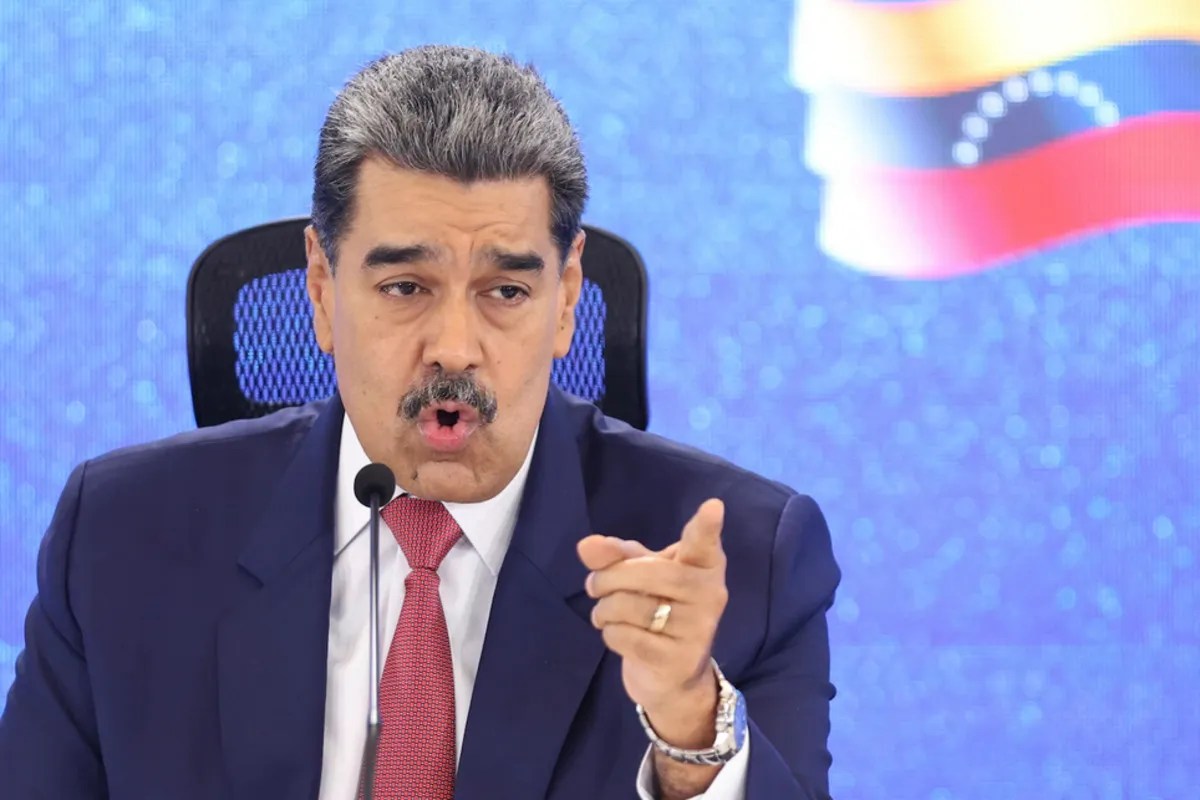
Maduro’s Shift: A Willingness to Engage with the U.S.
In a surprising turn of events, Venezuelan President Nicolás Maduro recently expressed his readiness to engage in dialogue with the United States, particularly with former President Donald Trump, on pressing issues like drug trafficking and oil. This statement marks a notable shift in Maduro’s stance, especially considering the tumultuous history between Venezuela and the U.S.
The Context of Pressure
Maduro’s willingness to cooperate seems largely driven by escalating pressure from the U.S. military and diplomatic channels. In recent years, the U.S. has implemented a series of sanctions aimed at crippling the Venezuelan economy, particularly targeting the oil sector, which is the backbone of the nation’s finances. These sanctions, coupled with military posturing, appear to have prompted Maduro to reassess his strategy.
Dialogue on Drug Trafficking
One of the key topics Maduro mentioned for potential dialogue is drug trafficking. Venezuela has often been labeled as a transit country for illicit narcotics, particularly cocaine, which travels from Colombia through its borders. By proposing to discuss this issue with the U.S., Maduro seems to be signaling an openness to international cooperation on a problem that has profound regional implications. This is indicative of his desire to portray Venezuela as a responsible player willing to tackle common challenges.
Oil as a Central Concern
Another significant aspect of Maduro’s remarks revolves around oil. Venezuela possesses some of the largest oil reserves in the world, and its economy heavily relies on this crucial resource. However, U.S. sanctions have drastically reduced oil production and exports. By expressing a willingness to engage in discussions on oil, Maduro may be seeking a pathway to ease sanctions and revitalize the economy. Cooperation on oil could be presented as a mutually beneficial arrangement—perhaps leaning towards stability in global energy markets while improving Venezuela’s economic situation.
Recognizing the U.S. Stake
Maduro’s approach also suggests an acknowledgment of U.S. interests in the region. The historical context of U.S. involvement in Latin America has always been complex, characterized by interventionist policies and strategic interests. By opening the door to dialogue, Maduro could be attempting to shift the narrative from confrontation to collaboration, recognizing that shared interests—like combating drug trafficking and stabilizing oil markets—can lead to more constructive relations.
Implications for U.S.-Venezuela Relations
Should this dialogue materialize, it could have significant implications for U.S.-Venezuela relations. A cooperative approach might pave the way for alleviating some sanctions, which would not only benefit Venezuela but also allow the U.S. to re-engage with a country it has largely sidelined in recent years. Such developments could also influence broader geopolitical dynamics in Latin America, impacting relationships with other nations in the region.
A New Chapter?
While Maduro’s overtures toward dialogue are noteworthy, the outcomes remain uncertain. Previous diplomatic efforts have often been met with skepticism, both domestically within Venezuela and from international observers. The complexities of political negotiations, historical grievances, and the current geopolitical landscape mean that achieving a fruitful dialogue could be fraught with challenges.
The Role of International Stakeholders
In this evolving scenario, the role of international stakeholders, including neighboring countries and regional organizations, cannot be overlooked. Countries like Colombia, Brazil, and members of the Organization of American States (OAS) have vested interests in Venezuela’s stability and could influence the dialogue process between Maduro and the U.S. Their involvement may either facilitate a more comprehensive agreement or complicate issues further, especially if differing national interests come into play.
Public Sentiment in Venezuela
Finally, it is essential to consider the sentiments of the Venezuelan populace. Years of economic hardship, hyperinflation, and political turmoil have led to widespread discontent. Maduro’s overtures toward Washington might be met with mixed reactions at home—while some may welcome a potential easing of sanctions, others might view the engagement as a betrayal of Venezuela’s sovereignty. Public perception will play a crucial role in shaping how these dialogues unfold and their ultimate acceptance domestically.
In summary, Maduro’s recent statements reflect a complex interplay of domestic and international pressures, signaling a significant potential shift in Venezuelan foreign policy.