


Escalating Tensions: Protests in Iran and a Divided Response from the U.S.
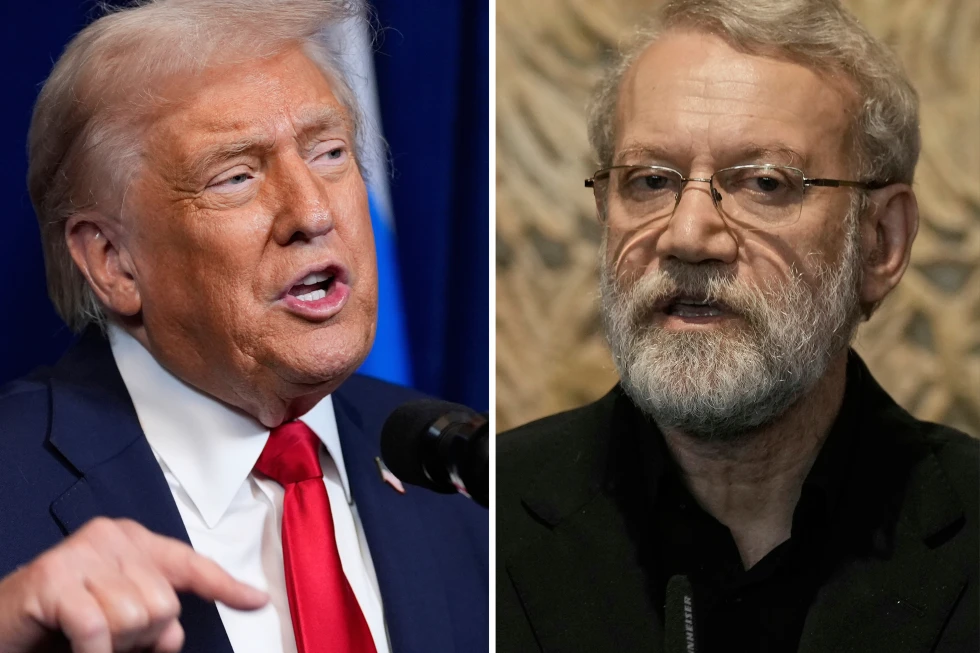
In a rapidly evolving geopolitical climate, recent exchanges between U.S. President Donald Trump and Iranian officials have underscored the deepening chasm in relations between the two nations. The backdrop of this drama is a wave of protests sweeping across Iran, fueled by economic distress and dissatisfaction with the government’s response to soaring inflation and currency collapse.
The Trigger: Economic Protests
The protests, which began less than a week ago, have ignited a firestorm of unrest in Iran, with demonstrators voicing their frustrations over the plummeting value of the rial. With $1 now costing approximately 1.4 million rials, the economic landscape has become increasingly dire. Initial demonstrations centered on economic grievances, but as frustrations boiled over, criticism of the Iranian theocracy emerged, adding a layer of complexity to the unrest.
Trump’s Warning: A Call to Action
In a bold move, President Trump utilized his Truth Social platform to send a pointed warning to Iran. He declared that the United States would “come to [the protesters’] rescue” if the Iranian government resorted to violent suppression of the demonstrations. Trump’s statement emphasized America’s readiness to respond, stating simply, “We are locked and loaded and ready to go.” This provocative rhetoric has reignited fears of military escalation in the region.
Iran’s Retaliatory Rhetoric
In response, Iranian officials have expressed indignation over Trump’s comments. Ali Larijani, a high-ranking member of Iran’s Supreme National Security Council, took to the platform X to assert that the protests were artificially inflamed by external forces, specifically suggesting U.S. and Israeli involvement. “Trump should know that intervention by the U.S. in the domestic problem corresponds to chaos in the entire region,” he warned, underscoring the delicate balance of power in the area.
Historical Context: Past U.S. Interventions
Larijani’s assertion brings to the forefront the historical context of U.S. interventions in the Middle East. His comments reflect a persistent narrative within Iran that reinforces national identity and resistance against perceived foreign meddling. He urged the American public to reflect on the consequences of previous military actions, referencing the chaotic outcomes in Iraq and Afghanistan.
Escalating Military Threats
Adding to the tension, Ali Shamkhani, an advisor to Iran’s Supreme Leader, issued a stark warning that any American interference would be met with force. He ominously declared that “any interventionist hand that gets too close to the security of Iran will be cut,” signaling Tehran’s readiness to defend its sovereignty amidst increasing external pressure.
A Government in Turmoil
While the Iranian leadership issues threats, the domestic government faces its own set of challenges. President Masoud Pezeshkian, striving to engage with the protesters, has publicly acknowledged the limitations of his administration as it grapples with economic collapse. The government’s attempt to negotiate seems increasingly precarious, given the widespread dissatisfaction from citizens deeply affected by the economic downturn.
Echoes of the Mahsa Amini Protests
This wave of protests has drawn comparisons to previous uprisings, notably the widespread demonstrations following the death of Mahsa Amini in police custody. Although the current unrest has not yet reached the same level of intensity, the underlying discontent and calls for broader reform resonate with Iran’s recent history of protests against the ruling regime.
Uncertain Nuclear Negotiations
Looking outward, the implications of these domestic protests are compounded by the international arena, particularly in relation to Iran’s nuclear program. Despite stating that it is no longer enriching uranium, the Iranian government has not engaged in meaningful negotiations with Western powers to alleviate sanctions. Tensions with Israel and the U.S. continue to loom large, as both countries maintain stringent watch over Tehran’s nuclear ambitions.
Conclusion: A Fragile Situation
As tensions escalate between the U.S. and Iran amidst ongoing protests, the balance of power in the region hangs in the balance. The intertwining of economic distress, political dissent, and external intervention stands as a potent reminder of the complexities inherent in Middle Eastern geopolitics. With both sides bracing for potential escalation, the international community watches closely, aware that the ramifications of this unfolding situation could extend far beyond Iran’s borders.