


In a world where creativity meets technology, the advent of Artificial Intelligence (AI) has brought about remarkable—and at times surreal—expressions. Imagine the iconic Martin Luther King Jr., long after his passing, navigating a modern grocery store with a bag of groceries, boldly proclaiming he has a dream of free food for all before dashing out. Or visualize him in a WWE wrestling ring, preparing to slam an imaginary villain while exclaiming, “I have a dream… of smashing injustice!” These bizarre reinterpretations, while entertaining to some, raise fundamental questions about the implications of using AI to recreate the likenesses and messages of historic figures.
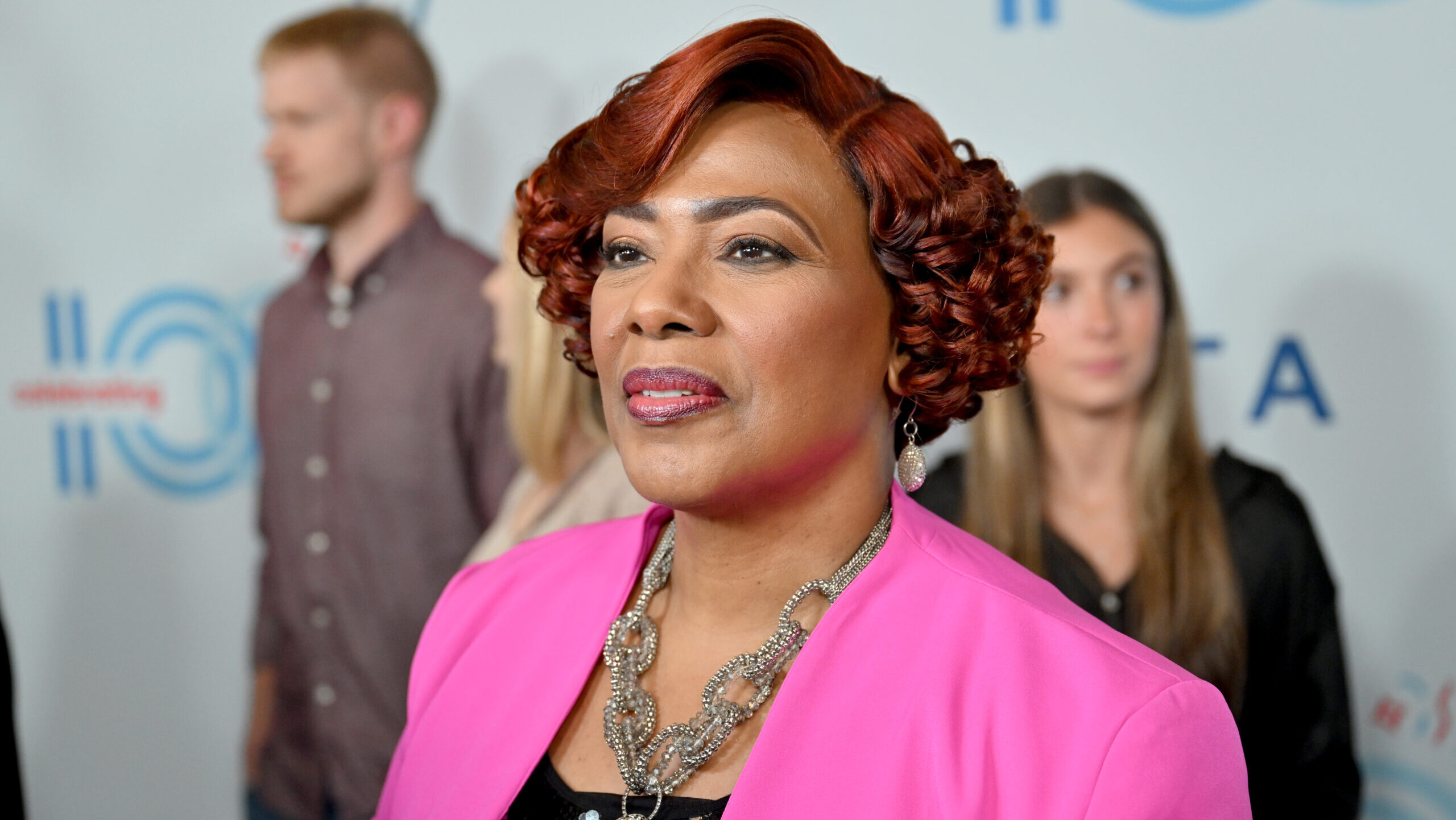
As AI technology advances, it enables the creation of digital caricatures that blend humor with alarming disregard for original intent. Influential public figures, including MLK’s daughter, Bernice King, are expressing their discomfort with this trend. Recently, Bernice echoed the sentiments of Zelda Williams, the daughter of late comedian Robin Williams, who took to social media to implore fans to cease sharing AI-generated videos of her father. Zelda’s poignant remarks encapsulated the frustration many feel: “Please, just stop sending me AI videos of Dad. It’s dumb, it’s a waste of time and energy.” Her words resonate deeply, highlighting the thin line between tribute and trivialization.
The core of the issue lies in how these AI-generated images and videos often lack consent and awareness of context. Bernice King’s agreement with Zelda Williams emphasizes this ethical quandary. Both daughters are on the front lines of addressing the growing trend of using AI tools and deepfake technology to resurrect deceased public figures. This phenomenon, primarily fueled by applications like OpenAI’s Sora 2, has transformed into a machinery of exploitative media—spawning everything from faux music collaborations to twisted reinterpretations of their words and legacy.
Bernice King has persistently voiced her concerns regarding the distortion of her father’s message, labeling such AI-generated content as “dishonoring, deplorable, and disrespectful.” This backlash is not limited to her alone; numerous artists and personalities, including SZA, Drake, Kendrick Lamar, and Rihanna, have condemned the unauthorized replication of their likenesses and voices through AI. This growing chorus of voices amplifies a critical conversation about respect, consent, and legacy in the digital age.
It’s important to consider the emotional ramifications for those directly impacted by such digital appropriations. Zelda Williams was just 25 when her father died by suicide in 2014. Similarly, Bernice King was only five years old when Martin Luther King Jr. was assassinated in 1968. These personal histories imbuing the conversation emphasize that behind every public figure lies a family grappling with grief, remembrance, and nostalgia. The cavalier use of AI to create entertainment conflicts with the deeper human experience tied to these figures’ legacies.
The digital transformation of art and expression, facilitated by AI technology, poses existential questions about creativity and authenticity. While some view the AI-generated content as lighthearted or innovative, others recognize it as a potential threat to the personal narratives of those who have passed away. The shift from honoring to commodifying these figures raises critical ethical dilemmas that society must confront.
As people navigate this new landscape, advocating for respectful engagement with AI technologies becomes paramount. The ongoing discourse led by Bernice King and others serves as a call to action, urging creators to think critically about the implications of their digital experiments. What may seem playful or harmless can have profound impacts on the legacies of beloved figures and their families. Balancing innovation with respect is a necessary challenge in this evolving digital age—a challenge that artists, creators, and consumers alike must rise to meet.