


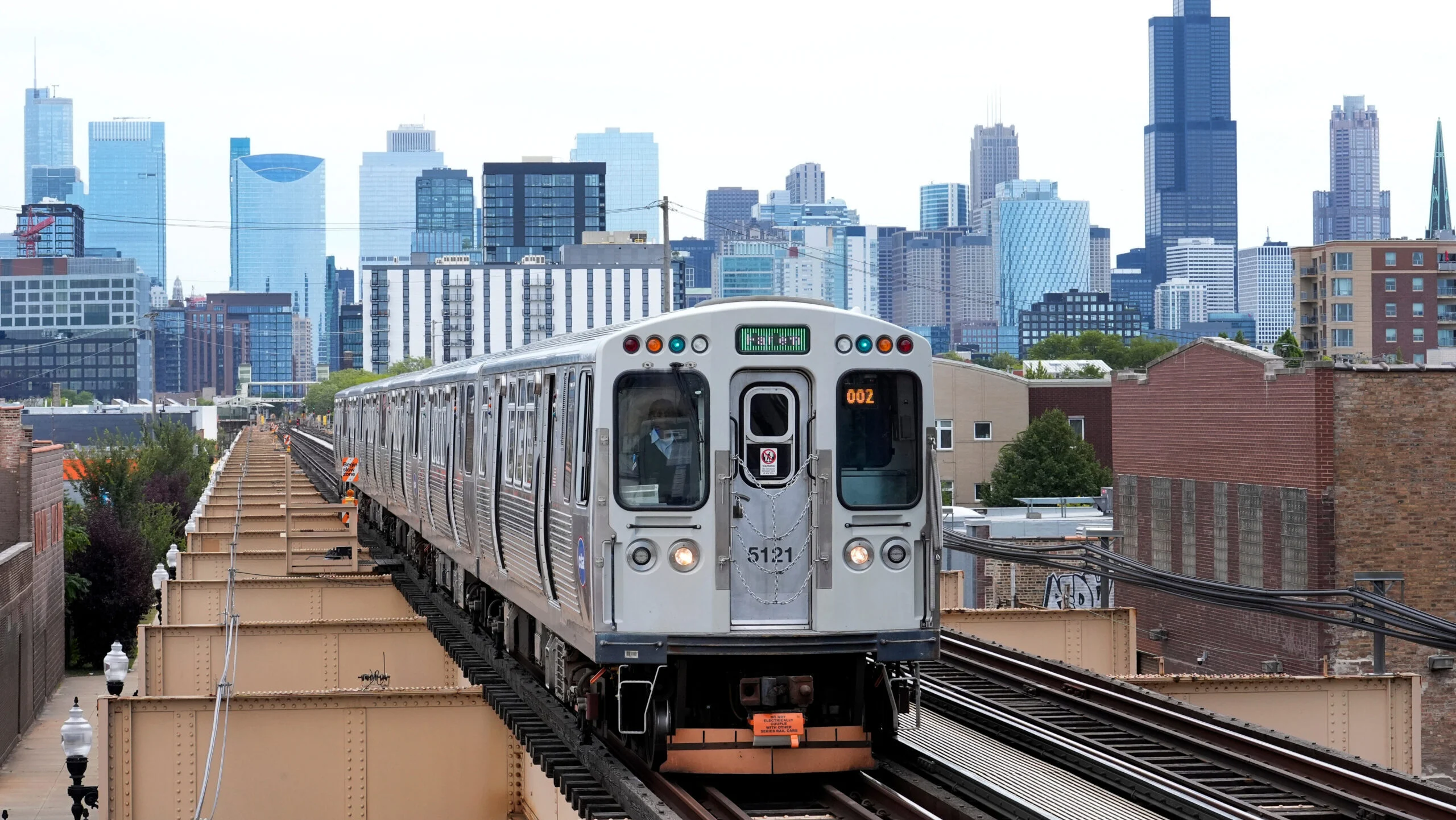
The Chicago Transit Authority (CTA) has recently ramped up its security measures, responding to a significant increase in scrutiny from federal authorities. This move comes in the wake of alarming incidents, particularly following the recent threat from President Donald Trump’s administration to withhold $50 million in federal funds unless the CTA implemented a more effective crime-reduction plan.
In a decisive action, the Chicago Police Department announced an increase of 56% in their daily presence across the city’s transit system. The number of officers patrolling the CTA has risen from 77 to 120. Additionally, the deployment of private security K-9 units will also see a 10% increase, bringing the total to 188. This strategy indicates a proactive approach to ensuring passenger safety and reinforcing the public’s confidence in the transit system.
The impetus for this heightened security was underscored just a day earlier when the Federal Transit Administration (FTA) issued a letter to CTA President Nora Leerhsen. In this correspondence, the FTA expressed dissatisfaction with the CTA’s existing crime reduction strategy, mandating a more comprehensive plan that includes monthly targets for reducing assaults on staff and riders.
A particularly grievous incident that fueled these demands involved 26-year-old Bethany MaGee, who was doused in gasoline and set on fire while aboard a city L train. The alleged perpetrator, 50-year-old Lawrence Reed, faces federal charges of terrorism, which carries a potential life sentence. Such incidents starkly highlight the urgency in enhancing safety protocols within the transit system.
In its letter, the FTA criticized the CTA for not setting specific, measurable goals for crime reduction over the coming months, pointing out that the targets for assaults during the first quarter of the year were alarmingly static and did not reflect the urgency of the situation. FTA Chief Marcus Molinaro emphasized that the agency requires immediate implementation of a security surge to show tangible results in the crime statistics.
The CTA now finds itself in a precarious position, with 90 days to meet the federal government’s demands or risk losing vital funding. Despite this pressure, CTA spokesperson Catherine Hosinski remained tight-lipped about ongoing discussions with federal officials. She did, however, mention that the transit system’s budget, which received approval in early November, allocated $5 million specifically for enhancing security measures.
Significantly, this boost in security efforts also relies on the voluntary participation of Chicago police officers who choose to patrol on their days off, complementing the regular police presence already established at CTA locations. The strategy, as reiterated by Leerhsen, is designed to bolster the visibility of law enforcement and make riders feel safer during their travels.
Current data from the police department indicates that violent crimes reported at CTA stations have seen a decline, with 933 incidents logged from the beginning of 2025 through Thursday, representing a decrease of 18 from the previous year. This suggests that while crime remains a concern, recent measures may be having a positive effect.
In a broader context, a statewide transit overhaul recently signed into law by Governor JB Pritzker is also contributing to safety and security initiatives in public transportation. This ambitious legislation injects an additional $1.5 billion into public transit each year, aiming to create long-term improvements that will enhance the safety and wellbeing of riders across Illinois.