


Could European Countries Really Decide to Boycott the World Cup?
As the world gears up for the 2026 World Cup, the prospect of a boycott from European countries is surfacing as a significant discussion point—a development that seems almost surreal given the target of conversation: Major League Soccer in the United States. The intertwining of international politics and sport raises a host of questions, making this a compelling topic to explore.
A Political Storm Brewing
The discussions surrounding a potential boycott are not merely cursory; they stem from a deeply tangled geopolitical situation influenced by controversial figures such as former U.S. President Donald Trump. His previous, erratic approach to international relations—demonstrated by his whimsical musings about the annexation of Greenland—casts a long shadow over international sporting events. As the Guardian reports, senior figures in European football are starting to engage in serious dialogue regarding their collective response, indicating that the climate surrounding this World Cup is anything but benign.
Unofficial Conversations Take Center Stage
During a recent anniversary event for the Hungarian Football Association, discussions among national association leaders marked a pivotal moment. These conversations revolved around creating a unified stance on the challenges posed by the United States in light of Trump’s unpredictability. If Europe is to act, it must do so cohesively, reflecting a growing urgency that the time for action is now. There’s a palpable concern that if political tensions intensify, football as a unifying sport might fall victim to the increasingly charged atmosphere.
The Need for Cohesion Among European Football Bodies
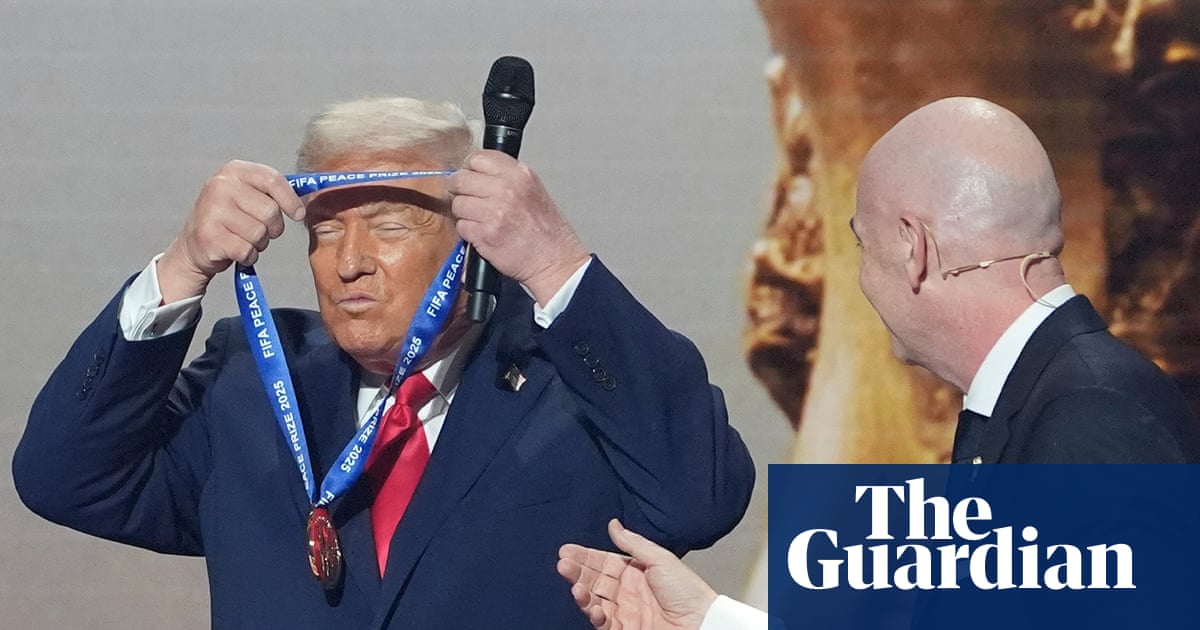
The sentiment among many European governing bodies is clear: they must present a united front sooner rather than later. While some member federations might adopt a laissez-faire attitude toward the unfolding drama—finding amusement in the erratic political landscape—there lies an underlying seriousness that cannot be ignored. The relationship between FIFA’s leadership and the Trump administration contributes to this complexity. FIFA’s willingness to embrace political narratives could lead to severe repercussions, especially if military tensions escalate.
Historical Context Influencing Current Discourse
European football federations are no strangers to political fallout impacting sport. The swift removal of Russian teams from international competitions following their invasion of Ukraine is a recent example that looms large in current discussions. The questions arise: Why should the U.S. receive different treatment? If the conflict escalates to a military front, wouldn’t it be reasonable for UEFA to reevaluate its association with a U.S.-hosted World Cup?
Mixed Reactions from National Figures
National sports ministers and governing figures across Europe exhibit a spectrum of responses. For instance, French Sports Minister Marina Ferrari stated that there are currently no plans to boycott the World Cup, albeit her comments come with caveats that the situation could evolve. Meanwhile, German Sports Minister Christiane Schenderlein deflected the conversation back to the grassroots level, emphasizing a hands-off approach from the government.
The Role of Public Sentiment
One of the driving forces behind these discussions is public sentiment. Initiatives like a petition in the Netherlands advocating for a boycott highlight a significant portion of the population that is not just engaged but is eager for decisive action. This grassroots movement cannot be ignored; it shows an appetite for accountability that resonates deeply in the current international climate.
The Sports and Politics Intersection
The connection between sports and political considerations has always been complex, often leading to uncomfortable yet necessary conversations. Trump’s connection to the World Cup, which he has promoted since its selection, adds another layer. How he navigates the international turmoil will undoubtedly impact this relaunch of football diplomacy. If UEFA and its federations adopt a more assertive stance, there could be a ripple effect, even influencing FIFA’s diplomatic strategies regarding geopolitics.
The Uncertainty Moving Forward
As the spotlight continues to shine on international relations, the sports world remains in uncharted territories. There is a shared consciousness among football’s leadership that agility is crucial. The upcoming months will require careful navigation through a landscape rife with political tensions and public sentiment.
The sheer unpredictability of global politics means that discussions about a boycott cannot be easily dismissed as fanciful. They are reflective of broader societal pressures and positions, emphasizing the unique role that football plays—not only as a sport but as a platform for social and political discourse.
In an ever-evolving landscape, where even the smallest actions can have substantial ramifications, the future remains uncertain. Whether the call for action gains momentum or fizzles out will likely depend on developments both on and off the pitch.