


The Controversy of “Sean Combs: The Reckoning”
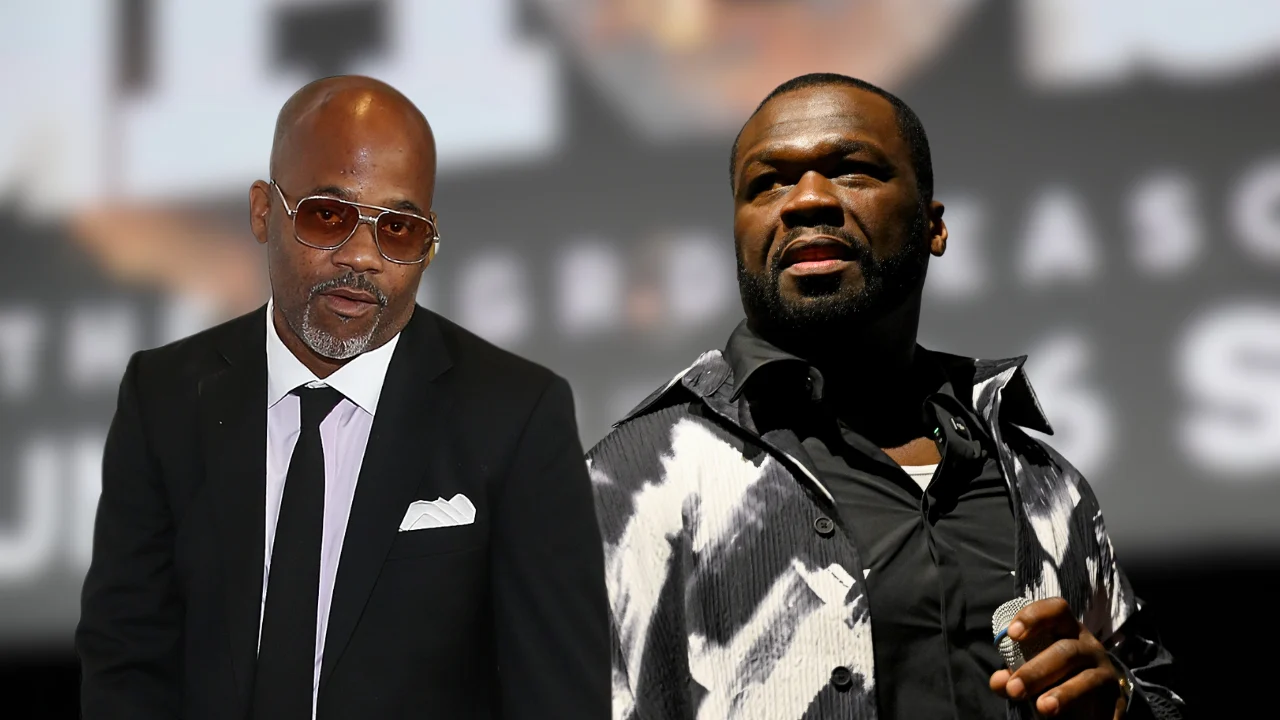
Netflix’s latest documentary, “Sean Combs: The Reckoning,” has stirred up significant discourse within the music and entertainment community. Produced by the notorious Curtis “50 Cent” Jackson and directed by Alex Stapleton, the documentary examines the life and controversies surrounding Sean “Diddy” Combs. With every new release, it seems everyone has an opinion, and the latest voice to weigh in is none other than music executive Dame Dash.
Dame Dash Speaks Out
In a recent appearance on Afro TV’s “POV Show,” Dame Dash expressed his concerns regarding 50 Cent’s involvement in the project. Having previously suggested that the documentary would not see the light of day, Dash’s opinion holds weight in the discussions surrounding the film. He emphasized that his initial skepticism was rooted in what he considers a breach of a “moral code.”
He reflected on the relationship between black men in the industry, saying, “I honestly thought based on moral codes and coming from a street ethic, I didn’t think that he would ever do that.” Dash believes that certain conduct should be reserved within the community, implying that Black men should prioritize support over division.
The Ethics of Public Commentary
Dash doesn’t shy away from discussing the weight of what he perceives as a betrayal. “Allegedly, it just seems like Puff violated his baby mother in front of his kid,” he noted. Yet, he strongly underscored that it’s not in their purview to tear each other down publicly.
This sentiment underscores a larger cultural perspective. For many in the Black community, public discussions about personal grievances—even when they pertain to public figures—can feel like a violation of an unwritten code of conduct. “You see, we never did too much business together. But I would never be the person to deliver that,” Dash stated, hinting at the need for solidarity over sensationalism.
The “No Snitching” Policy
Dame Dash further elaborated on the essential “no snitching” policy that he believes governs interactions within the community. “For me, I’m not gonna do that because that platform is not Black-owned,” he emphasized, making it clear that he would not contribute to what he views as a betrayal of trust. Dash insists on a sense of responsibility—both to the community and to individual relationships—suggesting that tearing down another Black man for the benefit of a platform controlled by others is fundamentally wrong.
Targeting the Broader Context
In a broader context, Dash highlighted the injustices faced by Black individuals and the hypocritical nature of these interactions. “There’s so many injustices that we see other people from other cultures do, but we don’t say anything,” he lamented. His commentary suggests that, while internal strife can exist, it often gets amplified disproportionally compared to conflicts faced by other cultures.
This notion challenges the audience to reflect on the broader implications of media portrayals and who benefits from them. “I would never ever be doing that to a Black man,” Dash emphasized, underscoring the moral imperative he feels should govern such decisions.
A Personal Connection
Interestingly, Dash’s thoughts on the documentary are not merely ideological; they resonate with personal experiences. His history with 50 Cent adds a layer of complexity, especially given the public exchanges between the two leading up to this documentary release. Dash has found himself at the center of social media exchanges where he was labeled a “clout-chaser” by 50 Cent.
In response, he remarked, “Never trust a Black man that will make a documentary tearing down another Black man for a white man… that’s nasty work.” This sentiment encapsulates his resolve to defend Black integrity and the implications of public narratives crafted around them.
Questioning the Narrative
Dame Dash’s critique of the documentary extends to the claims made within it. He raised concerns about what he described as “hearsay,” casting doubt on the accuracy and integrity of some revelations. “I’ve been accused of a lot of things I haven’t done,” he admitted, contributing to his belief that there is an unfair targeting at play.
He added his perspective on the state of being a successful Black man in today’s society. “It’s best to be broke, or else you’re a target,” he cautioned, highlighting the precarious position that comes with wealth and visibility—especially among people of color.
Through his passionate response, Dame Dash is advocating for a more nuanced understanding of community dynamics and the responsibilities that come with public exposure, particularly when it concerns one’s own.