


Exploring Mitchelville Freedom Park: A Tribute to Resilience and Self-Determination
TheGrio Green Book is not just a guide for Black travelers; it’s a modern homage to a historical legacy that speaks to hope, joy, and the enduring spirit of exploration. By spotlighting places rich in African American heritage, The Grio Green Book encourages journeys to locations woven deeply into the tapestry of Black history. One such destination is Mitchelville Freedom Park, a site nestled along the picturesque waters of Hilton Head, South Carolina, where the echoes of history resonate with every breeze that passes through.
The Historical Significance of Mitchelville
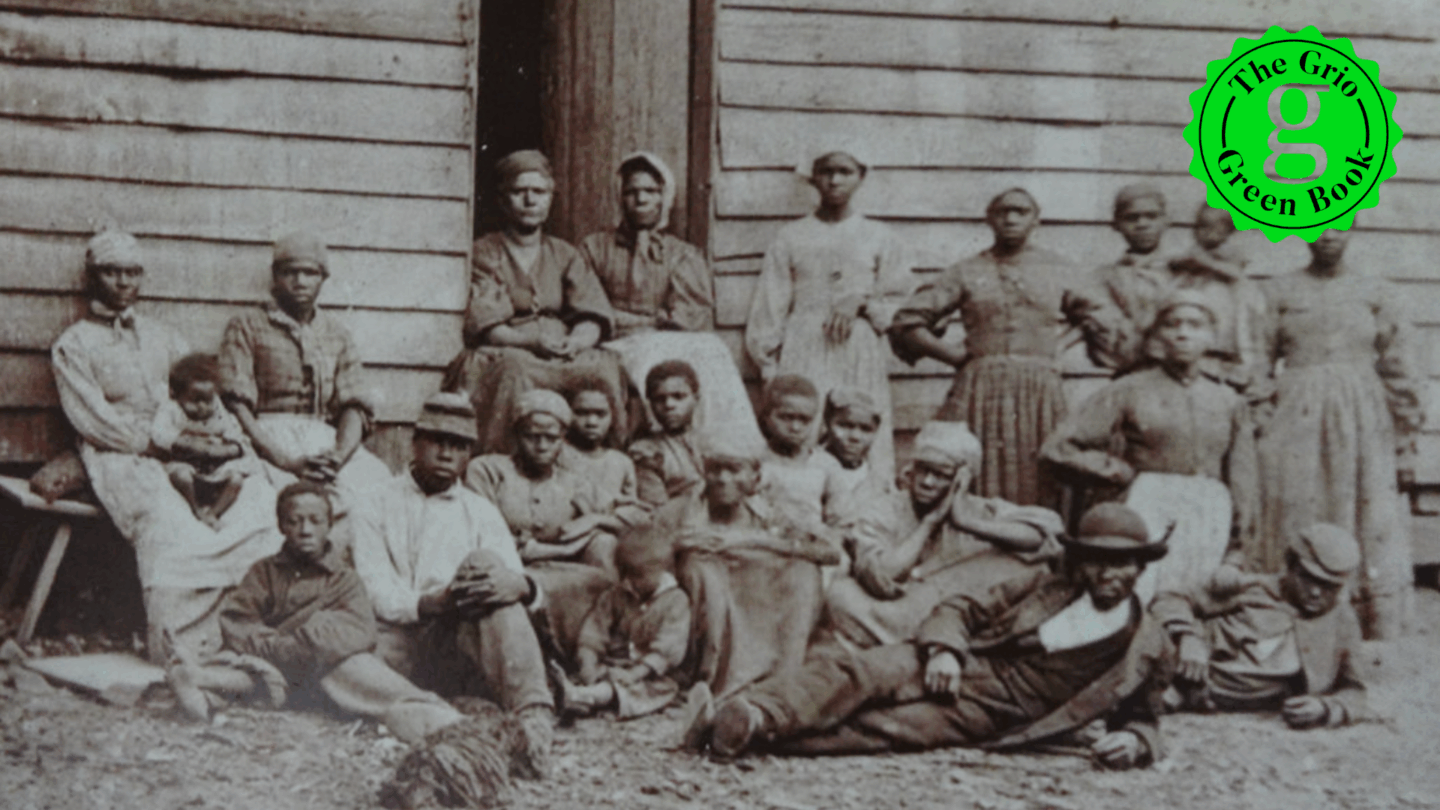
Once upon a time, during the tumultuous aftermath of the Civil War, Mitchelville stood as a beacon of freedom. Here, Black Americans who had been deemed “contraband”—meaning they were considered unlawful goods or property—sought refuge and a chance to carve out their destiny. Merriam-Webster defines contraband as “goods or merchandise whose importation, exportation, or possession is forbidden.” This demonstrates how society viewed these formerly enslaved individuals. Yet, upon the Union Army’s arrival in Hilton Head, thousands set forth to claim their freedom, transforming the landscape of their lives in the process.
The Evolution of Mitchelville: A Self-Governed Community
As former enslaved people converged around the Union Army, they didn’t merely seek shelter; they actively envisioned and constructed a new life. Mitchelville emerged as the first officially self-governed town of Black freedmen in the United States, where the inhabitants determined their own governance and societal framework. Residents initiated schools, churches, and businesses, embodying a spirit of self-determination and civic engagement.
One pivotal figure in this transformation was Union Army Major General Ormsby Mitchel, whose commitment to emancipation led him to allocate 300 acres of land for Black families to build their lives. His efforts culminated in significant legislation, such as the first compulsory education law in South Carolina. A community that once faced unimaginable oppression began to rise and thrive against all odds.
The Cultural Legacy of the Gullah Geechee
The residents of Mitchelville carried forward the rich Gullah Geechee heritage, a cultural lineage preserved in the isolated lowcountry region. This blend of African roots and local customs contributed to a unique way of life, showcasing the resilience of their descendants. Histories illustrate that many former enslaved individuals were skilled artisans—blacksmiths, seamstresses, and caretakers—who used their talents to lay a strong foundation for their new community.
The Heart-Wrenching Decline of Mitchelville
Despite its promising beginnings, the narrative of Mitchelville took a tragic turn. Historical catastrophes, such as the devastating hurricane of 1893, disrupted the community’s growth, ultimately leading to land disputes and the fragmentation of what was once a blossoming town of over 3,000 residents. The original lands, once home to self-governed families, would eventually return to the descendants of plantation owners.
As time passed, Mitchelville dwindled to a mere shadow of its former self, suffering not just from natural disasters but also from the complexities of ownership. This decline is part of the intricate narrative that underscores both the triumphs and struggles faced by Black communities throughout American history.
Mitchelville Freedom Park Today
Today, what remains is Mitchelville Freedom Park, a poignant reminder of the past and a celebration of Black resilience. The park features sculptures, plaques, and structures that honor the memories of those who lived there, including the First African Baptist Church, unearthed to reflect its historical significance. Visitors are greeted by a powerful bronze statue of Harriet Tubman, paying tribute to the fight against oppression.
The park actively engages the community with annual events such as Juneteenth celebrations, where music and performances fill the air, connecting visitors to their roots and inspiring generations to remember and celebrate their history.
A Modern-Day Call to Action
Amidst the ongoing dialogue surrounding American history, the story of Mitchelville serves as a powerful testament to unity, resilience, and the fight for identity. Despite being a narrative often left untold, Mitchelville’s leaders are making strides to raise awareness through initiatives aimed at preserving and enhancing the landmark.
A capital campaign is underway, with the goal of renovating the park and establishing structures that honor the town’s rich heritage while fostering educational opportunities for visitors. By shining a light on this compelling chapter, the aim is to inspire a broader understanding of the complexities of American history and the profound contributions of Black Americans.
Reflections on the Journey
As you explore the grounds of Mitchelville Freedom Park, take a moment to reflect on the lives that once flourished here. The waters that now gently lap the shores were once tread by resolute individuals who sought not just survival, but a thriving existence. In this serene setting, the echoes of their laughter, hopes, and dreams linger, providing a poignant reminder that their legacy is woven into the very fabric of America.
In this space, where the past meets the present, the potential for a brighter future remains palpable. Embrace the stories waiting to be uncovered, and allow them to inspire your own journey toward exploration and understanding.