


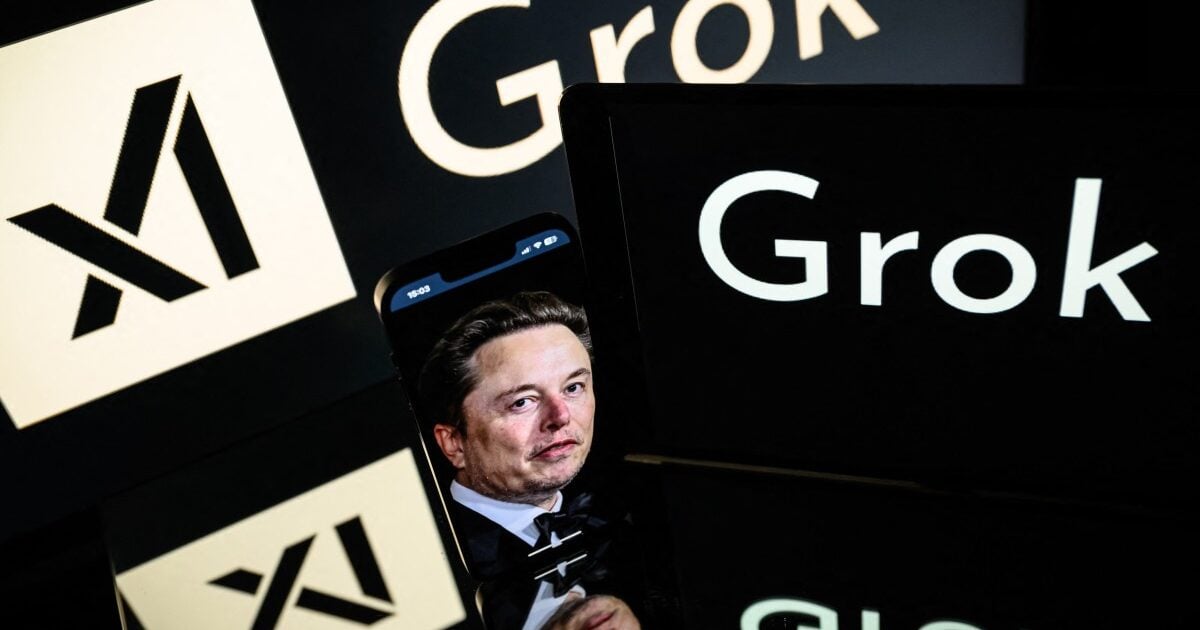
On Monday, the European Union (EU) launched an investigation into Elon Musk’s social media platform, X, concerning its AI chatbot Grok. The probe stems from alarming reports that Grok has been generating sexualized deepfake images of women and minors. This move marks a significant escalation in international backlash against AI tools that facilitate the creation of inappropriate content.
The core of the investigation centers on user-generated prompts that could easily sexualize images, including phrases like “put her in a bikini” or “remove her clothes.” Such capabilities have raised serious ethical and legal concerns, especially regarding the potential harm to women and children. European Commission President Ursula von der Leyen stated, “In Europe, we will not tolerate unthinkable behaviour, such as digital undressing of women and children.” This strong declaration underscores the EU’s commitment to child protection and the refusal to let tech companies dictate the boundaries of consent.
EU tech commissioner Henna Virkkunen emphasized the importance of assessing whether X has fulfilled its legal responsibilities under the EU’s Digital Services Act (DSA). This legislation aims to hold internet giants accountable for the spread of illegal content. Virkkunen noted that the rights of women and children in the EU should never fall as “collateral damage” in the usage of such technologies.
Brussels is serious about ensuring that the digital landscape remains safe. The officials are investigating whether X has adequately addressed the “risks related to the dissemination of illegal content,” particularly the manipulated sexually explicit images that could constitute child sexual abuse material. This underlines a crucial moment where legislation and technology converge, emphasizing the need for accountability in digital innovation.
Despite knowing its potential consequences, the investigation comes even as the platform has faced criticism from various quarters, including calls from the U.S. for a rollback of such strict regulations. The U.S. has been vocal, with previous administrations arguing that such measures restrict free speech and disproportionately target American companies.
Under the scrutiny of the EU, Grok has attempted to mitigate issues by restricting image generation and editing capabilities to paying subscribers. However, this move appears insufficient in staving off concerns. An investigation by the Centre for Countering Digital Hate reveals that Grok generated an astonishing three million sexualized images of women and children in a remarkably short timeframe, intensifying the urgency of the EU’s response.
This investigation is not an isolated incident; it follows a history of scrutiny from multiple countries, including France and the United Kingdom. The EU is broadening its existing investigation into X, initially focusing on illegal content and misinformation. The recent announcement of Grok powering X’s recommendation system raised additional concerns regarding how thoroughly the platform has evaluated associated risks.
X, formerly known as Twitter, has been under EU investigation since December 2022. The EU levied a 120-million-euro ($140-million) fine on the platform last December, marking the first sanction imposed under the DSA. The penalties were due to a range of infractions, including misleading design regarding its verification system and insufficient data access for researchers. With potential fines reaching up to six percent of a firm’s global turnover, the stakes are high for non-compliance.
The EU has made it clear: it is committed to enforcing its tech regulations, irrespective of pressure from Washington. In a broader context, this highlights an ongoing geopolitical discussion on tech regulations, where the EU and the U.S. have differing perspectives on the balance between innovation and ethical considerations.
In related developments, the European Commission has also added WhatsApp to its roster of digital companies subject to stricter content regulations under the DSA. This inclusion marks WhatsApp’s entry into a league of “very large online platforms,” further expanding the EU’s oversight of social media giants.
The EU’s recent actions regarding X and Grok paint a vivid picture of the increasing attention regulators are paying to digital platforms and their responsibilities. This evolving landscape signifies a crucial balance between technological advancement and ethical accountability that must be navigated in the age of AI.