


How Irish Embassy Officials Stepped Up During the 1994 World Cup Crisis
In the summer of 1994, the Republic of Ireland’s soccer fans were poised for one of the most historic moments in their sporting history: participating in the FIFA World Cup held in the United States. However, this opportunity was nearly derailed by a catastrophic failure from a British travel agent, prompting swift action from Irish embassy officials to ensure the reputation of Irish soccer fans remained intact.
The Situation Unfolds
Shortly before the tournament, over 300 fans found themselves ticket-less and stranded in Florida after a British travel company, Sportex, abruptly ceased operations. Many fans had already paid for travel and accommodation, only to discover that their planned hotels and tickets for crucial group matches had vanished overnight. In the face of a mounting crisis and the pressure of high summer temperatures in Orlando, Irish fans were understandably irate.
Concerned that unrest was imminent, Irish embassy officials recognized the need for immediate intervention. In a letter dated December 13, 1994, to the Department of Foreign Affairs, the embassy noted that they were acting not only to assist the affected fans but also to safeguard Ireland’s admired public image, particularly in light of the intense media scrutiny surrounding the Sportex collapse.
Swift Action by Embassy Officials
The embassy officials’ decisive actions involved procuring match tickets for the stranded fans. They aimed to provide some relief and organization amid the chaos, hoping to bolster the reputation that had been meticulously built by Irish supporters over the years. As detailed in the State Papers released to the National Archives of Ireland, the embassy’s proactive measures enabled them to preempt a “potentially riotous situation.” They managed to secure tickets for the fans attending the matches, including key games against Mexico and Norway.
Embassy records praised the effectiveness of the officials during these “difficult and intimidating circumstances.” Further communications highlighted the outstanding performance by local consulate staff in Orlando, who worked tirelessly to ensure that the fans could attend the matches they had so eagerly anticipated.
The Fans’ Journey
The Irish team, led by the charismatic manager Jack Charlton, had qualified for the World Cup after a gripping qualification campaign and were drawn into a challenging group alongside Italy, Mexico, and Norway. The tournament not only showcased their athletic ability but also highlighted the vibrant spirit and camaraderie of Irish soccer fans.
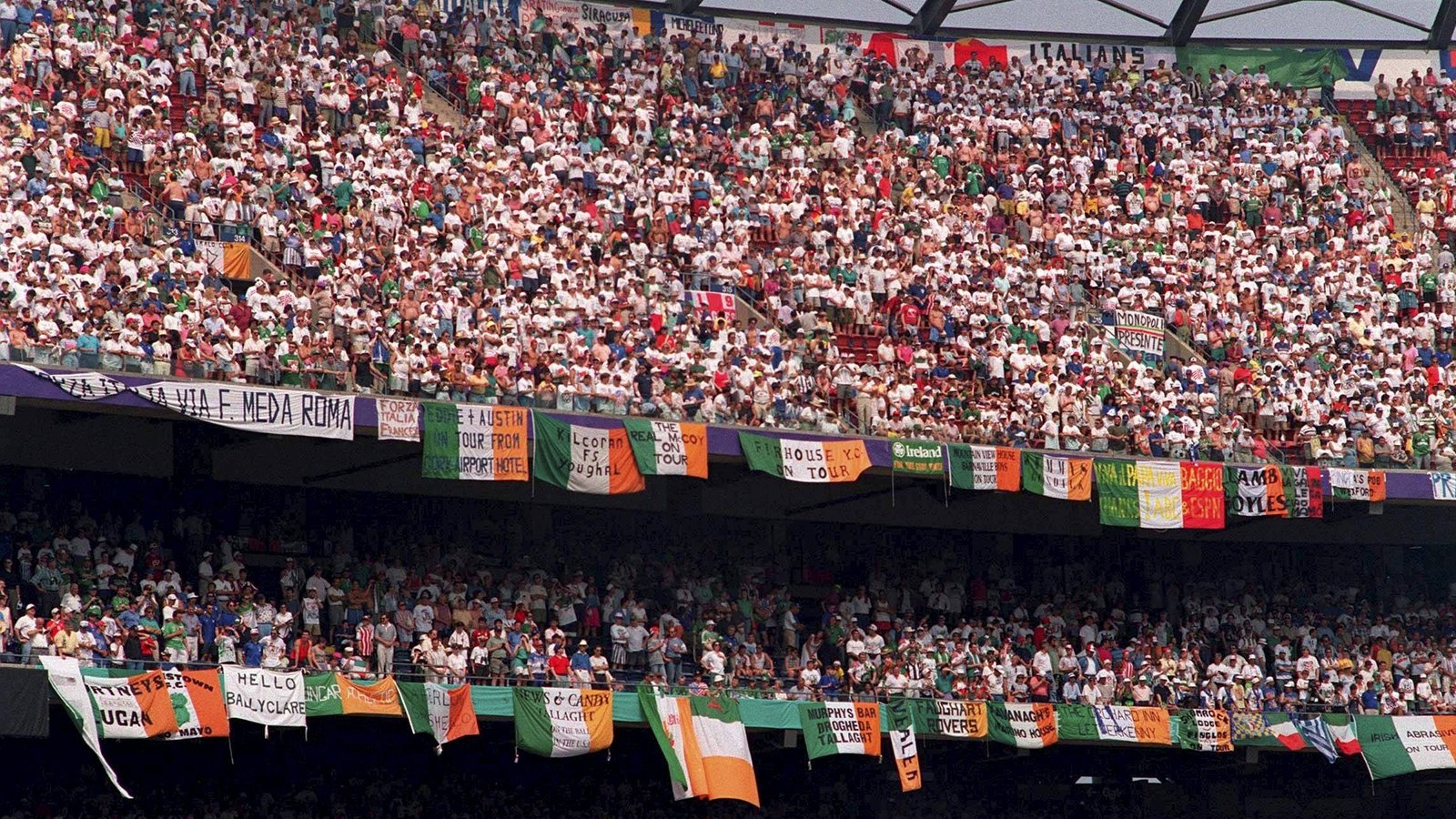
Despite the turmoil, Irish fans traveled in droves, displaying unparalleled enthusiasm and support. From singing in the streets to creating a lively atmosphere in stadiums, they quickly became the darlings of the tournament. It was this same spirit that officials feared might be tarnished by the fallout from the travel agency’s collapse.
Media Misrepresentation
As the tournament progressed, Irish embassy officials faced an additional hurdle: media misrepresentation. In the aftermath of Ireland’s thrilling victory against Italy, the press falsely reported incidents of violence between Irish and Italian supports. Alarmed by these inaccuracies, Noel Kilkenny from the Irish embassy took steps to rectify the situation, highlighting the absence of any disturbances or altercations involving fans. His efforts emphasized the peaceful nature of Irish supporters, aiming to refute the damaging narrative that was taking shape.
An Emblem of Support
This 1994 World Cup was a defining moment not just for the Irish team but for the nation’s fans. Their reputation as friendly, spirited supporters was, in many ways, protective of the public image of the Irish identity abroad. The actions of embassy officials, from obtaining tickets to contesting false media narratives, were critical in ensuring that this reputation remained unblemished during a challenging period.
Government Spending and the Wider Impact
The Irish government’s involvement in this sporting event extended beyond managing the immediate crisis. Documents reveal that significant public funds—amounting to IR£150,000—were allocated towards the World Cup, further emphasizing the national importance placed on the tournament. Among government ministers attending were then-taoiseach Albert Reynolds and various others, strategically placed to enhance Ireland’s presence on the world stage.
The sheer number of Irish fans traveling to the tournament highlighted the depth of support for the national team, with government officials acknowledging the growing interest well ahead of the tournament kick-off. The atmosphere in the stands proved equally important as the performance on the pitch, with an entire nation rallying behind their team.
The Legacy of Irish Fans
As the tournament carried on, it became evident that the 1994 World Cup would be remembered not just for the matches played but for the resilient spirit of Irish fans and the swift actions of embassy officials. Their exemplary conduct amidst adversity not only ensured fans could participate in the matches but also preserved the image of Irish soccer supporters as jovial and well-mannered.
The incredible story of the Irish embassy during the 1994 World Cup serves as a testament to the lengths to which officials will go to protect their country’s reputation and the cherished image of its fans. In many ways, the successful navigation of these challenges only added to the rich tapestry of Irish football history, setting a positive example for future generations of supporters.