


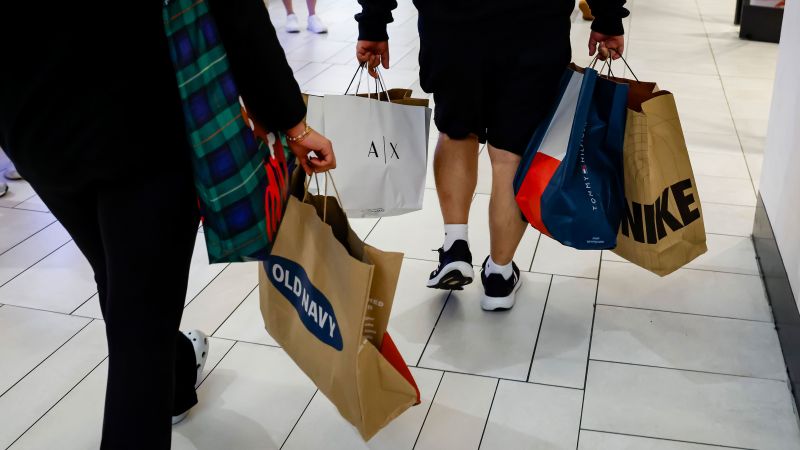
A Look at This Year’s Black Friday Retail Trends
Black Friday, often heralded as the busiest shopping day of the year, saw a remarkable increase in retail sales with figures climbing 4.1% compared to last year. According to data released by Mastercard SpendingPulse, shoppers demonstrated a clear appetite for spending, particularly online. Adobe Analytics reported that online shoppers alone poured a staggering $11.8 billion into the digital marketplace, reflecting a 9.1% increase from the previous year.
The Inflation Factor
However, the reported gains may not reflect the economic reality for many consumers. Inflation poses a significant factor in interpreting these numbers, with prices elevating, leading experts to speculate that the actual spending increase could be as low as 1%. Rick Newman from The Pinpoint Press noted, “We have 3% inflation, so maybe (the 4.1% increase in spending) is a real increase of just 1% or so, which is not that much of an increase.” This perception raises questions about whether the apparent growth in retail activity equates to increased consumer satisfaction or buying power.
Consumption Patterns: A Tale of Two Economies
The current economic landscape reveals a division among spenders. Insights from the Federal Reserve’s latest Beige Book highlighted a stark bifurcation in consumer behavior. Low- and middle-income households are dialing back their expenditure, while high-income consumers continue to splurge on luxury goods and services, including travel. Claudia Lombana, a national consumer expert, remarked, “Consumers have bought fewer items this holiday season, but the average selling prices are higher.” This reflects an eagerness to spend among higher earners while others remain cautious.
The K-Shaped Economy Explained
This scenario aligns with the concept of a K-shaped economy, where wealthier individuals benefit from rising stock markets and property values, enjoying a transformative upward trajectory in their financial standing. Conversely, lower-income individuals often face wage stagnation, job insecurity, and increased living costs. Newman elaborated on this dynamic, stating, “If you’re lucky enough to own stocks and own a home, you’re part of the upper slant of that cave; you’re going to be comfortable spending a fair amount of money this year.”
Changing Consumer Mindsets
A staggering 85% of consumers now expect heightened costs, primarily influenced by economic policies and global uncertainties. Newman notes a common awareness of tariffs, but consumers are perceptively wrestling with broader issues such as job security and essential expenses. Amid rising heating and grocery costs, many are opting to pinch pennies this holiday season, shifting their focus on value and practicality.
Shifting Retail Landscapes
As shoppers become increasingly discerning, they gravitate toward retailers that offer both affordability and essential products. Stores like Walmart and TJ Maxx are flourishing, catering to a market where consumers are prioritizing savings. Meanwhile, competitors like Target are facing challenges, pushing them to rethink their strategies amidst fluctuating consumer behaviors.
Spending Habits Shifting Yet Resilient
Despite the cost-of-living squeeze, shoppers are expected to maintain a level of festive expenditure. The National Retail Federation (NRF) forecasts a retail growth between 3.7% and 4.2% this holiday season, highlighting a resilient spirit in consumer habits. Apparel sales surged both online and in stores, as seen from Mastercard’s data, reflecting a trend where shoppers are not only seeking deals but also enhancing their wardrobes.
Innovations in Payment Options
The shopping landscape is also witnessing innovations in payment methods, with “buy now, pay later” services surging in popularity. Adobe forecasts consumers will spend an impressive $20.2 billion utilizing this payment method over the holiday season. This trend emphasizes the need for flexible financial solutions as people adapt to the current economic climate.
Early Shoppers and Cyber Monday Expectations
The holiday spirit seems alive and well, with reports indicating that half of American consumers began shopping well before Halloween this year. The pivotal shopping period from Thanksgiving through Cyber Monday is critical for retailers, with expectations high for online sales influxes. Lombana points out, “Consumers are definitely being more cautious, but during the holidays, they also want to engage in the holiday spirit.”
Conclusions and Reflections
As shoppers navigate through economic pressures, the emphasis on value, careful budgeting, and the quest for the best deals will likely shape the retail landscape this season. It’s a fascinating time as we observe how varying income levels and consumer sentiments interact with broader economic trends during this festive season.