


On Friday, current and former members of Congress, alongside police officers affected by the violent attack on the U.S. Capitol on January 6, 2021, returned to federal court in Washington, D.C. This civil case, Lee, et al. v. Trump, represents a significant avenue for holding Donald Trump accountable for his alleged role in trying to overturn the 2020 election results.
The plaintiffs argue against Trump’s claim of presidential immunity, emphasizing that his actions leading up to the deadly Capitol riot that resulted in five deaths and nearly 200 injured police officers cannot be shielded from civil accountability.
With support from the NAACP as co-counsel, the plaintiffs assert that Trump conspired with right-wing extremist groups such as the Proud Boys and Oath Keepers during a rally he hosted mere yards from the White House. This rally was a critical moment aimed at obstructing lawmakers’ constitutional duties and certifying the 2020 election results.
“The rule of law means nothing if it does not apply equally, including to those who once held the highest office in the land,” stated NAACP President and CEO Derrick Johnson. He emphasized the significance of January 6 as not only an attack on Congress but also an assault on the voting rights of millions of Americans. The courts, he believes, are the independent venues necessary to establish a factual, apolitical record of the events.
The case is grounded in the Ku Klux Klan Act of 1871, enacted during the Reconstruction Era to combat violence and intimidation directed at African Americans and their supporters. Following the Civil War, Black voters mobilized significantly, resulting in the election of many Black representatives. However, this momentum faced severe pushback through racial terror and the establishment of Jim Crow laws that aimed to curtail Black progress.
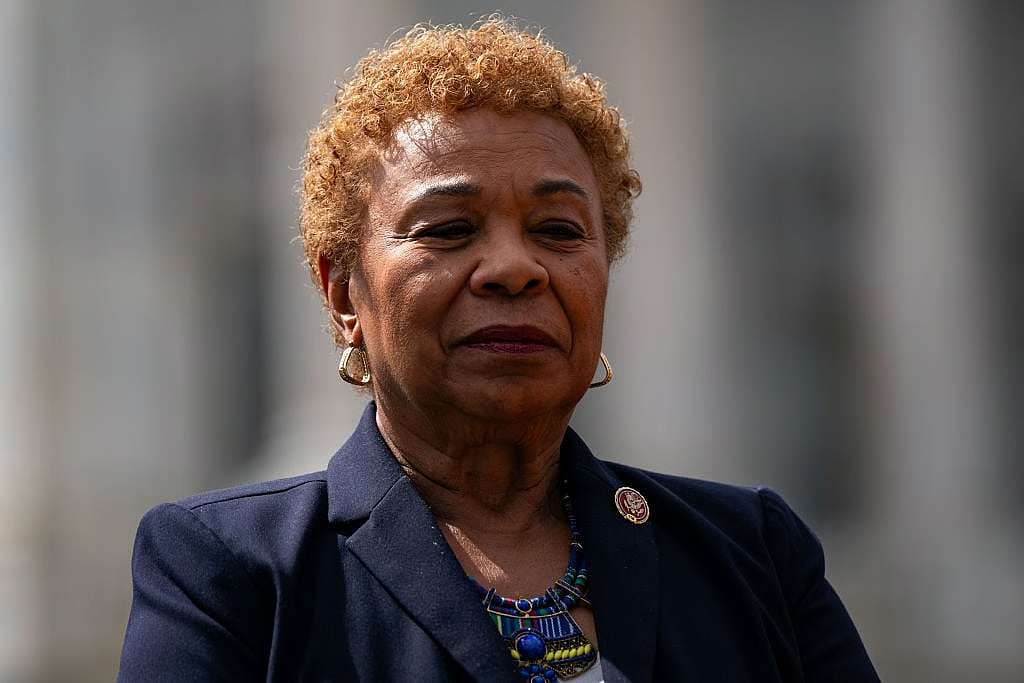
Lead plaintiff, former U.S. Rep. Barbara Lee, emphasized the lawsuit’s foundation in the legal principle that no one is above the law. “This is particularly poignant as we reflect on the intentions of the [Ku Klux] Klan Act, which emerged at a time when many sought to silence the voices of Black Americans in government,” she conveyed to theGrio.
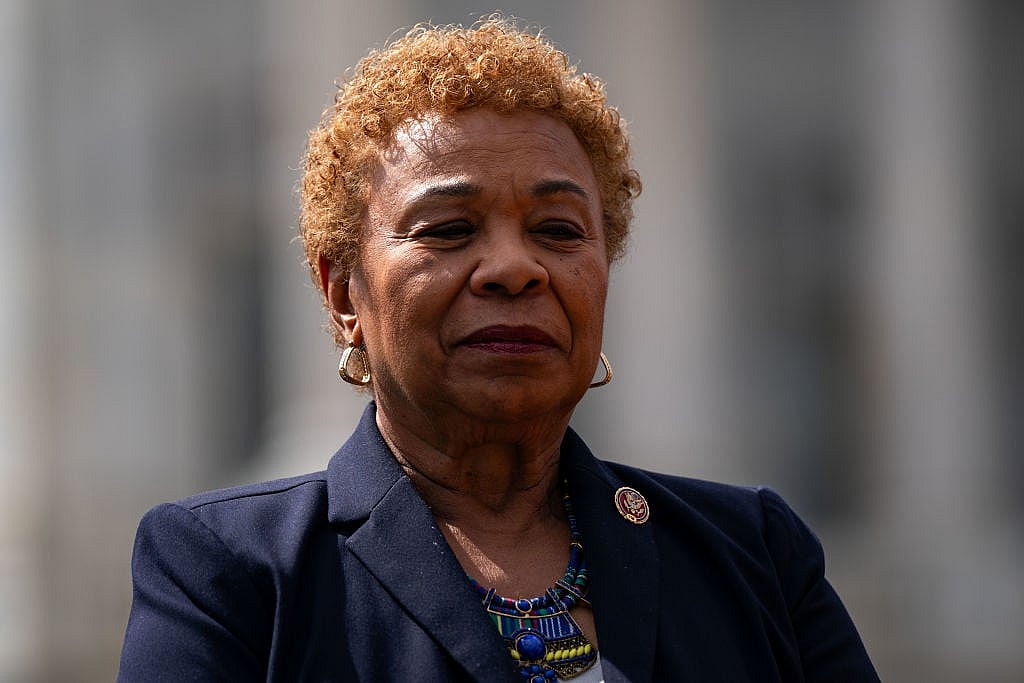
Lee, who is now the Mayor of Oakland, highlighted the alleged attempts to undermine the voices of voters, particularly Black voters who were specifically targeted by the Trump campaign in states like Georgia and Pennsylvania. She framed these actions as extending voter suppression tactics aimed at disenfranchising marginalized communities.
“As we near the fifth anniversary of that harrowing day, we still lack accountability for Trump, the Proud Boys, and others deemed responsible for the Capitol attack,” remarked Demon Hewitt, president and executive director of the Lawyers’ Committee for Civil Rights Under Law, representing law enforcement officers involved in the class-action lawsuit.
Hewitt criticized the aftermath of January 6, pointing out over 1,500 pardons and a shift among some politicians who have begun to excuse the actions of insurrectionists, resulting in a troubling glorification of those involved.
Former Congresswoman Lee vividly recalled her experience on January 6 as she and her colleagues scrambled for safety, fearful for their lives while they sought to certify the presidential election results. Reflecting on the bravery of law enforcement officers who defended Congress during the attack, she expressed concern for their ongoing trauma.
“We are aware of their struggles, as many remain affected by the events of that day,” she shared with theGrio.
Comparing Trump’s alleged actions to those of dictators globally, Lee expressed her belief that he embodies similar tactics to undermine democratic processes. “The similarities are clear; his motives manifest in his policies, appointments, and ongoing efforts to undermine governance,” she asserted, illustrating the gravity of the situation as she referred to her extensive travels and observations of authoritarian regimes.
In the face of Trump’s attempts to recast the narrative surrounding January 6—characterizing the insurrection as a peaceful gathering or issuing pardons for those charged—Lee firmly stated, “We know what truly transpired on January 6.”
“The judiciary represents the last means of protection for individuals and our democracy. It is crucial to emphasize that no one, absolutely no one, is above the law,” she concluded, underscoring the importance of the legal process in holding powerful figures accountable.