


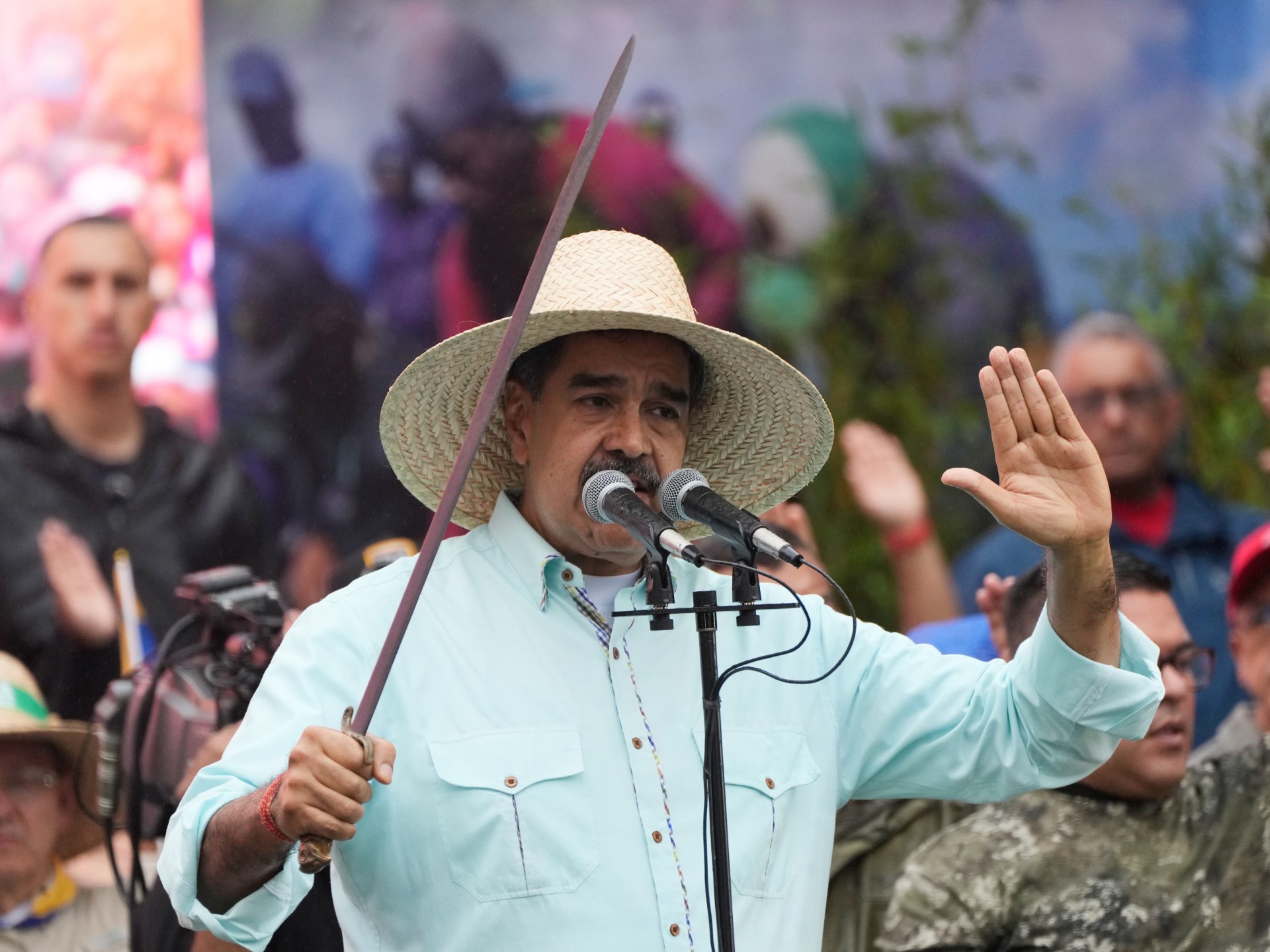
Venezuela’s Diplomatic Shift Amid U.S. Tensions
In a surprising turn of events, Venezuelan President Nicolas Maduro has adopted a more conciliatory tone toward the United States. During a recent interview, he expressed openness to negotiating a deal focused on combating drug trafficking, despite ongoing tensions between the two nations. This shift comes as Washington has maintained a strict sanctions regime and military pressure on Venezuela, largely aimed at undermining Maduro’s government.
Negotiation Offers and Prisoner Releases
Acknowledging the complexities of U.S.-Venezuela relations, Maduro proposed dialogue on issues such as drug trafficking, oil, and migration, stating, “Wherever they want and whenever they want.” This declaration reflects a significant change from previous positions, where he often rejected any form of negotiation with the U.S. Furthermore, his government has made gestures toward reform by releasing over 80 prisoners accused of protesting his highly contested 2024 election victory. Such moves seem aimed at softening his image and possibly making diplomatic overtures more plausible.
Accusations Against the U.S.
Despite this newfound willingness to engage, Maduro reiterated his suspicions that the U.S. aims to topple his government in order to gain access to Venezuela’s abundant oil reserves. He emphasized the readiness of Venezuela for U.S. investment in oil, specifically mentioning the American oil giant Chevron. This juxtaposition of negotiation and accusation reflects the complexities and contradictions inherent in international diplomacy, especially between a U.S. power grappling with drug-related issues and a Venezuelan government facing harsh economic realities.
U.S. Military Operations and Tensions
The backdrop of this diplomatic overture includes recent military actions by the U.S., including a reported CIA-led strike targeting Venezuelan drug boats. While Maduro did not directly confirm the attack’s authenticity, he acknowledged its potential significance, stating this could be a discussion point in the near future. Such military actions have escalated tensions between the two nations, with the U.S. previously launching numerous aerial operations aimed at alleged drug smuggling vessels originating from Venezuela.
The U.S. Perspective on Drug Trafficking
From the U.S. perspective, President Trump has framed the issue of drug trafficking in Venezuela as a national security threat. In his remarks, he has labeled the Venezuelan government’s actions as a form of “narcoterrorism,” alleging that Maduro leads a network intent on destabilizing the U.S. by flooding it with drugs. Interestingly, experts note that while Venezuela is implicated in drug trafficking, it is not a significant player in the illicit fentanyl trade, which has become the leading cause of overdose deaths in America.
Human Cost of Drug War
The military operations have not come without serious humanitarian consequences. Reports indicate that U.S. strikes have resulted in a significant number of civilian casualties. The Trump administration has announced over 35 boat strikes in the Caribbean and eastern Pacific, claiming at least 115 individuals have lost their lives, many of whom were Venezuelan or Colombian nationals. These numbers reflect the tragic human cost associated with the U.S. strategy against drug trafficking.
Continuing Dialogue
As the situation evolves, Maduro’s readiness for dialogue offers a potential pathway for easing tensions but also highlights the broader geopolitical stakes involved. The challenges surrounding drug trafficking, humanitarian impacts, and energy resources are interwoven into the fabric of U.S.-Venezuela relations. Both countries find themselves at a crossroads, where negotiations might pave the way for more constructive engagement, yet underlying suspicions and accusations remain potent challenges.
Outlook
In this complex diplomatic landscape, the coming days and weeks will be critical as both nations navigate their fraught relationship, balancing the needs for dialogue and genuine cooperation against longstanding suspicions and accusations. How both sides respond to this moment could significantly shape the future of their interactions, affecting not only political dynamics but also the lives of everyday citizens caught in the crossfire.