


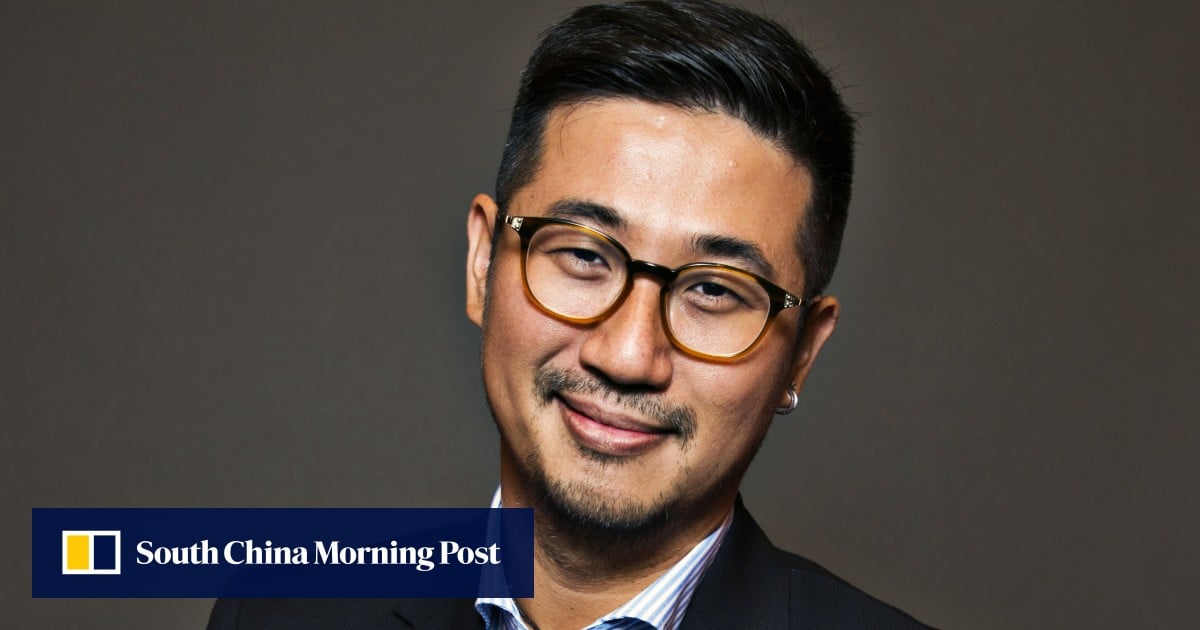
Paul Cheung: New Leadership at the Committee of 100
Introduction to Paul Cheung and C100
Recently appointed as president of the Committee of 100 (C100), Paul Cheung steps into a significant role within a prominent non-profit organization that comprises influential Chinese-Americans. Founded in 1990, C100 aims to foster dialogue and understanding between China and the United States, particularly during challenging geopolitical times. The organization’s mission is not just about promoting business, but about creating mutual respect and understanding across cultural boundaries.
The Context of Cheung’s Leadership
Cheung’s leadership comes at a pivotal moment. The US-China relationship is increasingly fraught, impacted by economic rivalry, political distrust, and a rise in anti-Asian sentiment in the United States. It’s a period where effective communication and collaboration are more crucial than ever. Through his role, Cheung intends to strengthen bilateral exchanges across various fronts—business, education, and cultural dialogue—aiming to foster more nuanced relationships.
Addressing Anti-Asian Hate
In the wake of escalating anti-Asian hate crimes, Cheung has articulated the Committee of 100’s commitment to addressing the root causes of this prejudice. C100 seeks to amplify voices within the Chinese-American community, advocating for policies that not only combat discrimination but also strengthen cultural understanding. Cheung perceives this as not merely a political issue but a societal one, where human-to-human relationships hold transformative power.
Navigating US-China Relations
When asked about his strategy to maintain a neutral stance amid US-China tensions, Cheung emphasized the value of context and nuance. He recognized that while the direct governmental relationship between the two nations may be contentious, the connections that ordinary citizens share are vital. Cheung believes that the Committee can act as a bridge—not as a direct intermediary between governments but as a facilitator for understanding among individuals and communities.
Human-to-Human Understanding
“Human-to-human relations are something no one talks about,” Cheung pointed out. He highlighted that the personal narratives of individuals experiencing the realities of these two cultures often go unheard. Whether it’s an American learning Mandarin or a Chinese citizen engaged with Americans, these stories are crucial in shaping perceptions and fostering empathy.
The Role of C100 in International Narrative
Cheung also articulated the broader implications of US-China relations on global dynamics. “The relationship between the US and China is no longer just government to government,” he noted. “Its impact extends to citizens across continents, affecting not only those in Asia but communities in Europe, Africa, and Latin America.” This global perspective adds weight to the Committee’s mission, making it all the more essential to share diverse narratives that reflect the complexities of these connections.
Engaging Through Dialogue and Narratives
To effectively engage with the public and counteract misinformation, Cheung plans to utilize various platforms to share compelling stories and insights from both sides. By creating narratives that resonate on a personal level, C100 aims to demystify both cultures and build common ground. In doing so, they hope to diminish stereotypes and foster deeper understanding.
Conclusion
As Paul Cheung embarks on his presidency, the Committee of 100 stands at a fascinating crossroads, poised to facilitate critical dialogue at a time when it is urgently needed. Through strategic engagement and an emphasis on human relations, Cheung is committed to navigating the complexities of the US-China relationship while addressing the pressing issues faced by the Asian-American community. His leadership reflects a broader vision for a future where understanding and cooperation can bridge even the deepest divides.