


The Grinch Who Stole Christmas: Maxine Waters’ Critique of Donald Trump’s Economic Policies
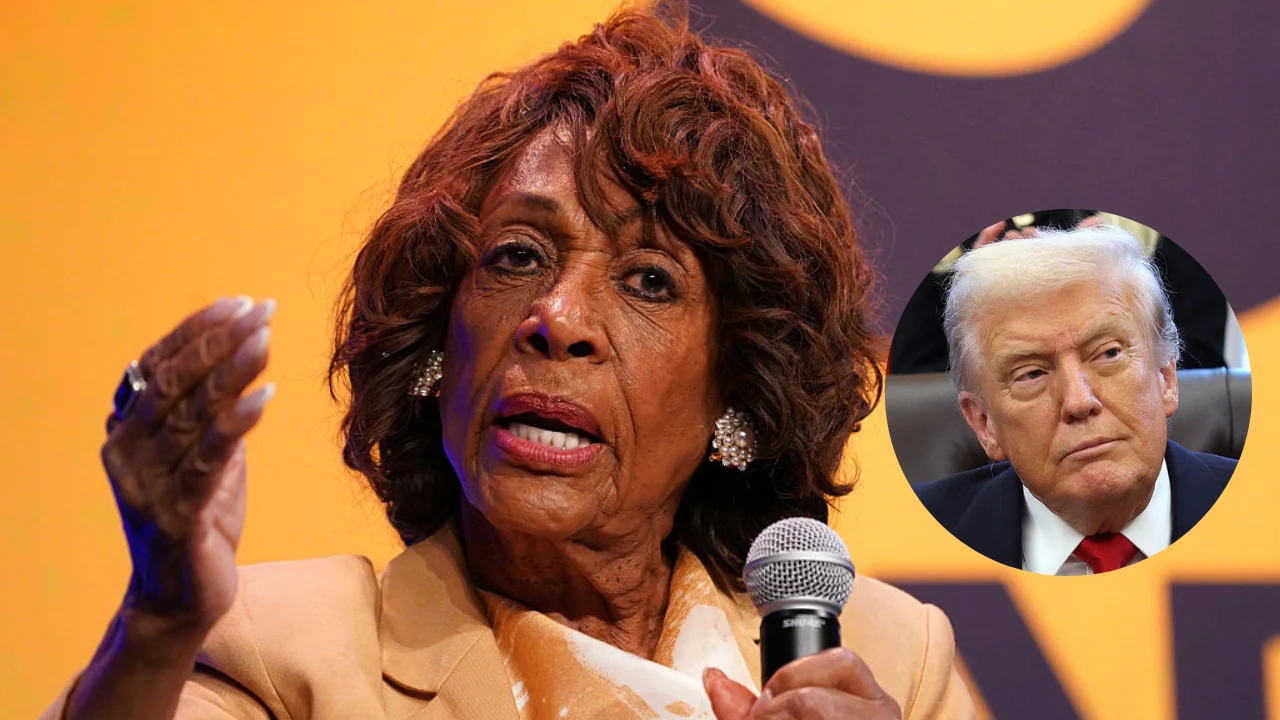
In a striking political remark, U.S. Representative Maxine Waters has dubbed President Donald Trump “The Grinch who stole Christmas,” positioning her critique within a broader discussion of the impact of his economic policies on American families. As a veteran Democratic lawmaker and the ranking member of the House Financial Services Committee, Waters has a well-established platform from which to voice her concerns about Trump’s administration and its perceived negligence towards economic accessibility for ordinary citizens.
The Economic Squeeze on Households
Waters made her comments during a recent House Financial Services Committee hearing, emphasizing a pressing concern faced by many families: the rising costs of essential goods. “During the Thanksgiving break, many of us heard similar sentiments from our constituents: groceries for Thanksgiving dinner were significantly more expensive this year,” she lamented. This increase in living costs, she asserts, has put a strain on holiday spending, making the season less joyous for many.
She criticized Trump’s economic management strategies, arguing that the promises of lowered costs and enhanced stability have fallen short. “Instead, his administration is dismantling institutions crucial to maintaining a stable economy,” Waters stated, highlighting the administration’s attempts to undermine the independence of the Federal Reserve. Such actions, she claims, prioritize Trump’s personal interests over those of average Americans, diluting the foundations of economic support.
Inflation: A Harsh Reality
As inflation continues to rattle the American economy, the Democrats have identified affordability as a key issue. Waters pointed out that voters voiced their frustrations during the recent general elections, leading to significant wins for Democratic candidates. “The ongoing impact of inflation is palpable; families are now more concerned than ever about their financial wellbeing,” she noted. With essentials becoming increasingly unaffordable, Waters argues that Trump’s tariff policies have exacerbated the issue, pushing many U.S. businesses into turmoil.
In her analysis, Waters referenced a report from the Center for American Progress, asserting that Black businesses and workers have been disproportionately affected by these economic policies. This inequality presents a stark reality for workers who are already navigating systemic obstacles, deepening the divides within the U.S. economic landscape.
A Broader Economic Critique
The economic challenges brought about by rising costs have prompted Waters to address the overarching corporate interests that she believes have taken precedence over the needs of the working class. “The cost of living is becoming unbearably high, and the American Dream feels increasingly out of reach,” she asserted. Her words resonate with countless individuals and families grappling with the harsh truths posed by an economy that seems to favor wealth accumulation at the expense of everyday citizens.
Highlighting the bipartisan concern surrounding Trump’s economic management, Waters noted even critics from within his own party have started acknowledging these issues. Citing Republican Representative Marjorie Taylor Greene as an unlikely ally in recognizing the adverse effects of Trump’s policies, Waters showcased a growing discontent that transcends partisan lines.
The Role of Regulatory Institutions
Further criticizing the Trump administration, Waters pointed to moves that have weakened regulatory frameworks, particularly those responsible for overseeing major financial institutions. She expressed grave concerns about the administration’s efforts to “unlawfully” shut down the Consumer Financial Protection Bureau (CFPB), a body designed specifically to safeguard consumers from unfair practices by financial entities. “This agency is vital for ensuring that Americans are treated fairly by big banks and corporations,” she asserted.
Waters fears that without a robust regulatory framework, the banking system is more susceptible to crises similar to the collapse of Silicon Valley Bank, echoing the vulnerabilities exposed in earlier financial downturns.
The Trump Family’s Financial Gains
Adding another layer to her critique, Waters pointed out the financial windfall experienced by Trump’s family, which she claimed contrasts sharply with the struggles faced by the average citizen. “While Americans grapple with their economic realities, Trump and his family have profited handsomely—nearly $2 billion through cash, gifts, and crypto,” she said. Her remarks suggest a growing indignation towards what she and many others perceive as corruption, where personal gains overshadow the needs of the populace.
Looking Ahead
Waters’ critiques offer a glimpse into the larger narrative unfolding around Trump’s presidency and economic policies. With the financial realities faced by millions of Americans at the forefront, her advocacy for a more equitable economic framework underlines the complexities of governance and the responsibilities that leaders hold towards their constituents. As discussions about affordability and economic stability continue, the stakes remain high for both policymakers and the families they represent.