


The Rising Tide of U.S. Interventionism: A Deep Dive into Recent Events
The Landscape of Modern Interventionism
In a rapidly evolving global context, the United States has increasingly engaged in bold foreign policy maneuvers, especially under the Trump administration. This shift has sparked national and international discourse, raising eyebrows both at home and abroad. The focus: U.S. military and political interventions, particularly in the Western Hemisphere, which has provoked a wave of criticism and concern.
Stephen Miller’s Defense of Military Aggression
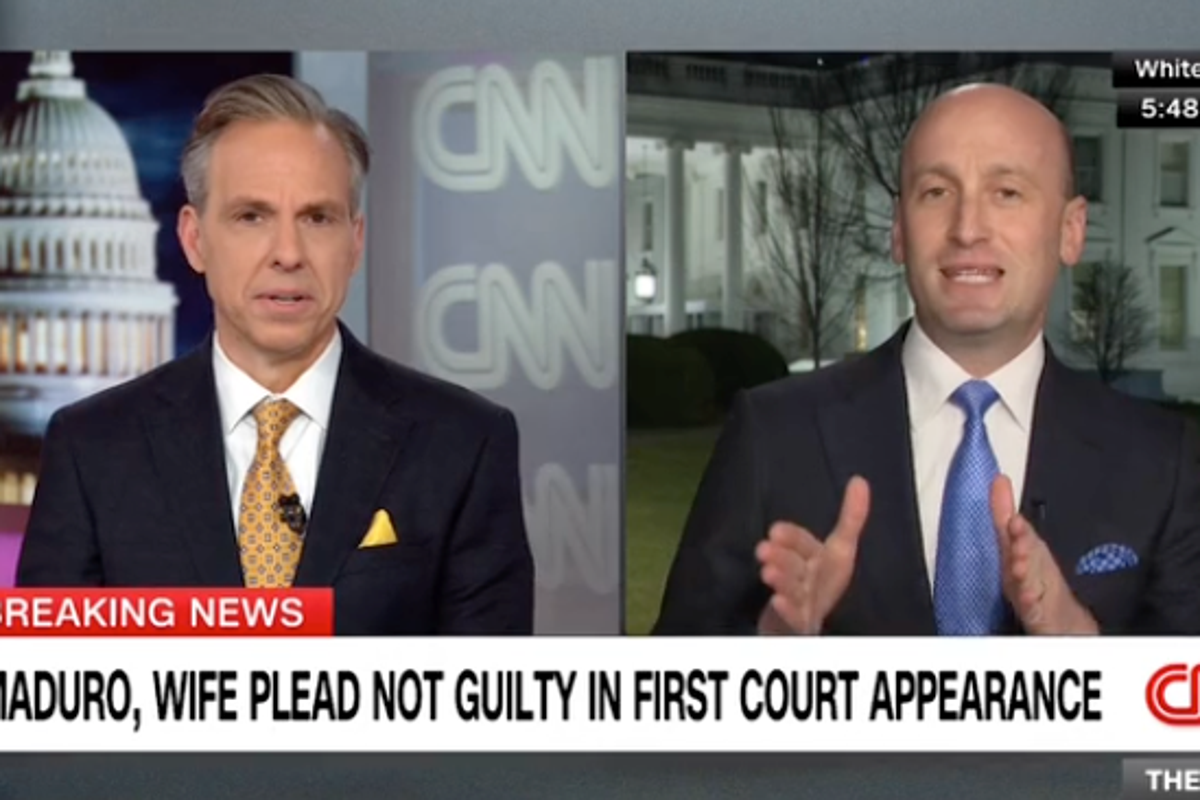
A CNN interview highlighted a striking moment when Stephen Miller, then deputy White House chief of staff and Homeland Security adviser, vociferously defended the Trump administration’s aggressive stance on foreign interventions. In a heated exchange, he emphasized the “Trump doctrine,” which endorses using military force to safeguard U.S. interests. According to Miller, this military posture is not only justified but necessary for securing what he termed the “future of the free world.”
During the discussion, Miller showcased unwavering confidence in America’s superpower status, stating, “We’re a superpower, and under President Trump, we are going to conduct ourselves as a superpower.” This assertion reflects the broader narrative the administration has woven, positioning military might as a primary tool for foreign policy.
The Controversial Capture of Nicolás Maduro
A core focus of Miller’s argument was the U.S. government’s controversial actions in Venezuela. The Trump administration’s decision to capture Nicolás Maduro, a figure deemed a “tinpot communist dictator,” was presented as a necessary step to prevent drugs, crime, and antagonistic foreign influence from infiltrating the U.S. Miller succinctly stated, “We’re not going to let a country fall into the hands of our adversaries.”
Critics, however, question the justification behind such actions, noting the delicate nature of international law and sovereignty. The capture of a foreign leader raises significant ethical questions about interventionism and respect for national boundaries, provocation that Miller confidently rebuffed in the interview.
Greenland: The New Frontier of U.S. Ambitions
In a surprising pivot, the Trump administration’s focus also shifted to Greenland, which has come under scrutiny for being a territory of Denmark. Miller’s rhetoric suggested an aggressive ambition to assert U.S. dominance over Greenland’s resources. He provocatively questioned Denmark’s claim over the island, asking “what right” the country had to maintain its control.
While Miller’s comments echoed imperialistic sentiment reminiscent of a bygone era, the response from Danish and Greenlandic leaders was swift and resolute. Danish Prime Minister Mette Frederiksen articulated a firm stance against any notion of military intervention, emphasizing the importance of mutual respect between allies.
International Responses to U.S. Military Posturing
The U.S. government’s aggressive posturing has not gone unnoticed on the international stage. Leaders from NATO, the European Union, and the affected regions have expressed significant discontent. Danish lawmaker Anders Vistisen deemed Miller’s statements “appalling” and warned of the risks associated with undermining a NATO ally’s sovereignty.
The EU’s response was equally stern, reinforcing the principles of national sovereignty and territorial integrity. EU spokesperson Anitta Hipper reminded the international community that such principles underpin diplomatic relations and must be defended staunchly.
Domestic Reactions: Mixed Responses
Within the U.S., reactions are divided. Complimentary voices, like Fox News anchor Jesse Watters, have praised the administration’s aggressive strategies, framing them as necessary measures to counteract foreign influence from adversarial nations.
Watters articulated a sentiment prevalent among Trump’s supporters: “If you don’t use it, you lose it.” He underscored the belief that the U.S. must flex its muscles to maintain its interests, both in Greenland and beyond. This perspective reveals a faction of American society that supports interventionist philosophies to safeguard national interests.
The Broader Implications of Interventionist Policies
As the Trump administration prepares for potential further interventions, including warnings to Colombia and Mexico, the implications of these actions are profound. The potential for military operations in neighboring countries raises questions about regional stability, international law, and the foundational principles that govern international relations.
With ongoing tensions and the use of military force justified through national security rhetoric, the future of U.S. foreign policy remains a landscape marked by both opportunity and risk. The dialogue around interventionism and aggressive military posturing will likely shape the U.S.’s international reputation and relationships for years to come.