


Unpacking the Shift in American Attitudes Toward Immigration and ICE
In recent years, the landscape of public opinion regarding immigration enforcement in the United States has seen a significant evolution. A pivotal shift appears to have occurred concerning the role of Immigration and Customs Enforcement (ICE), especially in the wake of prominent incidents and political developments. Understanding these changes is crucial for grasping the current immigration debate and the broader implications for American society.
A Changing Public Perception
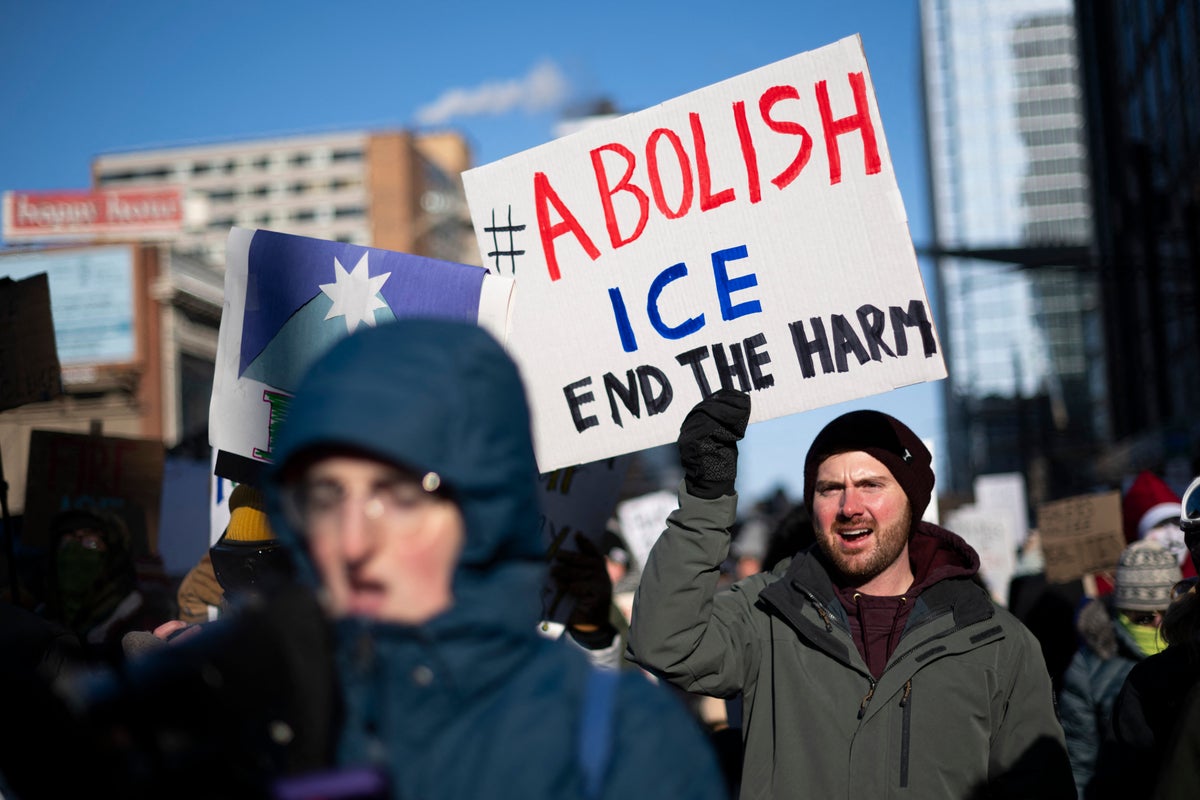
During the 2024 election cycle, many Americans supported the mass deportation of undocumented immigrants, aligning themselves with then-candidate Donald Trump’s promises. His campaign emphasized the need for stringent immigration measures, including extensive ICE operations aimed at undocumented residents. However, a recent YouGov poll indicates a distinct pivot in American attitudes. Currently, 46% of Americans favor abolishing ICE, surpassing the 41% who wish to maintain it. This change illustrates a growing discontent with the agency’s practices, particularly as it confronts mounting criticism for its handling of immigration enforcement.
The Impact of High-Profile Incidents
A series of high-profile incidents involving ICE have fueled public outrage and skepticism. Two fatal shootings of U.S. citizens by federal agents in Minneapolis within a month have laid bare the consequences of aggressive immigration enforcement tactics. In one case, Alex Pretti was shot following a confrontation that many witnesses believe escalated unnecessarily. Such events have raised questions about the accountability and operational guidelines of ICE, leading to a considerable backlash among the public and calls for reform.
Party Lines and Legislative Implications
Notably, support for abolishing ICE transcends traditional party boundaries, with 76% of Democrats advocating for its dissolution compared to 73% of Republicans who oppose it. Among independents, 47% are in favor of abolishing the agency. This bipartisan concern reflects a growing unease about ICE’s role in communities, especially among those who have witnessed or heard about the agency’s controversial tactics firsthand.
Public Disapproval of ICE Tactics
The YouGov poll also highlights widespread dissatisfaction with ICE’s operational practices. Nearly 48% of Americans expressed strong disapproval of the agency’s handling of immigration enforcement, with an additional 9% somewhat disapproving. A staggering 58% characterized ICE’s tactics as excessively forceful. These responses underscore a critical assessment of how immigration policies are enforced and suggest a desire for reform rather than mere opposition to immigration enforcement altogether.
Political Fallout from Enforcement Actions
The public discontent with ICE and Trump’s immigration policies has markedly affected the former president’s approval ratings. A Reuters/Ipsos poll indicates that Trump’s overall approval stands at a meager 38%, with 53% of Americans disapproving of his immigration policies. This rapid decline in support may be indicative not only of specific incidents but also a broader national mood shifting toward a more humane approach to immigration.
The Role of Independent Journalism
In this climate of rapid change, independent journalism plays a critical role in informing the public about these developments. Outlets like The Independent emphasize the importance of accessible reporting and analysis, free from paywalls. Their coverage, which often delves deep into issues such as reproductive rights, climate change, and immigration, strives to provide the facts necessary for an informed citizenry.
As these dynamics continue to unfold, the pressing issues surrounding immigration enforcement will undoubtedly remain central to the nation’s political discourse. With evolving public attitudes and the persistent scrutiny of government actions, the future of ICE and immigration policy could very well redefine the American narrative on what it means to foster a just and equitable society.