


The Revocation of Temporary Protected Status for Haitians
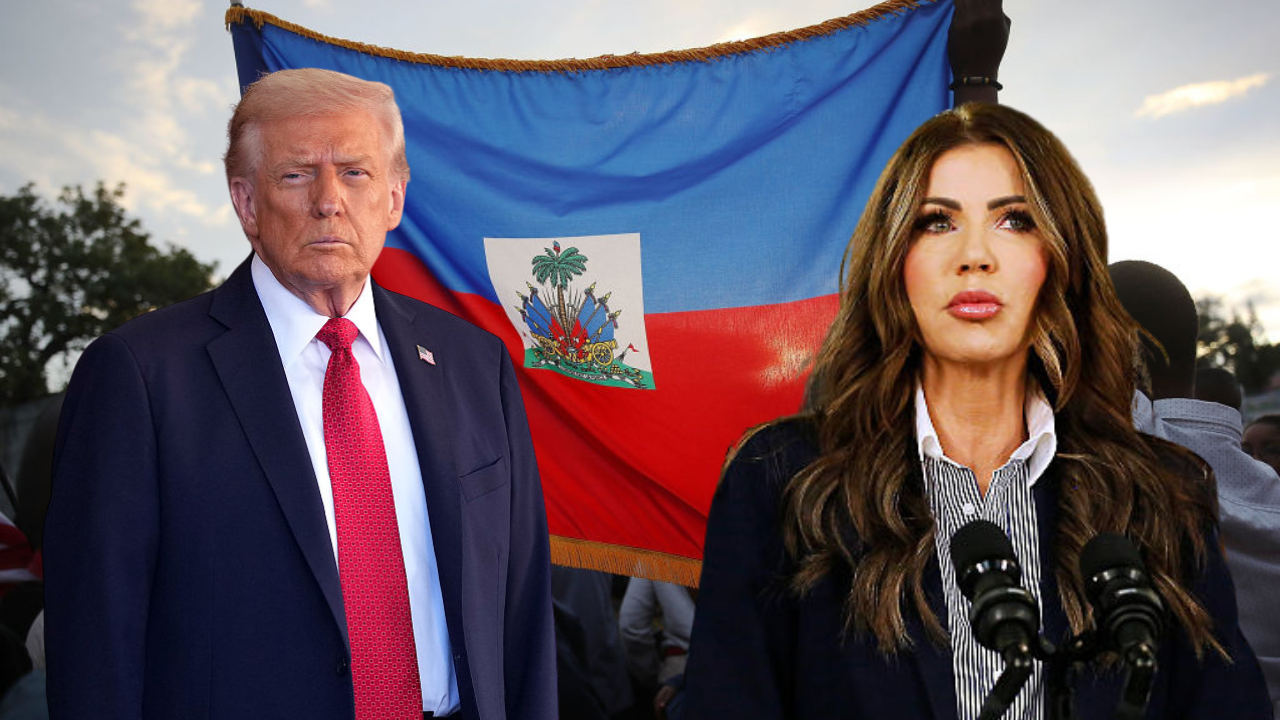
The recent announcement from the Trump administration stating the termination of Temporary Protected Status (TPS) for Haitian nationals in the United States has drawn significant backlash, particularly given Haiti’s current state of turmoil. Despite the country’s ongoing violence and escalating political and economic crises, the administration has decided to end TPS for approximately 353,000 Haitians, effective February 3, 2026.
Humanitarian Concerns
This decision has raised urgent humanitarian concerns. Organizations advocating for Haitian rights have vehemently criticized the administration’s choice, especially as it came so close to Thanksgiving. Guerline Jozef, executive director of the Haitian Bridge Alliance, termed the revocation an act of “state-sponsored cruelty.” Jozef points out the inherent contradiction in sending people back to a country the U.S. government itself has categorized as a “level 4 do not travel” destination due to its severe instability.
The ramifications of this decision extend beyond the individuals directly affected; they ripple through the fabric of Haitian society. Jozef warned that many families in Haiti depend on remittances from relatives living abroad. Taking away TPS undermines this crucial financial support system, exacerbating the struggles of those still living in Haiti.
Official Justifications
In a memo issued by the Department of Homeland Security, the administration stated that Haiti “no longer meets” the statutory requirements for TPS. This assessment was made after a review by U.S. Citizenship and Immigration Services (USCIS) and based on input from relevant federal agencies. The memo suggests that the administration believes keeping Haitian nationals temporarily in the United States clashes with national interests.
Encouraging Voluntary Departure
Alongside the announcement, the Trump administration has urged Haitians currently under TPS to voluntarily depart the U.S., utilizing the CBP Home mobile application for reporting their departure. To incentivize this, the administration offers perks such as complimentary plane tickets, a $1,000 “exit bonus,” and potential future pathways for legal immigration.
This approach, however, is seen as inadequate and exploitative by many advocates of Haitian rights. They argue that offering financial incentives to leave masks the severity of the situation awaiting returnees in Haiti.
Legal Battles and Challenges
This is not the first time the Trump administration has attempted to revoke TPS for Haitians. A previous push to end the immigration status was blocked by a federal judge in July, signifying the contentious legal landscape surrounding TPS. The current revision represents a renewed attempt to alter the status of individuals who have sought safety in the U.S. for over a decade.
A Broader Humanitarian Crisis
The conditions in Haiti are dire, with reports indicating that more than 1.4 million Haitians are displaced due to violence and dire living conditions, according to the International Organization for Migration. UNICEF estimates that over 6 million people, more than half the population, require humanitarian assistance, including approximately 3.3 million children.
Jozef emphasized the need for communities affected by the revocation of TPS to resist the notion that they must justify their right to live, work, and be safe. “TPS is the bare minimum of protection, and even that is being stripped away,” she stated, highlighting the urgency of advocacy and collective action.
Community Resilience
In the face of these challenges, many advocates and organizations are mobilizing to resist what they see as legislative violence against immigrant families. There’s a growing call to continue organizing and fighting for a world where migration is no longer weaponized against the most vulnerable populations.
This ongoing situation not only highlights the complexities of immigration policy in the United States but also underscores the profound humanitarian implications for individuals and families affected by such decisions.