



In recent days, a heated exchange has erupted surrounding U.S. Congresswoman Ilhan Omar and former President Donald Trump. In an attempt to deflect criticism regarding his derogatory remarks labeling Omar and Somali immigrants as “garbage,” Trump made a controversial remark about Black Americans, linking them to “scams” during a rally in Mount Pocono, Pennsylvania.
During this rally, which primarily aimed at touting his administration’s economic policies, Trump accused Democrats of transforming Pennsylvania into a “dumping ground” for immigrants from “dysfunctional places” like Somalia. He claimed these immigrants were being given billions of taxpayer dollars, insinuating that these funds had been misappropriated and that those responsible should be jailed. This rhetoric feeds into a growing narrative of scapegoating immigrants amid broader political tensions.
The spike in anti-immigration sentiment from Trump and the White House follows two significant events: the shooting of National Guardsmen in Washington, D.C., by an Afghan national and reports of Somali immigrants in Minnesota committing fraud with COVID-19 relief funds. Both instances have provided fodder for the Trump administration to bolster claims that strict immigration enforcement needs to be intensified.
Trump’s remarks about Omar were particularly pointed, describing her as the head of a “scam.” This accusation aligns with a wider discourse aimed at discrediting the congresswoman, who has been a frequent target of Trump’s vitriol. He further countered her claims of discrimination by feigning indignation at her response to his comments.
Interestingly, Trump shifted his focus to the Black community, claiming, “Black people love Trump. I got the biggest vote,” referring to the increased percentage of Black voters who backed him in the 2024 election. He cited a jump from 8% to 15%, a statistic that, although notable, must be contextualized within historical voting trends; previous Republican candidates saw up to 70% of the Black vote during the early 20th century.
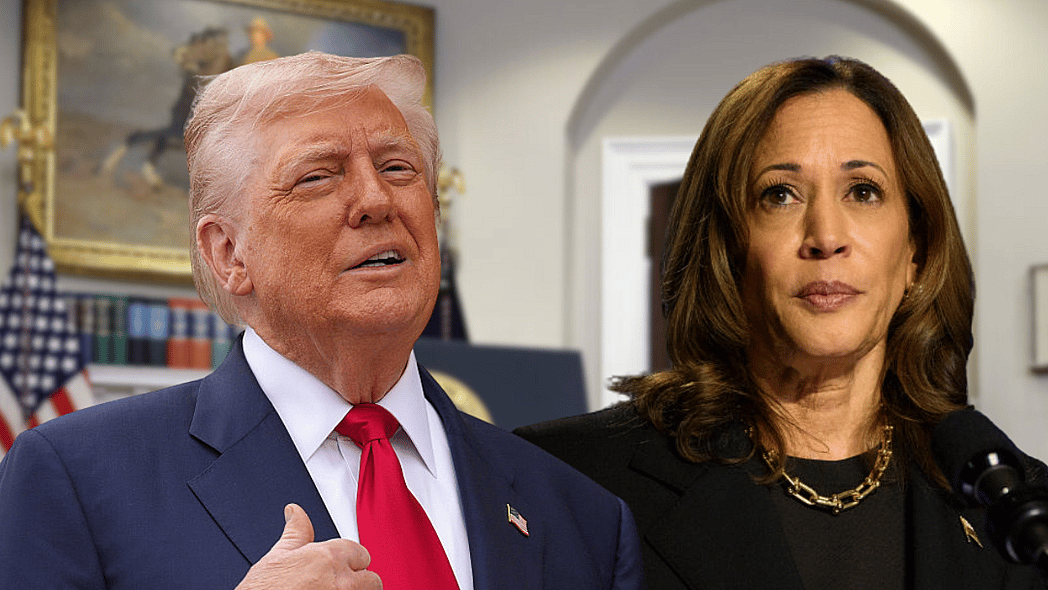
Despite the increase in his support from Black voters, the majority still favored Kamala Harris over Trump. Furthermore, Black unemployment rates have alarmingly risen under Trump’s second term, currently standing at 7.5%, nearly double the national average and the highest rate since the COVID-19 pandemic began. This data contradicts his claims of an economic resurgence benefiting all Americans.
The Center on American Progress has released reports indicating that Trump’s economic policies, such as global tariffs and anti-immigration measures, disproportionately harm Black Americans and their businesses. As the economic landscape evolves, the widening disparities call into question the effectiveness of Trump’s agenda.
Moreover, Trump’s initiatives against diversity, equity, and inclusion (DEI) have led to job losses and jeopardized social mobility for many Black Americans. Critics argue that these policies exacerbate existing inequalities, further marginalizing communities already facing systemic challenges.
Democratic strategist Antjuan Seawright offers a sobering assessment of Trump’s presidency in light of these factors, describing a “failure” in economic terms and pointing to the emergence of a “lame duck presidency.” His remarks suggest fractures within Trump’s support base as some align themselves against the rhetoric and policies that have characterized recent years.