


Homecoming season at historically Black colleges and universities (HBCUs) is a cherished tradition, rooted in celebration, community, and cultural pride. As exciting as it typically is, this year (2025) promises to stir the pot even more with the arrival of Blexit’s “Educate to Liberate” tour. Founded by Candace Owens and former police officer Brandon Tatum, and currently backed by Turning Point USA, this initiative is set to make its mark across several HBCU campuses throughout the month of October.
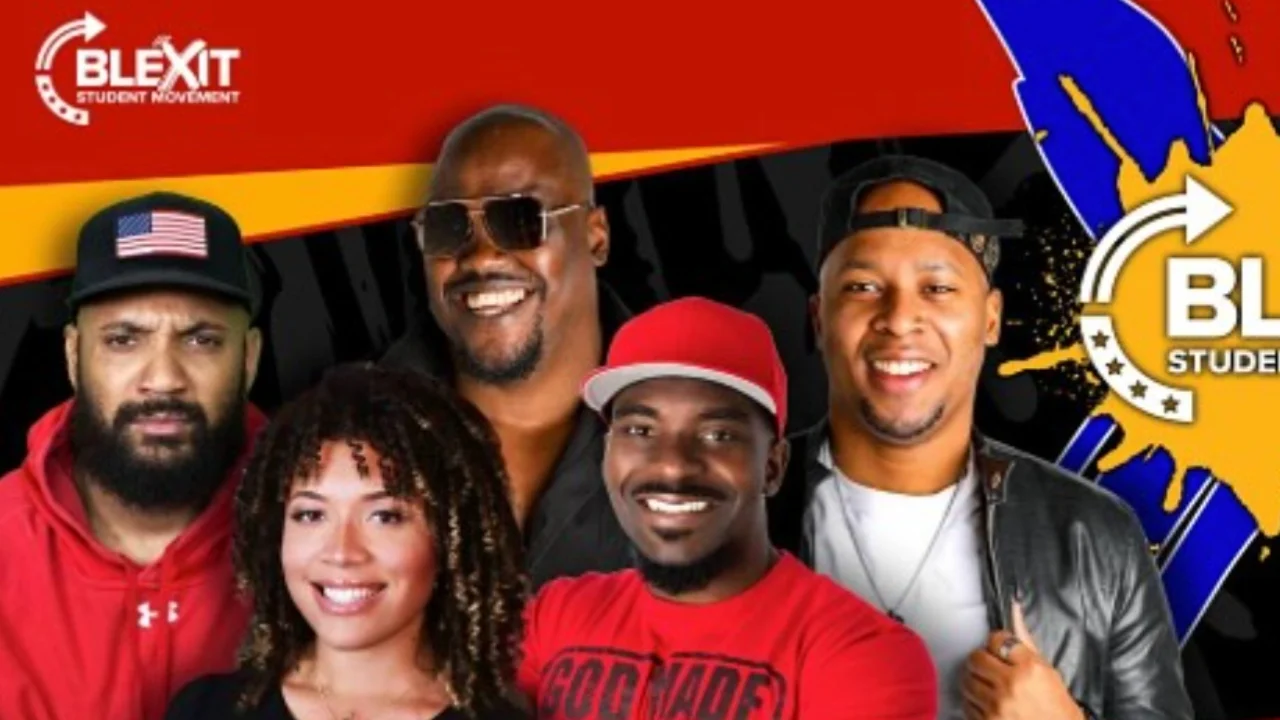
The aim of the tour is clear: to introduce conservative values to predominantly Black spaces, spark critical discussions and foster “powerful conversations” on issues ranging from personal responsibility to empowerment. Blexit figures, including Stephen Davis, Anthony Watson, Topher, Savannah Craven, and Craig Long, will lead these discussions, pushing a narrative that challenges what they describe as the “status quo.” The tour’s presence during homecoming celebrations at these institutions adds a layer of complexity to an already vibrant time.
Which HBCUs are on Blexit’s itinerary this October? Their schedule includes stops at:
- Alabama State University: October 3
- Jackson State University: October 10
- Tennessee State University: October 17
- Florida A&M University: October 17
- North Carolina Central University: October 23
- Howard University: October 24
- Hampton University: October 24
- Bowie State University: October 31
- Lincoln University: October 31
An earlier event took place on September 25 near Johnson C. Smith University, though details are scarce, raising questions about attendee turnout and engagement.
Despite the ambitious vision laid out by Blexit, there are significant uncertainties surrounding their events. For instance, the tour’s website offers minimal information about the speakers tied to each specific university or whether the events will take place on campus or at nearby venues. This lack of transparency extends to ticket purchasing, which routes individuals to a contact form rather than straightforward ticket sales.
The introduction of Blexit voices into HBCU homecoming festivities has not been well-received by everyone. Prominent community activist Feminista Jones articulated a common sentiment, suggesting that rather than mobilizing efforts to counterprotest, attendees should simply ignore the events. Her advice encapsulates a broader community ethos during homecoming: to maintain the celebratory atmosphere untainted by divisive rhetoric. The reaction across social media has echoed this resistance, with comments expressing concern over the presence of conservative organizations during such a culturally significant time.
The criticism also highlights the broader perception of Blexit, given its affiliations with Turning Point USA and the controversial reputation of its founders. Many argue that it feels disingenuous for a group promoting conservative ideals to enter spaces traditionally associated with cultural solidarity. A tweet from a concerned user on X aptly captured the sentiment, describing Blexit’s plan as “lame and corny,” emphasizing the clashing values on display during what should be a time of unity.
While political diversity within Black America is significant, HBCU homecoming tends to be a unifying occasion. There exists an unspoken understanding among alumni and students alike: this is a time to celebrate shared culture, history, and community—qualities that some feel are at odds with the Blexit mission. As the events approach, many will be watching how both the tour and the campuses respond to this unique intersection of politics and tradition.
The capacity for dialogue is essential in any community; however, just as Tennessee State University showed in a recent episode with external provocateurs, the right to have conversations must be balanced with the right to foster and protect community spaces. The sentiment among many HBCU attendees is an affirmation of Black solidarity, wrapped in the understanding that while all voices have a place, the context and timing matter deeply.
As the 2025 homecoming season unfolds, it remains crucial for attendees to navigate these events with a clear recognition of the cultural significance of the occasion. The juxtaposition of Blexit’s agenda against the backdrop of HBCU celebrations will undoubtedly prompt conversations—both planned and unplanned—about the future of discourse within these spaces.